
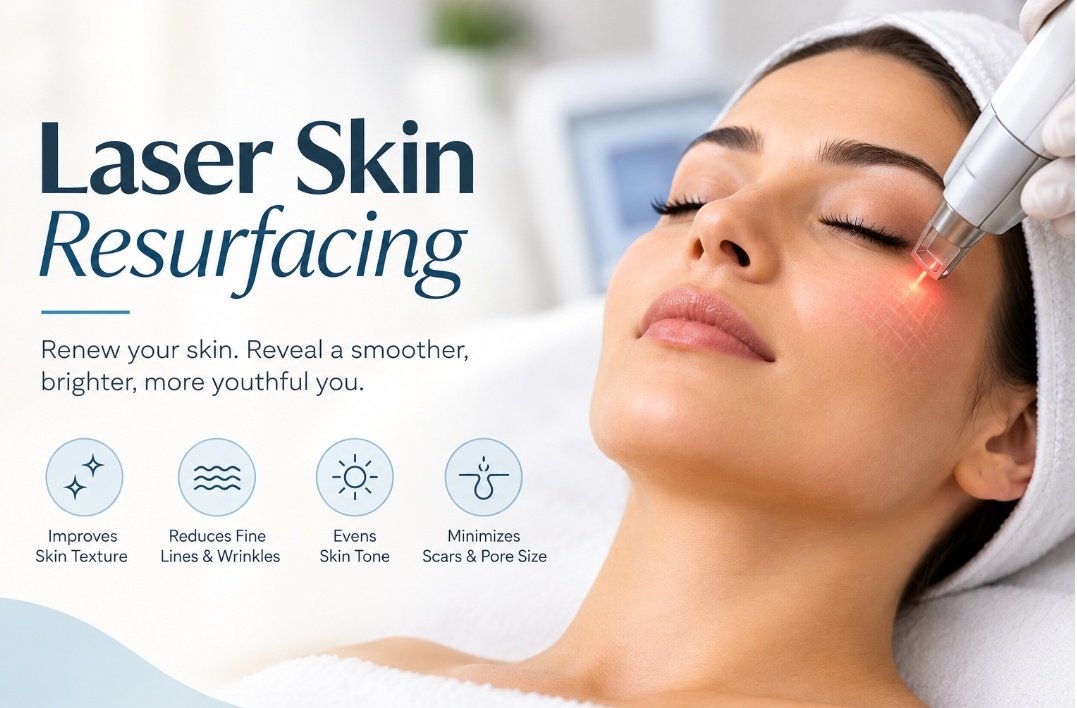
Redness, tightness, a warm sun-touched sensation on the skin. These are ordinary in the hours following a laser session. What follows in the days after, however, is what truly determines whether the results endure or fade within weeks. Laser treatment aftercare is not a minor detail to attend to once the appointment ends. It carries as much weight as the treatment itself.
The American Academy of Dermatology has observed that skin treated with lasers can darken if exposed to the sun before it has fully healed, which is precisely why dermatologists are exacting about recovery habits (source). Whether the aim is refined texture through laser skin resurfacing, a more even complexion, or simply wanting to get the best version of oneself, what unfolds after the session matters just as much as the session itself.
Mastering Laser Treatment Aftercare for Optimal Results
The skin has considerable work to do after a session. It is rebuilding, producing new collagen, and finding its way back to balance, and it deserves the right support while doing so. A handful of considered habits during this window can be the difference between skin that heals evenly and skin left uneven, sensitive, or slow to recover. What follows is what genuinely matters in those first weeks.
1. Sun Protection, Without Exception
The skin is at its most delicate in the first two weeks. Undue sun exposure during this stretch can lead to dark patches, persistent redness, or an uneven tone, quietly undoing the precision the treatment achieved. A broad-spectrum, mineral-based sunscreen worn daily, paired with shade and covered clothing where possible, is not negotiable. Given how unforgiving the sun can be in this region, anyone considering a face laser treatment in Dubai would do well to treat this step as essential rather than optional. Of everything on this list, this single habit does the most to determine how results hold up months later.
2. Let Post-Laser Care Stay Simple
Post-laser care is most effective when it is restrained. Introducing actives, fragrance, or exfoliants too soon after a session tends to aggravate skin that is still healing. A gentle cleanser and a fragrance-free moisturizer are usually sufficient for the first several days, giving the skin’s barrier room to repair itself undisturbed. Layering on too many products at once, however well-intentioned, tends to slow recovery rather than support it.
A brief guide for the early days:
- Cleanse with lukewarm water, never hot
- Set aside retinoids and acids for now
- Moisturize morning and evening with something unfussy
- Apply sunscreen daily, even indoors near a window
3. Set Aside Heat, Perspiration, and Friction
Hot showers, saunas, steam rooms, and vigorous exercise are best postponed until the skin has settled, typically for several days. Heat draws additional blood flow to the treated area, which can heighten swelling and prolong redness. Perspiration can irritate healing skin and raise the likelihood of minor infection, while tight or coarse fabric introduces friction the skin does not need. A few quieter days is a modest concession for a smoother, more assured recovery.
4. Leave the Flaking Skin Undisturbed
A certain amount of flaking is a natural process as the skin is shedding damaged, surface cells while regenerating underneath. Picking at it, however tempting, can cause scarring or pigment shifts that take much longer to heal than the original issue. It should be allowed to slough off by itself.
5. Prioritizing Internal and External Hydration
Well-hydrated skin heals with greater ease. Sufficient water intake, together with hyaluronic acid serums or ceramide-rich moisturizers, helps the skin retain moisture while it undertakes the work of repair. This matters even more for those who have undergone laser skin resurfacing, given that deeper resurfacing removes more of the surface layer than a lighter treatment would. Skin that remains properly hydrated tends to show less visible redness, and its natural tone returns sooner.
6. Following a Personalized Skincare Strategy
No two people heal in quite the same manner, so a uniform routine rarely serves well. Skincare after laser ought to be built around the individual, their skin type, the device used, and the depth of the session. A dermatologist or aesthetic specialist can shape a laser treatment aftercare plan and advise on when retinoids or vitamin C may be reintroduced.
7. Stay Attentive Well Past the First Week
Laser treatment aftercare does not end after seven days. Sound laser recovery tips in the subsequent weeks, continued sun protection, and a gradual re-introduction to a full skincare routine are what ultimately lock in the results. Routine follow-up visits let a specialist closely monitor healing, intervene early if needed, and fine-tune the plan so the skin settles evenly. It is this extended process, this thought-out approach, that separates treatments that merely fade within a month from ones that really last.
Enhancing Longevity Through Dedicated Skincare After Laser
Sound aftercare is less a checklist to complete once than a discipline to maintain, patience across several weeks, consistency with the fundamentals, and knowing when to let the skin be simply. Sun protection, restrained products, and proper guidance work in concert toward the same end: skin that heals well and appears naturally refreshed, whatever the technology behind the treatment. In the UAE, where the sun offers little respite, this degree of care matters all the more, and it is part of why so many considering a laser treatment in Dubai turn to Aesthetic Polyclinic.
They pair precise, medically grounded treatment with an approach shaped around the individual. With locations across Dubai, Abu Dhabi, and Al Ain, they bring together advanced technology and a tailored approach to help the skin heal properly and present its best.
For anyone considering where to begin, a proper assessment with a qualified specialist remains the most sensible first step.
Frequently Asked Questions
1. How long does laser treatment aftercare require strict sun protection?
Most specialists advise maintaining strict sun protection for several weeks. Freshly treated skin reacts to UV light far more readily, and can pigment or scar with little warning otherwise.
2. Can makeup be applied soon after a laser session?
It is preferable to wait until any redness or peeling has settled, typically a few days, before reintroducing makeup. Healing skin has little need for the additional irritation products or applicators that can bring.
3. Which ingredients should be avoided immediately after treatment?
Retinoids, acids, and fragranced formulas are best set aside for the time being as part of sound post-laser care, since they can slow healing and heighten sensitivity.
4. Does diet genuinely affect how skin heals afterward?
It can, indeed. Adequate hydration and antioxidant-rich foods support the skin’s own repair process, complementing the topical laser recovery tips already being observed at home.
5. When can a full skincare routine after laser resume?
Generally within one to two weeks, though this depends considerably on how deep the treatment went and how the skin has responded thus far.