
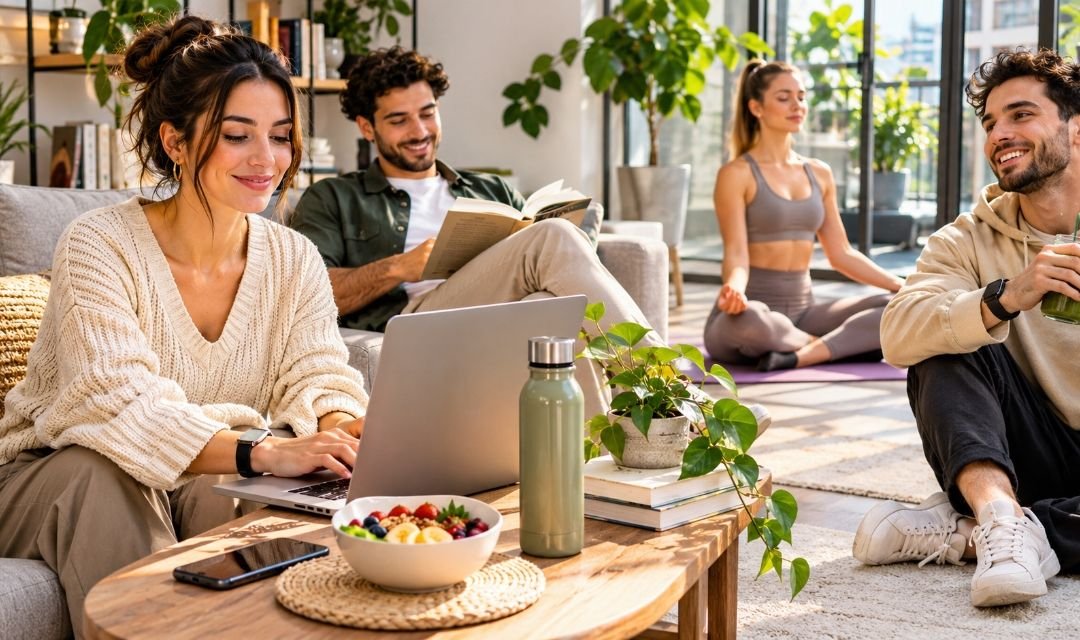
Modern lifestyle trends are changing how people live, work, shop, and spend their free time. In 2026, modern living is about much more than buying expensive products or following popular fashion. People are becoming interested in healthier routines, comfortable homes, smart technology, sustainable shopping, and finding a better balance between work and personal life.
Life today moves quickly. Smartphones, social media, online shopping, and digital services have made everyday tasks easier. However, they have also encouraged people to think more carefully about how they spend their time and energy.
Many individuals now prefer simple routines, meaningful experiences, and products that make everyday life more comfortable. From healthy eating to minimalist fashion, modern lifestyle choices reflect changing personal priorities.
This article explores 15 modern lifestyle trends in 2026 and explains how these ideas can influence everyday habits.
What Are Modern Lifestyle Trends?
Modern lifestyle trends are popular habits, preferences, and activities that influence how people live.
They can involve fashion, food, technology, home decoration, health, travel, personal development, and social relationships.
Some trends develop because of new technology. Others appear when people begin looking for practical ways to improve their everyday lives.
For example, remote working has encouraged many people to create comfortable home offices. Interest in personal wellbeing has also inspired healthier eating habits, regular exercise, and relaxation routines.
However, following every popular trend is not necessary.
A modern lifestyle should reflect your personal needs, available resources, and long-term goals.
1. Healthy Living and Personal Wellness
Healthy living remains one of the most important lifestyle trends in 2026.
People are increasingly interested in habits that support their physical and emotional wellbeing.
Instead of focusing only on appearance, many individuals are thinking about their energy levels, daily movement, sleep quality, and general health.
Regular walking, balanced meals, and consistent sleeping schedules are simple examples.
Some people also enjoy yoga, swimming, cycling, and outdoor activities.
The growing interest in personal wellness has encouraged consumers to explore different products and services. However, expensive wellness products are not always necessary.
Simple habits often provide a useful starting point.
Drinking water regularly, getting adequate rest, and making time for physical activity can become part of almost any lifestyle.
The goal is to develop healthy routines that are realistic and sustainable.
2. Minimalist Living and Simple Homes
Minimalism continues to influence modern lifestyle choices.
The basic idea behind minimalist living is to focus on useful belongings and reduce unnecessary clutter.
In home decoration, this approach often includes simple furniture, comfortable spaces, practical storage, and neutral colors.
A minimalist bedroom might contain a comfortable bed, a small bedside table, suitable lighting, and a few decorative items.
However, minimalism is not only about interior design.
It can also change shopping habits and daily schedules.
Some people prefer buying fewer clothing items and choosing products that last longer.
Others reduce unnecessary commitments to create more time for family, hobbies, and relaxation.
Minimalism does not mean living without enjoyable belongings.
It encourages thoughtful decisions about what adds genuine value to everyday life.
3. Digital Wellness and Reduced Screen Time
Technology plays an important role in modern life.
People use smartphones and computers for communication, education, entertainment, shopping, and professional responsibilities.
Although these tools provide convenience, excessive screen time can sometimes interfere with rest and personal activities.
Digital wellness focuses on creating healthier technology habits.
For example, some individuals avoid checking their phones immediately after waking up.
Others turn off unnecessary notifications or create screen-free periods during meals.
Reading books, gardening, walking outdoors, and enjoying conversations are alternatives to spending free time online.
Another useful habit is keeping digital devices away from the bed when possible.
This can help people avoid unnecessary scrolling late at night.
Digital wellness does not require avoiding technology completely.
The aim is to use it intentionally without allowing it to dominate everyday life.
4. Sustainable Fashion and Smart Shopping
Fashion is an important way for people to express their personalities.
However, modern consumers are also becoming more interested in clothing quality, durability, and environmental impact.
Sustainable fashion encourages thoughtful buying decisions and reducing unnecessary clothing waste.
One popular approach involves creating a capsule wardrobe.
This means selecting a smaller collection of versatile clothing items that work well together.
For example, neutral shirts, comfortable jeans, practical jackets, and simple shoes can create several different outfits.
Secondhand shopping and clothing resale are also alternatives to purchasing new products.
Repairing clothing and taking proper care of fabrics may extend their useful life.
Sustainable fashion does not require purchasing expensive designer collections.
Choosing comfortable, durable clothing that matches your needs is a practical starting point.
5. Smart Homes and Modern Technology
Smart home technology is becoming part of everyday household life.
Connected devices can help automate certain tasks and improve convenience.
Examples include smart lighting, programmable thermostats, connected security cameras, and automated cleaning devices.
Smart lights can be scheduled to turn on or off at selected times.
A programmable thermostat may help manage indoor temperatures according to household routines.
Some people also use smart speakers to manage reminders, play audio, or control compatible appliances.
However, purchasing every new smart device is unnecessary.
Consumers should consider security, privacy, installation costs, and long-term usefulness before making decisions.
A smart home should solve practical problems rather than simply contain expensive technology.
6. Flexible Working and Work-Life Balance
Modern working arrangements have changed how many professionals organize their days.
Remote and hybrid work can offer flexibility to employees whose responsibilities can be completed outside traditional office settings.
Working from home may reduce commuting time and create opportunities for better daily planning.
However, it can also make separating work from personal life more difficult.
Some professionals find themselves checking emails late at night or working without sufficient breaks.
Creating boundaries is therefore important.
A dedicated workspace, regular working hours, and planned breaks can support a healthier routine.
People may also benefit from scheduling exercise, meals, and personal activities outside working hours.
Flexible working is most useful when productivity and personal wellbeing receive appropriate attention.
7. Plant-Based Eating and Balanced Nutrition
Plant-based foods continue to attract interest in modern lifestyle discussions.
Many people are exploring meals that contain more vegetables, fruits, beans, lentils, nuts, seeds, and whole grains.
This does not necessarily mean following a completely vegetarian or vegan diet.
Some individuals simply want to add more variety to their daily meals.
For example, vegetable soups, bean salads, lentil dishes, and grain bowls can be easy additions.
Meal preparation is another related habit.
Preparing ingredients in advance can make home cooking easier during busy weeks.
Reading food labels can also help consumers understand ingredients and nutritional information.
However, healthy eating should not depend on following every popular diet.
A balanced approach that considers individual nutritional needs is generally more practical.
8. Personal Care and Natural Beauty Trends
Personal care has become an important part of everyday lifestyle routines.
Many people are looking for simple skincare, haircare, and grooming habits that fit their schedules.
Instead of using large numbers of products, some consumers prefer straightforward routines.
A basic skincare routine might include gentle cleansing, moisturizing, and appropriate sun protection.
There is also interest in botanical ingredients and plant-derived personal care products.
Hemp seed oil, aloe vera, and various botanical extracts are examples of ingredients found in beauty discussions.
However, natural products are not automatically safer or more effective.
People should consider their skin type, read ingredient labels, and evaluate product claims carefully.
The best personal care routine is one that suits individual needs without creating unnecessary expense.
9. Comfortable and Functional Interior Design
Modern homes are increasingly designed around comfort and everyday usefulness.
Many homeowners prefer furniture and layouts that support practical activities.
Natural lighting, comfortable seating, indoor plants, and organized storage are common design features.
Warm colors and soft fabrics can create a welcoming atmosphere.
Small living spaces may benefit from multifunctional furniture.
For example, a storage bed or folding desk can help make better use of limited space.
People working remotely may also create dedicated home-office corners.
A comfortable home does not need to follow every design trend.
The most important consideration is whether the space supports daily responsibilities and relaxation.
10. Flexible Fitness and Home Workouts
Fitness is no longer limited to traditional gyms.
Many individuals enjoy exercising at home, walking outdoors, cycling, swimming, or participating in community activities.
Home workouts can be especially useful for people with demanding schedules.
Simple activities such as stretching, bodyweight exercises, or following an appropriate beginner fitness routine require little equipment.
Walking during lunch breaks or taking stairs can also increase daily movement.
Fitness watches and mobile applications may help people monitor activity and establish realistic goals.
However, tracking devices are optional.
The most important part of physical fitness is developing habits that can be maintained consistently.
Exercise plans should also include suitable recovery time and match individual abilities.
11. Experience-Based Living and Meaningful Travel
Modern lifestyles are not only focused on buying physical products.
Many people also value experiences such as traveling, attending concerts, learning new skills, and exploring local attractions.
Experiences can provide enjoyment and opportunities to connect with others.
For example, a weekend trip may create memories that last longer than the excitement of purchasing an unnecessary item.
However, meaningful activities do not always require expensive travel.
Visiting nearby parks, museums, cultural events, or local markets can also be enjoyable.
Cooking classes, outdoor adventures, and creative workshops offer opportunities to learn something new.
Experience-based living encourages people to spend time on activities that match their interests.
12. Budget-Friendly and Financially Aware Living
Financial awareness has become an important lifestyle consideration.
Many households are looking for practical ways to manage expenses while maintaining a comfortable standard of living.
This may include comparing prices, reviewing subscriptions, cooking at home, and avoiding unnecessary purchases.
Some people follow a monthly budget to understand where their money goes.
Others prefer purchasing durable products instead of frequently replacing inexpensive items.
Secondhand shopping and repairing household belongings may also help reduce expenses.
Financial awareness does not mean avoiding every enjoyable purchase.
It involves making thoughtful decisions based on personal priorities and available resources.
A comfortable lifestyle should be financially manageable rather than dependent on constant spending.
13. Mindful Living and Relaxation
Busy schedules and constant communication can make everyday life feel rushed.
Mindful living encourages people to pay attention to daily experiences and create time for relaxation.
This might involve enjoying a quiet breakfast, practicing gentle breathing, or spending a few minutes outdoors.
Some people enjoy meditation, journaling, or listening to relaxing music.
Others prefer reading or spending time with family members.
The important thing is finding activities that genuinely support comfort and relaxation.
Mindful living does not require a complicated routine.
Even short periods without unnecessary distractions can help create a calmer daily environment.
People experiencing ongoing or overwhelming stress should seek suitable professional support when needed.
14. Personal Style and Individual Expression
Personal expression is becoming an important part of modern fashion and lifestyle choices.
Instead of copying every popular trend, many individuals prefer developing styles that reflect their personalities.
Some enjoy minimalist clothing, while others prefer colorful outfits, vintage fashion, or bold accessories.
Personal expression can also influence home decoration, hobbies, and daily routines.
Social media offers inspiration, but it can also encourage unrealistic comparisons.
A useful approach is to explore different ideas and choose what feels comfortable.
For example, someone may enjoy modern streetwear while another person prefers classic formal clothing.
Neither approach is automatically better.
Personal style should reflect individual preferences, practical needs, and confidence rather than pressure to follow trends.
15. Stronger Social Connections and Community Activities
Despite widespread digital communication, personal relationships remain important.
Many people want to create more opportunities for meaningful face-to-face interaction.
Shared meals, walking groups, community events, and hobby clubs can help people connect.
Some individuals prefer smaller gatherings where conversations feel more personal.
Others participate in volunteering or local activities.
Maintaining friendships can provide emotional support and a sense of belonging.
However, social connection does not require a large circle of friends.
A few supportive relationships can be meaningful.
Making time for people you care about is an important part of a balanced modern lifestyle.
Quick Overview of Modern Lifestyle Trends
| Trend | Main Focus |
|---|---|
| Healthy living | Everyday physical and mental wellbeing |
| Minimalist lifestyle | Simplicity and reduced clutter |
| Digital wellness | Healthier technology habits |
| Sustainable fashion | Thoughtful clothing choices |
| Smart homes | Convenience and useful technology |
| Flexible working | Professional and personal balance |
| Plant-based eating | Nutritious and varied meals |
| Personal care | Simple grooming and skincare routines |
| Functional interiors | Comfortable living spaces |
| Flexible fitness | Accessible physical activity |
| Experience-based living | Travel and meaningful activities |
| Financial awareness | Thoughtful spending habits |
| Mindful living | Relaxation and intentional routines |
| Personal expression | Individual fashion and lifestyle choices |
| Social connections | Meaningful relationships and community |
How to Follow Modern Lifestyle Trends on a Budget
Following modern lifestyle trends does not mean purchasing expensive products.
Many positive changes begin with simple habits.
For example, you can improve your daily routine by walking regularly, preparing meals at home, and maintaining a consistent sleeping schedule.
You can refresh your wardrobe by combining existing clothing items in different ways.
Home decoration can begin with organizing furniture, removing clutter, and improving lighting.
Digital wellness may involve reducing unnecessary notifications rather than purchasing specialized devices.
You can also enjoy affordable experiences such as visiting local attractions or spending time outdoors.
Before spending money on a new trend, ask whether it will genuinely improve your everyday life.
This helps make lifestyle changes more practical and sustainable.
Common Mistakes When Following Lifestyle Trends
One common mistake is believing that every popular trend is suitable for everyone.
Social media often presents carefully selected images of expensive homes, perfect routines, and fashionable clothing.
These examples may not reflect normal everyday life.
Another mistake is trying to change too many habits simultaneously.
Starting a new exercise program, diet, morning routine, and wardrobe makeover at the same time can become overwhelming.
Some individuals also spend money on products simply because influencers recommend them.
It is important to evaluate products independently and avoid relying on unsupported promises.
A better approach is to choose one or two changes that offer practical value.
Remember that a healthy lifestyle should reduce unnecessary pressure, not create more.
How to Choose the Right Lifestyle Trends
The best lifestyle trends depend on your interests, responsibilities, and financial circumstances.
Start by identifying areas where you want to make improvements.
For example, someone working long hours may benefit from better sleep habits and time management.
A fashion enthusiast might enjoy exploring capsule wardrobes or sustainable clothing.
Someone living in a small apartment may find functional interior design more useful.
Once you identify a suitable trend, begin with a manageable change.
Try the new habit and consider whether it fits your routine.
If it does not work, adjust your approach.
Your lifestyle should support your needs rather than follow a fixed set of social expectations.
Frequently Asked Questions
What are modern lifestyle trends?
Modern lifestyle trends are popular changes in everyday habits involving health, fashion, technology, home design, work, travel, and personal wellbeing.
What are the biggest lifestyle trends in 2026?
Important trends include healthy living, minimalist homes, digital wellness, sustainable fashion, smart technology, flexible working, mindful spending, and experience-based activities.
Why are people interested in minimalist living?
Minimalist living encourages simplicity, practical organization, and more thoughtful purchasing decisions. Some people find it useful for reducing clutter and simplifying daily routines.
How can I improve my modern lifestyle?
Begin with realistic habits such as regular physical activity, nutritious meals, adequate sleep, organized spaces, and healthier technology use.
Are modern lifestyle trends expensive?
Not necessarily. Many trends involve affordable changes, including walking, cooking at home, organizing belongings, and spending quality time with friends.
How does technology influence modern lifestyles?
Technology supports communication, remote work, entertainment, online shopping, and household convenience. However, balanced use is important.
Will lifestyle trends continue changing?
Yes. Lifestyle preferences will continue evolving as consumer needs, technology, cultural influences, and economic conditions change.
Final Thoughts
Modern lifestyle trends in 2026 show how everyday priorities are evolving.
People are becoming more interested in personal wellbeing, meaningful experiences, comfortable homes, useful technology, and thoughtful spending.
From sustainable fashion and digital wellness to flexible fitness and simple living, these trends offer different ways to improve daily routines.
However, a modern lifestyle does not require following every popular idea.
The most valuable changes are those that suit your needs, fit your budget, and make everyday life more enjoyable.
By choosing practical habits and focusing on long-term wellbeing, you can develop a comfortable and balanced lifestyle that reflects your personal goals.