
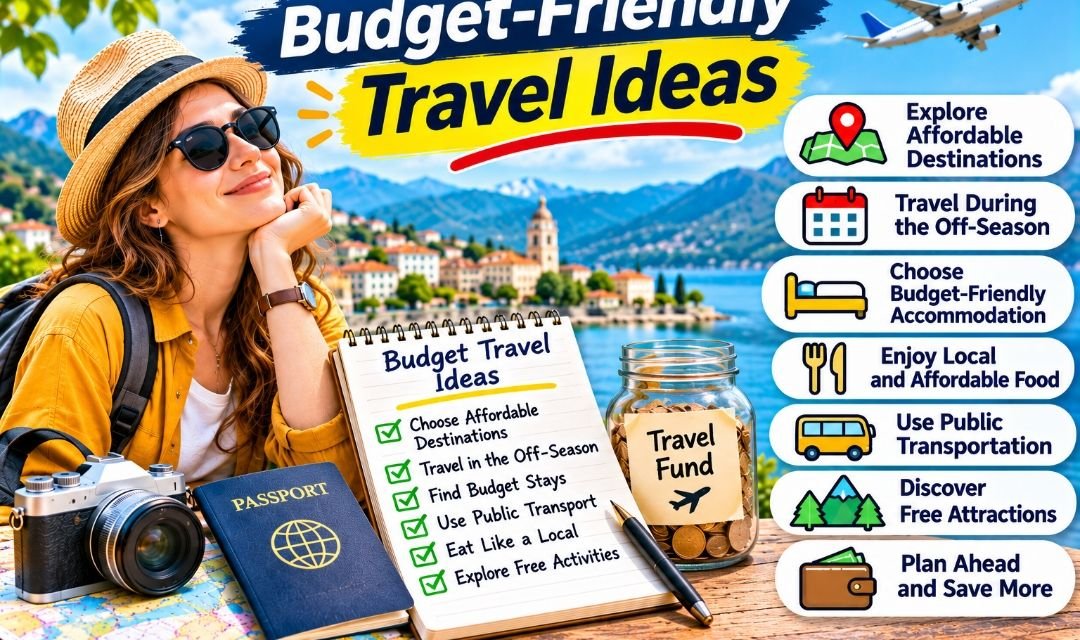
Budget-friendly travel ideas can help you discover beautiful places, enjoy new experiences, and create unforgettable memories without spending too much money. Many people believe traveling requires expensive flights, luxury hotels, and a large vacation budget. However, a memorable journey does not always have to cost a fortune.
The secret to affordable travel is making smart choices before and during your trip. Choosing an inexpensive destination, traveling during quieter seasons, finding comfortable budget accommodation, and exploring free attractions can make a big difference.
Whether you are planning a weekend getaway, a family vacation, or your first international adventure, these simple ideas can help you save money while enjoying your journey. In this guide, you will discover 20 practical ways to make traveling more affordable, comfortable, and enjoyable.
Quick Overview of Budget-Friendly Travel Ideas
| Travel category | Money-saving idea |
|---|---|
| Destination | Choose affordable cities and nearby places |
| Travel dates | Visit during quieter travel seasons |
| Flights | Compare prices and remain flexible |
| Accommodation | Consider hostels, guesthouses, and budget hotels |
| Transportation | Use buses, trains, and other public transport |
| Food | Try local restaurants and grocery stores |
| Activities | Explore free parks, beaches, and museums |
| Packing | Travel light to avoid extra baggage fees |
| Budget | Create a daily spending plan |
| Shopping | Avoid unnecessary tourist purchases |
| Technology | Use offline maps and affordable mobile data |
| Planning | Research expenses before departure |
1. Explore Affordable Destinations
One of the easiest budget-friendly travel ideas is choosing a destination that matches your available money.
Some popular tourist cities have expensive accommodation, restaurants, and attractions. However, many less-famous locations offer beautiful scenery, interesting cultural experiences, and comfortable places to stay.
Instead of choosing a destination only because it is famous, compare the total cost of visiting different places.
A destination with slightly higher transportation costs may still be more affordable if hotels, food, and activities are inexpensive.
How to find affordable destinations
Start by comparing accommodation prices.
Research local transportation costs.
Check whether there are free attractions.
Look at typical restaurant and grocery expenses.
Consider nearby towns instead of major tourist centers.
Choose places that match your travel interests.
Remember that an enjoyable vacation is not always about visiting the world’s most expensive destinations.
Sometimes smaller cities and peaceful countryside locations provide the most memorable experiences.
2. Travel During the Off-Season
Traveling during quieter periods is another smart way to reduce vacation expenses.
Popular destinations often experience higher demand during school holidays, major festivals, and peak tourism seasons.
As demand increases, accommodation and transportation prices may rise.
Choosing off-season dates can sometimes help you find better deals.
You may also enjoy fewer crowds at popular attractions.
Benefits of off-season travel
Hotels may offer lower rates.
Popular attractions can be less crowded.
Transportation tickets may be more affordable.
Restaurants and sightseeing locations may feel more relaxed.
However, cheaper travel periods can also involve less favorable weather or limited tourist services.
Research seasonal conditions before booking.
For many destinations, shoulder-season travel offers a useful balance between reasonable prices and enjoyable weather.
3. Plan a Short Weekend Getaway
You do not need a long international vacation to enjoy traveling.
A weekend trip to a nearby city or natural destination can provide an exciting change from everyday life.
Short trips often require less money because you spend fewer nights on accommodation.
Transportation may also be more affordable when your destination is close to home.
Ideas for affordable weekend trips
Visit a nearby historical city.
Explore a beautiful lake or countryside area.
Spend a day at a public beach.
Discover local museums and markets.
Visit a national or public park.
Enjoy a peaceful mountain or nature retreat.
Short trips are also useful for first-time travelers who want to practice planning transportation, accommodation, and activities.
With careful organization, even a two-day getaway can become a memorable adventure.
4. Compare Flight Prices Before Booking
Airfare can represent a large portion of a travel budget.
Comparing flights is an important step when trying to travel affordably.
Check different airlines and travel dates before making a reservation.
Some flights may cost less when departing at less popular times.
However, ticket prices change frequently, and there is no single booking day that always guarantees the lowest fare.
Smart flight booking tips
Compare several departure dates.
Check nearby airports when practical.
Review baggage allowances.
Consider total travel time.
Compare direct and connecting flights.
Read cancellation and change policies.
Always look at the complete price, including additional fees.
A cheaper ticket may become more expensive if you need to pay for checked luggage, airport transfers, or other services.
5. Choose Budget-Friendly Accommodation
Comfortable accommodation does not always require a luxury hotel.
Many destinations offer affordable guesthouses, hostels, budget hotels, and vacation rentals.
The best option depends on your travel preferences and comfort requirements.
For example, a private room in a guesthouse may offer good value.
A hostel can be suitable for travelers who enjoy shared facilities.
Apartments with kitchens may help families or longer-stay travelers reduce meal expenses.
What to check before booking
Location: Choose somewhere convenient for your activities.
Reviews: Read recent feedback about cleanliness and comfort.
Facilities: Check Wi-Fi, bathroom access, heating, or air conditioning.
Total price: Include taxes and additional charges.
Transportation: Consider nearby buses or train stations.
Cancellation policy: Understand the booking conditions.
Choosing accommodation based on overall value can save money without sacrificing essential comfort.
6. Use Public Transportation
Public transportation is one of the most practical budget-friendly travel ideas.
Buses, trains, and metro systems often provide affordable transportation around cities.
Using public transport can reduce the need for expensive taxis or rental vehicles.
Before arriving, research the transportation network at your destination.
Some cities offer daily or weekly travel passes.
Others provide discounted fares for specific passenger groups.
Compare ticket options based on how often you expect to travel.
Why public transportation can be useful
It may cost less than private transportation.
You can avoid certain parking expenses.
Some routes connect major attractions conveniently.
It offers opportunities to experience daily local life.
However, consider safety, operating hours, accessibility, and travel time before choosing a service.
The cheapest transportation option is not always the most convenient.
7. Eat at Local Restaurants
Food is one of the most enjoyable parts of traveling.
However, eating every meal at expensive tourist restaurants can quickly increase your expenses.
Explore suitable local restaurants, cafés, and markets instead.
In many destinations, local dining options offer affordable meals and authentic regional flavors.
Ways to save money on food
Choose restaurants outside the busiest tourist areas.
Check menus before ordering.
Look for affordable lunch specials.
Buy snacks from grocery stores.
Consider accommodation with breakfast included.
Prepare simple meals when kitchen facilities are available.
Always consider food hygiene and personal dietary needs.
Trying local food can help you save money while discovering the culture of your destination.
8. Discover Free Tourist Attractions
Not every travel experience requires an entrance ticket.
Many destinations have beautiful public spaces and interesting attractions that visitors can explore for free.
Public parks, beaches, historic neighborhoods, and scenic walking routes can provide memorable experiences.
Some museums also offer free admission or special discounted periods.
Free or inexpensive activity ideas
Public parks: Enjoy peaceful outdoor spaces.
Beaches: Relax beside the water where public access is available.
Historic streets: Discover architecture and local history.
Markets: Explore regional products and everyday culture.
Walking routes: Visit interesting neighborhoods at your own pace.
Museums: Look for free-entry days or discounted admission.
Research opening hours and access rules before visiting.
Free attractions can make your vacation enjoyable without adding unnecessary costs.
9. Travel With Friends or Family
Traveling with other people can sometimes reduce individual expenses.
For example, sharing accommodation costs may make larger rooms or apartments more affordable.
Some transportation options may also become cheaper when costs are divided between several travelers.
However, group travel requires clear communication.
Discuss everyone’s budget and expectations before booking.
Group travel budgeting tips
Agree on accommodation preferences.
Set a shared spending plan.
Discuss transportation arrangements.
Divide common expenses fairly.
Choose activities that suit the group.
Keep some personal spending money separate.
Planning together can help prevent financial misunderstandings during your vacation.
10. Pack Light and Avoid Baggage Fees
Overpacking can create unnecessary travel expenses.
Some airlines charge extra for checked or overweight luggage.
Heavy bags can also make it harder to move around.
Choose practical clothing that can be combined into different outfits.
Bring comfortable shoes and suitable weather protection.
Avoid packing items you are unlikely to use.
Essential travel packing list
- Passport or identification.
- Comfortable clothing.
- Suitable footwear.
- Phone and charger.
- Personal medication.
- Toiletries.
- Travel documents.
- Reusable water bottle.
- Lightweight day bag.
Check your airline’s baggage rules before departure.
Packing light can help you save money and travel more comfortably.
11. Create a Daily Travel Budget
A daily spending plan helps you understand how much money you can comfortably use during your trip.
Start by calculating major expenses such as transportation and accommodation.
Then estimate how much you will need for meals, local transportation, activities, and shopping.
Example of an affordable five-day vacation
| Expense | Example amount |
|---|---|
| Transportation | $150 |
| Accommodation | $175 |
| Food | $100 |
| Local transportation | $35 |
| Activities | $40 |
| Emergency reserve | $50 |
| Total | $550 |
These figures are illustrative and will vary by destination, season, and personal preferences.
For this example, the total budget averages $110 per day across five days. Actual daily spending will be lower when prepaid costs and emergency funds are excluded.
Keeping an emergency reserve separate is a useful financial habit.
12. Consider Slow Travel
Slow travel means spending more time in fewer destinations rather than rushing between many cities.
This approach can sometimes reduce transportation expenses.
Instead of visiting four cities in a short period, consider exploring one or two places more deeply.
You may spend less money on transfers and have more time to discover local attractions.
Longer accommodation stays sometimes qualify for discounts.
You can also become familiar with affordable restaurants and transportation options.
Benefits of slow travel
Fewer transportation transfers.
More time to explore local culture.
A less exhausting schedule.
Potential accommodation savings.
Greater opportunities to discover nearby attractions.
Slow travel can be especially enjoyable for people who prefer relaxed vacations.
13. Explore Nature and Outdoor Activities
Nature-based experiences are often excellent budget-friendly travel ideas.
Many outdoor activities require little equipment and may be free or inexpensive.
You could explore scenic walking routes, public gardens, beaches, or nature reserves.
Outdoor activities also provide opportunities to relax away from crowded tourist areas.
Affordable outdoor activities
Take a scenic walk.
Visit public parks.
Explore accessible nature trails.
Enjoy a picnic.
Watch a sunset from a public viewpoint.
Try cycling on suitable routes.
Always check safety conditions, weather forecasts, and any required permits or entrance fees.
Outdoor adventures can provide meaningful experiences without expensive entertainment.
14. Use Travel Discounts and Special Offers Carefully
Discounts can help reduce travel costs when they match your actual plans.
Some transportation providers, attractions, and accommodation businesses offer reduced prices for eligible travelers.
Students, older adults, families, or groups may qualify for certain discounts.
However, not every advertised deal provides good value.
Always compare the final cost.
Check whether discounts require advance booking or special identification.
Discount opportunities to research
Student transportation discounts.
Group accommodation rates.
Museum admission offers.
Public transportation passes.
Off-season hotel promotions.
Attraction combination tickets.
A discount is only useful when it saves money on something you genuinely want or need.
15. Choose Affordable Local Experiences
Expensive guided tours are not the only way to discover a destination.
Local experiences can be enjoyable and inexpensive.
You might visit a traditional market, attend a public cultural event, or explore a historic neighborhood.
Walking through local streets can reveal interesting architecture, shops, and everyday life.
Research community activities and public festivals.
Some events offer free admission, while others charge a small fee.
These experiences can help you understand the culture of your destination without spending heavily.
16. Save Money on Mobile Internet
International mobile roaming can add unexpected expenses to your vacation.
Before departure, check your mobile provider’s roaming charges.
Compare available travel eSIMs and local SIM cards when suitable.
Some accommodation providers offer Wi-Fi, although availability and reliability vary.
Download offline maps before traveling.
Save important booking confirmations and addresses on your phone.
Smart internet-saving tips
Use offline navigation when possible.
Download entertainment before departure.
Check mobile data prices.
Avoid unnecessary background data usage.
Keep essential contact details available offline.
Reducing mobile data expenses can help you stay within your travel budget.
17. Avoid Expensive Tourist Shopping
Buying souvenirs can be enjoyable, but unnecessary purchases may quickly increase your travel expenses.
Set a shopping budget before your trip.
Focus on a few meaningful items instead of purchasing something at every attraction.
Compare prices when appropriate.
Be cautious about unfamiliar sellers offering unusually cheap products.
You should also consider baggage space and transportation restrictions.
A memorable vacation does not depend on how many souvenirs you bring home.
Photographs, experiences, and travel memories can be equally meaningful.
18. Plan Activities Close Together
Transportation costs can increase when attractions are spread across different parts of a city.
Organizing activities by location helps reduce unnecessary travel.
For example, visit nearby museums, markets, and landmarks on the same day.
Use a map to understand distances between attractions.
Walking may be practical for some routes.
In other cases, public transportation may offer better value.
Example of an affordable sightseeing day
| Time | Activity |
|---|---|
| Morning | Breakfast and local sightseeing |
| Late morning | Explore a public park |
| Afternoon | Affordable lunch and museum visit |
| Evening | Walk through a local market |
| Night | Relax at accommodation |
A simple itinerary helps manage time and spending while allowing room for spontaneous experiences.
19. Avoid Common Budget Travel Mistakes
Saving money is useful, but some decisions can create additional costs.
For example, booking the cheapest accommodation without checking its location may lead to expensive daily transportation.
Choosing flights with inconvenient connections may also create unnecessary expenses.
Common mistakes and smarter alternatives
| Travel mistake | Better approach |
|---|---|
| Booking without comparing prices | Research several suitable options |
| Choosing accommodation far from attractions | Consider total transportation costs |
| Overpacking | Bring practical essentials |
| Ignoring hidden fees | Review complete booking prices |
| Eating only in tourist areas | Explore suitable local restaurants |
| Spending without limits | Set a daily budget |
| Planning too many paid activities | Include free attractions |
| Forgetting emergency funds | Keep a separate reserve |
Good budget travel is about overall value rather than choosing the lowest price every time.
20. Focus on Experiences Instead of Luxury
One of the most important budget-friendly travel ideas is remembering why you want to travel.
A vacation does not need luxury hotels, expensive restaurants, or private transportation to become memorable.
Beautiful landscapes, interesting conversations, regional food, and new cultural experiences can create lasting memories.
Instead of comparing your vacation with expensive travel photographs online, focus on activities that genuinely interest you.
Spend time exploring local neighborhoods.
Enjoy peaceful moments in nature.
Learn about different cultures.
Take photographs of meaningful experiences.
Traveling is about discovery, not unnecessary spending.
Budget-Friendly Travel Ideas for Different Travelers
Different travelers have different needs and preferences.
Choosing the right type of vacation can help you control expenses.
| Traveler type | Affordable travel idea |
|---|---|
| Solo traveler | Hostels, walking tours, and public transport |
| Couples | Weekend getaways and guesthouses |
| Families | Apartments with kitchens and free attractions |
| Students | Student discounts and shared accommodation |
| Nature lovers | Parks, hiking routes, and public beaches |
| City explorers | Free museums and neighborhood walks |
| Flexible travelers | Off-season trips and slower itineraries |
The best option depends on your budget, available time, comfort level, and interests.
Frequently Asked Questions About Budget-Friendly Travel Ideas
What are the best budget-friendly travel ideas?
Some of the best ideas include choosing affordable destinations, traveling during quieter seasons, staying in budget accommodation, using public transportation, eating locally, and exploring free attractions.
How can I travel with very little money?
Start with nearby destinations, short trips, affordable transportation, and low-cost activities. Create a realistic budget and avoid spending on unnecessary extras. Always maintain enough funds for essential needs and emergencies.
Is budget travel comfortable?
Yes. Budget travel can be comfortable when you prioritize suitable accommodation, reliable transportation, practical packing, and a balanced itinerary. Saving money does not mean ignoring safety or basic comfort.
What is the cheapest type of vacation?
Costs depend on where you live and where you want to go. Short trips to nearby destinations can be affordable because they may involve lower transportation and accommodation expenses.
How can I save money on accommodation?
Compare guesthouses, hostels, budget hotels, and apartments. Check recent reviews, location, facilities, and additional fees before booking.
Is it cheaper to travel during the off-season?
It can be cheaper because demand for accommodation and some transportation services may be lower. However, prices and weather conditions vary, so research before making reservations.
How can families travel on a budget?
Families can compare apartment accommodation, prepare some meals, use suitable public transportation, and explore free attractions. Sharing costs and planning activities in advance can also help.
What should I avoid when traveling on a budget?
Avoid unnecessary baggage fees, expensive last-minute purchases, unsuitable accommodation, and unrealistic spending plans. Do not sacrifice essential safety or medical preparation simply to reduce costs.
Final Thoughts
Budget-friendly travel ideas prove that exploring new places does not always require a large amount of money. With careful planning, you can discover beautiful destinations, experience different cultures, and create wonderful memories while keeping expenses manageable.
Start by choosing an affordable destination and comparing transportation options. Consider traveling during quieter seasons, finding comfortable budget accommodation, and enjoying local food.
Use public transportation when practical and explore free attractions. Create a daily spending plan and keep emergency money available.
Most importantly, remember that meaningful travel experiences do not depend on luxury.
Sometimes the simplest adventures create the most unforgettable memories.
Travel smart, spend wisely, explore more, and enjoy every journey without breaking your budget.