
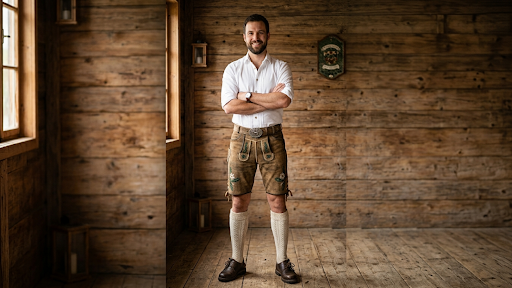
For every lederhosen man planning Oktoberfest attendance, regional Bavarian festivals, or year-round traditional Trachten engagement in 2026, understanding what distinguishes quality authentic construction from costume-grade alternatives represents the foundational decision affecting everything else about your Bavarian heritage experience. The photographs from your festival attendance, comfort during 8-hour-plus event days, response from experienced Bavarian heritage attendees, and long-term value across multiple annual events all depend on whether you selected authentic construction or cheap imitation regardless of the specific price point involved.
The 2026 market offers substantially more variety than previous decades, with quality options accessible across all price tiers from accessible entry-level through premium heritage-grade construction. The key is knowing what to look for so your specific purchase — whether budget-focused first-time festival attendance or significant heritage wardrobe investment — delivers authentic character rather than costume-grade approximation. Understanding what every lederhosen man should know about the category helps ensure appropriate selection for your specific needs.
What Every Lederhosen Man Should Know About Authentic Construction
Genuine men’s lederhosen begins with real leather construction. Traditional Alpine and Bavarian craftsmen developed lederhosen using deerskin (Hirschleder), goatskin (Ziegenleder), and quality cowhide (Rindleder) — each material carrying specific characteristics that centuries of Bavarian craft tradition established. Deerskin provides premium standard with exceptional softness, superior durability, and specific character developing across decades of wear. Goatskin delivers middle-ground quality between premium deerskin and entry-level cowhide. Cowhide serves as entry point to authentic construction at accessible pricing.
The construction techniques matter as much as the leather itself. Quality construction includes proper stitch patterns with waxed thread reinforcing stress points, appropriate lining protecting the leather interior, reinforced waistband supporting long-term wear, quality hardware including brass or antler buttons, sturdy suspender configuration distributing weight appropriately across shoulders, and Charivari mounting point on the front bib accommodating decorative chains adding complete traditional character.
Traditional embroidered decoration across the front bib (Latz) and back panels displays Alpine motifs carrying meaning within Bavarian tradition. Oak leaves symbolize strength and endurance across centuries of Alpine cultural tradition. Edelweiss represents Alpine mountain heritage. Stag horns reference hunting culture that shaped traditional Bavarian rural life. Specific regional crests reflect particular Bavarian area heritage extending across generations of local craft continuity.
Length Options for Different Contexts
Every lederhosen man selects between three length options serving different contexts. Kurze Lederhosen (short lederhosen reaching mid-thigh) represents the summer festival standard worn by the vast majority of Oktoberfest attendees. The kurze length provides classic Bavarian silhouette, comfortable warm-weather wear, and photographs as recognizable Oktoberfest imagery. Most first-time buyers choose kurze based on the standard festival aesthetic.
Kniebund Lederhosen (knee-length reaching just below the knee) provides middle-ground option for cool-weather attendance and buyers preferring more coverage without moving to full-length. Kniebund suits autumn Oktoberfest during cooler weather periods, various regional festivals during cool seasons, and specific traditional contexts calling for more coverage than kurze provides. Kniebund pairs with quality wool knee socks creating classic traditional silhouette.
Lange Lederhosen (ankle-length reaching the foot) serves winter contexts, specific formal traditional occasions, and heritage contexts calling for full-length wear. Lange provides substantial warmth suited to Christmas markets, winter cultural gatherings, formal ceremonial contexts, and Alpine hunting culture events. Contemporary buyers with year-round Bavarian engagement benefit from having multiple length options across their heritage wardrobe rather than defaulting to single kurze pieces for all contexts.
Understanding German Lederhosen Broader Context
Understanding German lederhosen broader tradition helps position individual purchase decisions within centuries-long heritage context. Traditional German lederhosen developed from Alpine work culture across specific Bavarian and Alpine regions, evolving from practical rural workwear into recognized traditional cultural expression through the 19th-century romanticization of Alpine peasant culture by urban Bavarian society.
Regional variations across Bavaria and neighboring Alpine areas each developed distinct traditions. Miesbacher Tracht from southern Upper Bavaria features distinctive dark leather with rich embroidered decoration. Tegernseer Tracht from around the Tegernsee lake carries distinct regional character. Werdenfelser Tracht from the Werdenfels region near the Zugspitze incorporates specific Alpine mountain culture. Berchtesgadener Tracht from Berchtesgaden reflects yet another distinct area heritage. Contemporary retailers offer pieces reflecting these various regional traditions.
Contemporary German lederhosen construction preserves traditional heritage character while making pieces accessible for international heritage engagement. Buyers with documented Bavarian family heritage can select pieces matching specific ancestral regional traditions. Buyers without specific regional connections can select based on aesthetic preferences among various authentic traditions, understanding that each represents genuine heritage worth honoring appropriately.
Price Tiers and Practical Considerations
Realistic 2026 pricing for authentic men’s lederhosen spans distinct quality tiers matching different commitment levels and use cases. Entry-level pieces at $150 to $300 provide genuine leather construction with functional detailing suitable for first-time Oktoberfest attendance. These pieces photograph as authentic Bavarian wear, hold up across multiple wearings, and serve festival-focused buyers well without demanding premium investment.
Mid-range lederhosen at $300 to $550 step up to substantial deerskin or premium goatskin construction with detailed embroidery, quality hardware, and finishing that photographs beautifully across all lighting conditions. Most committed multi-year Oktoberfest attendees find mid-range delivers strong value with construction that improves with wear rather than degrading.
Premium construction at $550 to $900 features full-grain deerskin, hand-finished embroidery, premium hardware in brass or antler, and heritage construction techniques from established Bavarian makers. Heritage premium above $900 uses exceptional materials from named workshops with documented multi-generational craft heritage. Each tier suits specific buyer profiles from festival-focused accessible purchases through committed multi-generational heritage investment.
Complete Ensemble Coordination
The lederhosen man building complete authentic ensemble requires coordinated supporting pieces working together as unified Trachten configuration. Essential coordinating elements include quality Trachtenhemd (traditional shirt) in white cotton or checkered pattern, quality wool knee socks reaching just below the knee for kurze configurations, sturdy leather Haferl shoes designed specifically for Bavarian wear, proper Bavarian hat completing the ensemble, and Charivari decorative chain across the front bib.
Additional accessories complete the finished authentic character. Quality leather belt worn over the lederhosen (not through belt loops as with modern trousers). Traditional pocket accessories including watches on chains, decorative pins accumulated from festivals attended, and specific traditional knives (Fischermesser) worn in appropriate pocket positions. These smaller accessories collectively distinguish complete ensembles from partial approximations.
For couples attending Bavarian events together, coordination between men’s lederhosen and women’s dirndl ensembles matters for the finished visual. Color coordination, formality level matching, and appropriate ensemble development across both partners supports coordinated couple visual impact. Understanding how partner ensembles work together helps ensure appropriate coordinated presentation.
Sizing Strategy for Long-Term Value
Getting sizing right for your first significant lederhosen purchase matters for both immediate experience and long-term value. Careful measurement of waist at your natural waist (higher than modern trousers sit), inseam appropriate to leg proportions, and shoulder measurement for suspender fit provides essential dimensions. Quality retailers provide detailed sizing guides converting between European centimeter measurements and American inch measurements.
Traditional Bavarian lederhosen fits closer to the body than most modern casual pants. The leather designs to conform to the wearer across initial break-in period spanning several wearings. New leather feels somewhat stiff; consistent wear across the first several times softens and shapes the leather to your specific body. This break-in process represents part of what distinguishes quality leather from synthetic imitations that never develop this personalized fit character.
Waist adjustment provided in quality construction accommodates practical realities of festival food and beverage consumption. Order the size fitting comfortably at your normal waist rather than requiring maximum adjustment from initial wear. This provides adjustment room for the practical festival day accommodation while maintaining comfortable fit for daily wear contexts.
Where Quality Lederhosen Belongs
Beyond Munich Oktoberfest itself, quality authentic lederhosen works across substantial calendar of events for the committed lederhosen man. Regional Oktoberfest celebrations in cities including Cincinnati, Frankenmuth, Denver, LaCrosse, Helen, Mount Angel, and dozens of others across the United States and internationally provide multiple annual attendance opportunities. American Oktoberfest attendance has grown substantially, with many events drawing tens of thousands of attendees over multi-day celebrations.
Beyond September-October primary season, authentic Bavarian heritage wear works at Christmas markets (Weihnachtsmärkte), Fasching celebrations, German-American cultural festivals throughout the year, family Bavarian heritage gatherings, weddings incorporating German or Bavarian traditions, beer garden dining at authentic Bavarian restaurants, Alpine hiking events where traditional heritage character suits outdoor recreation, and various themed occasions where quality authentic construction reads as appropriate heritage engagement.
Care for Long-Term Ownership
Quality leather lederhosen last 30 to 50 years or more with proper care, actually improving in appearance across decades of wear as leather develops patina and character new pieces cannot match. Required care includes proper storage on suitable hangers supporting the shoulder area of suspender configuration, professional leather cleaning for deep cleaning between events, spot-cleaning for immediate spills using appropriate leather care products, periodic conditioning every one to two years maintaining suppleness, and avoiding extended sunlight exposure that would fade the leather color.
Traditional Bavarian care approaches include annual conditioning treatment with products designed specifically for lederhosen leather, careful storage during off-season periods, cedar storage protecting wool components (socks, hat) even where leather itself isn’t affected by moths, and periodic professional inspection for premium pieces expected to serve across multiple generations. Multi-generational family use represents part of authentic lederhosen value, with well-cared pieces carrying across successive generations of family wearers.
Frequently Asked Questions
How much should the average lederhosen man spend on first lederhosen? $200 to $400 delivers strong entry-level to mid-range value for committed first-time buyers. Higher spending suits serious multi-year engagement.
What’s the difference between authentic and costume lederhosen? Real leather construction versus synthetic imitation. Authentic photographs as real Bavarian wear and lasts decades; costume-grade fails within one or two wearings and photographs poorly.
Should I get short or knee-length for typical Oktoberfest? Kurze (short) represents the safest first purchase working across warm-weather festival attendance. Kniebund suits cool-weather attendance or preferences for more coverage.
How do I break in new lederhosen? Wear them for shorter periods (2 to 3 hours) before major festivals. Leather softens and shapes to your body across the first several wearings.
What accessories do I actually need? Trachtenhemd shirt, wool socks, Haferl shoes, Bavarian hat, and Charivari chain represent essential coordinating pieces. Additional accessories add character over time.
How long do quality lederhosen last? With proper care, 30 to 50 years or more. Quality leather improves with wear rather than degrading, becoming multi-generational family heritage.
For every lederhosen man building authentic Bavarian heritage wardrobe in 2026, understanding what distinguishes quality German lederhosen construction from costume-grade alternatives ensures your purchase delivers appropriate value for your specific engagement level. Quality authentic leather combined with proper coordinating ensemble pieces, appropriate sizing accommodating both immediate fit and long-term wear, and proper care across ownership creates heritage investments serving multiple annual Bavarian events for decades. Whether attending Munich Oktoberfest, American regional celebrations, or building serious multi-generational family heritage wardrobe, quality authentic lederhosen delivers experiences that costume alternatives cannot match, and understanding what to look for helps you select accordingly for genuine Bavarian cultural engagement.