
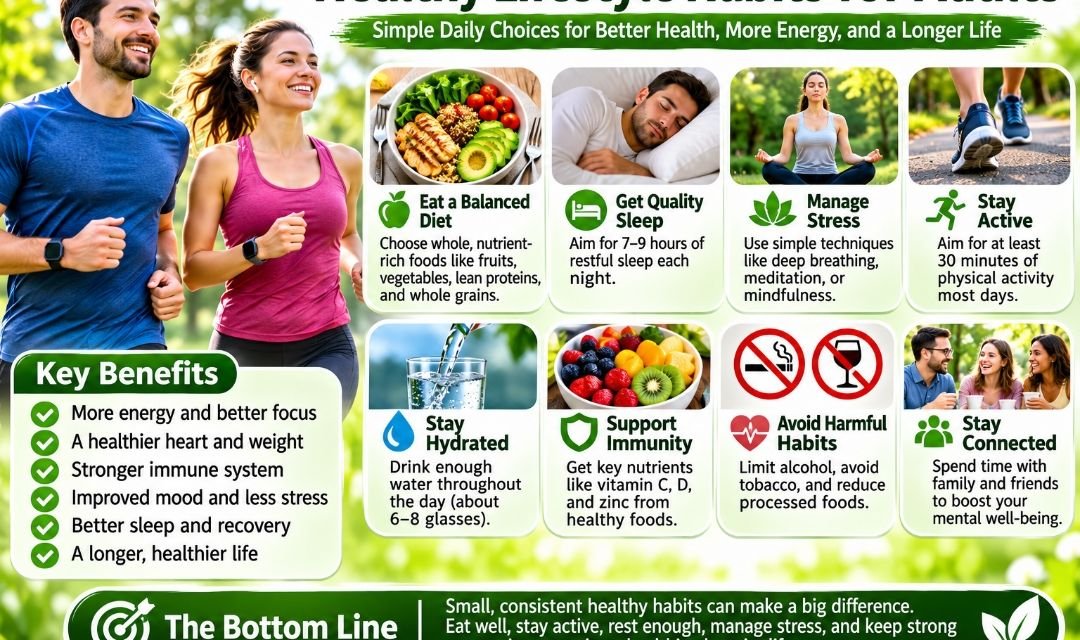
Healthy lifestyle habits for adults are essential for maintaining physical health, emotional well-being, and a better quality of life. Small daily choices, such as eating balanced meals, staying physically active, sleeping enough, and managing stress, can support long-term health. According to the principles of a healthy lifestyle, regular habits play an important role in preventing certain diseases and improving overall well-being. However, healthy living does not require expensive products, extreme diets, or complicated routines. Consistency, balance, and realistic goals are often more useful than trying to change everything at once.
Quick Overview of Healthy Lifestyle Habits for Adults
| Category | Details |
|---|---|
| Main topic | Healthy Lifestyle Habits for Adults |
| Target audience | Adults of different ages |
| Main goal | Improving long-term health and well-being |
| Healthy eating | Vegetables, fruits, whole grains, protein |
| Physical activity | Walking, cycling, swimming, strength training |
| General exercise target | At least 150 minutes of moderate activity weekly |
| Sleep | Usually 7–9 hours for most adults |
| Hydration | Depends on individual needs |
| Mental wellness | Stress management and emotional support |
| Preventive healthcare | Screenings, vaccinations, medical checkups |
| Habits to avoid | Smoking, excessive alcohol, prolonged inactivity |
| Social wellness | Healthy relationships and community |
| Long-term approach | Sustainable daily routines |
Healthy living is not about following a perfect routine.
It is about developing habits that support the body and mind over time.
For example, regular walking can help improve cardiovascular fitness.
Balanced meals provide essential nutrients.
Good sleep supports memory, concentration, and physical recovery.
Stress management and social connection also contribute to well-being.
The following guide explores 20 practical habits adults can develop for a healthier lifestyle.
Why Are Healthy Lifestyle Habits Important?
Daily habits influence many aspects of health.
A balanced lifestyle can help reduce the risk of certain chronic conditions.
These include cardiovascular disease, type 2 diabetes, and some other preventable health problems.
Healthy habits can also support energy levels, mobility, emotional well-being, and everyday functioning.
However, lifestyle choices are not the only factors affecting health.
Genetics, environmental conditions, access to healthcare, and social circumstances also matter.
A healthy lifestyle can reduce risks, but it cannot guarantee that someone will never become ill.
1. Eat a Balanced Diet
NUTRITION
Balanced nutrition is one of the foundations of healthy living.
Adults need a variety of nutrients to support normal body functions.
A healthy eating pattern generally includes vegetables, fruits, whole grains, legumes, nuts, and suitable protein sources.
It can also include dairy products or fortified alternatives, depending on individual preferences.
The goal is to eat a variety of nutritious foods rather than relying on a single food group.
What Should a Balanced Plate Look Like?
A balanced plate can include plenty of vegetables and fruits, whole grains, and protein-rich foods.
However, the exact proportions may differ depending on medical needs and dietary preferences.
2. Stay Physically Active
Regular physical activity supports heart health, muscle strength, and overall fitness.
Adults should aim for a combination of aerobic movement and muscle-strengthening activities.
General guidelines recommend at least 150 minutes of moderate-intensity aerobic activity each week.
Adults can also aim for 75 minutes of vigorous activity or an equivalent combination.
However, some activity is better than none.
People who are currently inactive can begin gradually.
Examples of Physical Activities
-
Brisk walking
-
Cycling
-
Swimming
-
Dancing
-
Gardening
-
Hiking
-
Recreational sports
The best activity is often one that is enjoyable and sustainable.
3. Get Enough Sleep
Sleep is essential for physical and mental health.
It supports memory, concentration, immune function, and recovery.
Most adults need approximately seven to nine hours of sleep each night.
However, sleep needs vary.
Consistent bedtime and wake-up schedules can help maintain healthy sleep patterns.
Healthy Sleep Habits
Try to maintain a regular sleep schedule.
Keep the bedroom comfortable, quiet, and dark.
Avoid large amounts of caffeine close to bedtime.
Reduce stimulating activities late at night.
Persistent sleep difficulties may require medical evaluation.
4. Drink Enough Water
Water is necessary for normal body functions.
It helps regulate body temperature, transport nutrients, and maintain fluid balance.
Hydration needs depend on age, activity, climate, and health conditions.
Some people need more fluids during hot weather or physical activity.
However, drinking excessive amounts of water can also be harmful.
There is no single fixed water intake suitable for every adult.
5. Manage Daily Stress
Stress is a normal part of life.
However, persistent stress can affect sleep, mood, and daily functioning.
Stress management involves developing healthy ways to respond to challenges.
Useful approaches include physical activity, relaxation exercises, time management, and supportive relationships.
People experiencing overwhelming stress may benefit from professional support.
6. Maintain a Healthy Body Weight
Body weight can influence health, but it is only one part of the overall picture.
Health risks depend on several factors, including body composition, medical history, activity level, and metabolic health.
Rather than following extreme diets, adults can focus on balanced nutrition and sustainable physical activity.
Rapid weight-loss programs may be difficult to maintain.
People with weight-related medical concerns can seek individualized guidance from qualified healthcare professionals.
7. Avoid Smoking and Tobacco
Avoiding tobacco is one of the most important lifestyle choices for long-term health.
Smoking increases the risk of several serious diseases.
These include lung cancer, cardiovascular disease, and chronic respiratory conditions.
Stopping smoking can provide health benefits at different ages.
People who need help quitting can explore evidence-based cessation support.
8. Limit or Avoid Alcohol
Alcohol consumption can increase health risks.
These include liver disease, injuries, and certain cancers.
The risk generally increases with greater consumption.
Avoiding alcohol eliminates alcohol-related health risks.
People who choose to drink should understand applicable health guidance and avoid situations where alcohol creates additional dangers.
9. Practice Good Personal Hygiene
Personal hygiene helps reduce exposure to certain infectious agents.
Handwashing is particularly important.
Washing hands with soap and water can help prevent the spread of infections.
Dental hygiene is also essential.
Regular brushing, flossing or interdental cleaning, and dental care support oral health.
10. Take Care of Mental Health
Mental health affects emotional well-being, relationships, and daily functioning.
Adults can support mental health through healthy routines, social connection, and appropriate rest.
However, mental health conditions may require professional treatment.
Persistent sadness, anxiety, or difficulty functioning should not be ignored.
Seeking help is part of responsible healthcare.
11. Build Strong Social Relationships
Supportive relationships can contribute to emotional well-being.
Spending time with family, friends, or community members may provide encouragement and connection.
Healthy communication is important.
However, social needs differ between individuals.
The quality of relationships matters more than maintaining a large social circle.
12. Reduce Long Periods of Sitting
Prolonged sedentary behavior can contribute to health risks.
Adults who work at desks may spend many hours sitting.
Taking regular movement breaks can help reduce uninterrupted sitting time.
Examples include standing briefly, walking around, or stretching.
However, short breaks should complement regular physical activity rather than replace it.
13. Include Strength Training
Muscle strength supports everyday movement, balance, and physical independence.
Strength training can involve weights, resistance bands, or body-weight exercises.
General activity guidelines recommend muscle-strengthening exercises at least two days per week.
Beginners should focus on safe technique and gradual progression.
People with injuries or medical limitations may need modified exercises.
14. Spend Time Outdoors
Outdoor activities can provide opportunities for physical movement and relaxation.
Walking in a park or spending time in a garden may support well-being.
However, outdoor safety matters.
Sun protection, hydration, weather conditions, and air quality should be considered.
Spending time outdoors is beneficial when it is safe and suitable for the individual.
15. Maintain Healthy Screen Habits
Technology is part of modern life.
However, excessive or poorly timed screen use can interfere with sleep and daily activities.
Healthy digital habits may include taking breaks and reducing unnecessary notifications.
Avoiding stimulating screen activities before bedtime may help some people.
The goal is balanced technology use rather than eliminating screens completely.
16. Practice Preventive Healthcare
Preventive healthcare is an essential part of a healthy lifestyle.
It includes vaccinations, recommended screenings, and management of medical risk factors.
Adults may need different screenings depending on age, sex, family history, and medical conditions.
Blood pressure monitoring, cancer screening, and other preventive services can be important.
However, the appropriate schedule should be based on professional guidance.
17. Protect Your Skin
Skin protection is an important health habit.
Excessive ultraviolet radiation exposure can damage skin and increase skin cancer risk.
Protective clothing, shade, and appropriate sunscreen can help reduce exposure.
Skin protection is particularly important during prolonged outdoor activities.
However, individual needs depend on skin characteristics, location, and activity.
18. Practice Mindfulness and Relaxation
Mindfulness involves paying attention to the present moment.
Some people use meditation, breathing exercises, or quiet reflection.
These practices may support stress management.
However, mindfulness is not a substitute for professional treatment of mental health conditions.
People should choose relaxation methods that feel comfortable and safe.
19. Develop a Consistent Daily Routine
Healthy routines make beneficial habits easier to repeat.
For example, preparing meals in advance may support balanced eating.
Scheduling physical activity can make movement more consistent.
A regular bedtime may improve sleep habits.
However, routines should remain flexible.
Unrealistic schedules can create unnecessary pressure.
20. Set Realistic Health Goals
Healthy lifestyle changes are easier to maintain when goals are practical.
Instead of attempting to change every habit immediately, adults can begin with one or two manageable improvements.
For example, someone might add a short daily walk.
Another person may focus on improving sleep consistency.
Progress can be gradual.
The goal is sustainable improvement rather than perfection.
Daily Healthy Lifestyle Routine for Adults
A simple routine can help organize healthy habits.
| Time of Day | Healthy Habit | Purpose |
|---|---|---|
| Morning | Wake at a consistent time | Support sleep rhythm |
| Breakfast | Eat a balanced meal | Provide energy and nutrients |
| Midmorning | Take a movement break | Reduce prolonged sitting |
| Afternoon | Include physical activity | Support fitness |
| Lunch | Eat a nutritious meal | Maintain balanced nutrition |
| Evening | Spend time relaxing | Manage stress |
| Dinner | Choose balanced portions | Support nutritional needs |
| Before bed | Reduce stimulating activities | Support sleep |
This is only an example.
Individual schedules and health needs vary.
A Seven-Day Healthy Habits Challenge
Weekly habit tracker
1/7 completed
Day 1: Nutrition
Add an extra serving of vegetables or fruit to a meal.
Day 2: Movement
Take a comfortable walk or enjoy another suitable activity.
Day 3: Hydration
Pay attention to thirst and maintain appropriate fluid intake.
Day 4: Sleep
Set a consistent bedtime and wake-up schedule.
Day 5: Mental wellness
Spend a few minutes on a relaxing activity.
Day 6: Social connection
Connect with a supportive friend, relative, or community member.
Day 7: Reflection
Review your progress and choose one habit to continue.
This challenge is designed to encourage manageable habits.
It is not a personalized medical program.
Healthy Lifestyle Habits by Age Group
Different stages of adulthood may involve different health priorities.
| Age Group | Common Health Priorities |
|---|---|
| 18–29 years | Establishing balanced nutrition, fitness, sleep habits |
| 30–39 years | Managing stress, physical activity, preventive care |
| 40–49 years | Cardiovascular health, strength, appropriate screenings |
| 50–64 years | Muscle strength, bone health, preventive healthcare |
| 65+ years | Balance, mobility, independence, social connection |
These are general examples.
Individual needs depend on health status and medical history.
Common Unhealthy Lifestyle Habits to Avoid
Some habits can increase long-term health risks.
Examples include smoking, frequent inactivity, inadequate sleep, and consistently poor nutrition.
Excessive alcohol consumption is another concern.
However, improving health does not require perfection.
Gradual changes can be meaningful.
Benefits of Healthy Lifestyle Habits
Healthy habits can support several aspects of well-being.
Regular physical activity improves cardiovascular fitness and muscle function.
Balanced nutrition provides essential nutrients.
Adequate sleep supports memory and emotional regulation.
Avoiding tobacco reduces serious health risks.
Preventive healthcare can help identify certain problems earlier.
However, no routine guarantees perfect health.
How to Stay Consistent With Healthy Habits
Consistency is one of the biggest challenges in lifestyle improvement.
People may begin with ambitious goals but find them difficult to maintain.
A practical approach involves starting small.
For example, a short daily walk may be easier to repeat than an intense exercise routine.
Preparing simple nutritious meals can also be more sustainable than following complicated diets.
Tracking progress may help some people.
However, habits should remain flexible enough to fit real-life circumstances.
Healthy Lifestyle Habits and Long-Term Disease Prevention
Lifestyle habits influence the risk of several chronic diseases.
Regular physical activity and balanced nutrition can help reduce certain cardiovascular and metabolic risks.
Avoiding smoking is especially important.
However, disease prevention also involves medical care, vaccinations, screenings, and management of existing conditions.
Genetics and environmental factors also influence health.
Therefore, lifestyle habits should complement appropriate healthcare.
Frequently Asked Questions About Healthy Lifestyle Habits for Adults
1. What are healthy lifestyle habits for adults?
They are regular behaviors that support health, including balanced eating, physical activity, adequate sleep, and preventive healthcare.
2. What are the most important healthy habits?
Balanced nutrition, regular movement, sufficient sleep, and avoiding tobacco are among the most important.
3. How much exercise do adults need?
General recommendations include at least 150 minutes of moderate aerobic activity weekly, plus muscle-strengthening activities.
4. How much sleep do adults need?
Most adults generally need around seven to nine hours each night.
5. How much water should adults drink?
Fluid needs vary according to individual circumstances, activity, climate, and health conditions.
6. Is walking good for health?
Yes. Walking can support cardiovascular fitness and general well-being.
7. Is strength training necessary?
Strength training supports muscle function and is recommended as part of a balanced activity routine.
8. Can healthy habits prevent diseases?
They can reduce certain risks, but they cannot prevent every illness.
9. Is a plant-based diet healthy?
A well-planned plant-based diet can provide important nutrients and support health.
10. Should adults avoid all processed foods?
No. Some processed foods can be useful parts of a balanced diet.
11. How can adults reduce stress?
Physical activity, relaxation, supportive relationships, and realistic routines may help.
12. Is meditation necessary for healthy living?
No. Meditation is optional and may support stress management for some people.
13. Why is mental health important?
Mental health affects emotional well-being, relationships, and daily functioning.
14. How can adults improve sleep?
Consistent schedules, comfortable sleep environments, and limiting late-night stimulation may help.
15. Is smoking harmful?
Yes. Smoking increases the risk of several serious diseases.
16. Is alcohol necessary for a healthy lifestyle?
No. Alcohol is not necessary for health and carries health risks.
17. Why are regular medical checkups important?
Appropriate preventive care can help identify and manage certain health risks.
18. What is a healthy daily routine?
A healthy routine may include balanced meals, movement, hydration, relaxation, and adequate sleep.
19. How can adults avoid sitting too long?
Taking regular movement breaks can help reduce uninterrupted sedentary time.
20. Why are social relationships important?
Supportive relationships can contribute to emotional well-being and quality of life.
21. Can adults improve health after age 50?
Yes. Healthy habits can provide benefits at many stages of adulthood.
22. Are supplements necessary for everyone?
No. Supplement needs depend on diet, medical conditions, and individual circumstances.
23. How can beginners start healthy habits?
Begin with one or two realistic changes and gradually build consistency.
24. How long does it take to develop a healthy habit?
The time varies depending on the behavior and individual circumstances.
25. What is the secret to long-term healthy living?
There is no single secret. Sustainable habits, appropriate healthcare, and realistic goals are important.
Final Thoughts
Healthy lifestyle habits for adults are built through consistent everyday choices.
Balanced nutrition, physical activity, adequate sleep, hydration, and stress management all contribute to well-being.
Avoiding tobacco and limiting or avoiding alcohol can reduce important health risks.
Preventive healthcare, social relationships, and mental health support are also essential.
However, healthy living does not require extreme routines or expensive products.
Small changes can become meaningful habits over time.
The most useful lifestyle plan is one that fits individual needs, abilities, and circumstances.
Rather than trying to achieve perfection, adults can focus on sustainable improvements.
These habits can support physical health, emotional well-being, and quality of life throughout adulthood.
For more health education, wellness guides, nutrition information, fitness tips, and beginner-friendly lifestyle articles, visit Picanto Magazine.
Medical Disclaimer: This article is for general educational purposes only and does not replace professional medical advice, diagnosis, or treatment. Consult a qualified healthcare professional before making significant changes to your diet, exercise routine, medications, or medical care, especially if you have an existing health condition.