
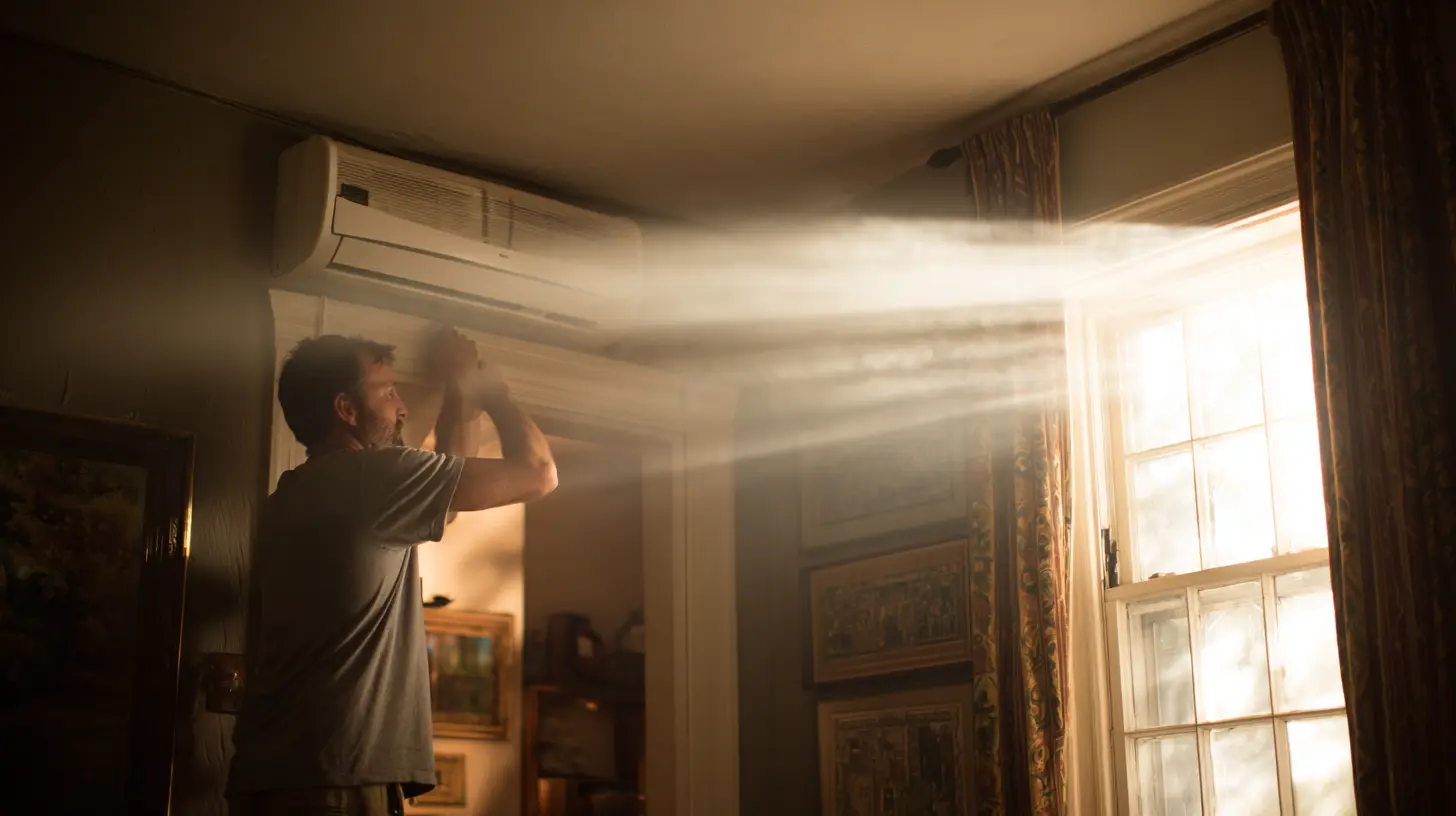
In Tucson’s triple-digit summer heat, a room that never cools is more than an annoyance. It can signal that your HVAC system is moving the wrong amount of air to the wrong places. Replacing equipment does not automatically solve this problem. In many homes with roof-mounted package units or split systems and ducts running through a scorching attic, airflow balance and duct design play a major role in comfort. This diagnostic guide explains how to recognize the symptoms, what commonly causes them, what you can safely check yourself, and which measurements a professional may use to confirm the solution. Start with observations inside the rooms, then work backward through the return, supply, and duct system before blaming the equipment.
-
Start With What You Can Observe Inside Each Room
Pay attention to when the room becomes uncomfortable. If the problem appears in the middle of the afternoon in a west-facing bedroom, solar heat gain and duct length may be contributing factors. Hold your hand over the supply register. Weak airflow combined with a loud blower can point to excessive static pressure somewhere upstream. Compare supply air temperatures from room to room with a simple thermometer. If one room receives noticeably warmer air, that branch may be restricted, poorly insulated, or leaking. Check whether the door is normally closed. Rooms without a dedicated return grille can become positively pressurized when the door is shut, which may reduce supply airflow. Also consider the thermostat location. A cool hallway can satisfy the thermostat while a distant bedroom or office remains much warmer.
-
The Usual Culprits: Static Pressure, Returns, and Duct Losses
High external static pressure can restrict airflow throughout the system. Common causes include an undersized return grille or a one-inch filter rack paired with a filter that creates too much resistance. Crushed or kinked flex duct, a partially closed balancing damper, or a crowded return plenum can add even more resistance. The evaporator coil may also begin to freeze if airflow drops too low while the system runs continuously in 110-degree weather. These patterns are common, and experienced technicians in Tucson, including Semper Fi Heating and Cooling of Tucson, AZ, diagnose them by taking measurements and correcting airflow restrictions instead of replacing parts without evidence.
Return air pathways can create another bottleneck. Many ranch-style homes depend on a single central return. When a bedroom door closes, pressure can build inside the room and reduce the amount of supply air entering through the register. Door undercuts, transfer grilles, or jumper ducts can provide a path for air to return to the central grille. Duct leakage also matters. Gaps around boots or seams in an attic can let heated attic air into the duct system, raising supply temperatures before the air reaches the room. During monsoon season, higher humidity adds a latent cooling load. Oversized equipment may cycle off too quickly, lowering the thermostat reading while leaving some rooms uncomfortable because the system hasn’t run long enough to manage moisture effectively.
-
Quick Checks That Do Not Require Tools
Inspect the air filter first. If your system uses a one-inch filter slot, stacking filters or installing an extremely restrictive filter can reduce airflow. Use a quality pleated filter compatible with the equipment and filter cabinet, and replace it on the recommended schedule. Make sure supply registers are fully open and not blocked by curtains, rugs, or furniture. Check visible balancing dampers at duct takeoffs to make sure they have not been accidentally closed. Inspect accessible flex duct runs and correct obvious sharp bends or unsupported sagging sections that may flatten the inner liner. Keep furniture and other objects away from the return grille so the blower can draw air freely.
You can also try a simple door test. With the HVAC system running, hold a small piece of tissue near the bottom of a closed bedroom door. If the tissue blows outward strongly, pressure may be building inside the room and restricting supply airflow. Open the door and see whether airflow from the supply register improves. You can also compare room temperature with supply air temperature at the grille. On many properly operating systems, you may see a temperature difference of roughly 15 to 20 degrees Fahrenheit between return air and supply air. However, the correct value depends on operating conditions and system design. Treat this measurement as a clue, not a complete diagnosis.
-
When Testing Matters: What Professionals Measure and Why It Helps Tucson Homes
A technician may measure total external static pressure with a manometer and compare the result with the blower performance chart to estimate delivered airflow in cubic feet per minute. They may also measure airflow at selected registers with an anemometer, adjust blower speed settings, program an ECM motor, or reposition balancing dampers to improve room-by-room airflow. Refrigerant measurements such as superheat and subcooling can help determine whether refrigerant charge or coil operation affects cooling performance rather than airflow alone. Duct leakage testing can identify losses that are difficult to see during a visual inspection. Sealing duct joints with mastic and confirming adequate insulation on supply runs can prevent extremely hot attic air from reducing cooling performance. Testing helps determine whether the main restriction is the filter rack, return plenum, branch duct, evaporator coil, or another component.
Choosing a Fix: Balancing, Adding Returns, or Correctly Sizing Equipment
Balancing dampers can redirect some airflow toward rooms that receive too little, but they cannot compensate for an undersized or restricted return system. Enlarging the return grille or adding a return can reduce static pressure throughout the duct system. When privacy matters, high wall transfer grilles or jumper ducts connecting a bedroom to a hallway can provide a return path without requiring the door to stay open. If a branch duct is too long, crushed, or undersized, replacing part of the flex duct with properly sized rigid duct and smooth radius fittings can increase airflow while reducing noise.
When the HVAC equipment eventually needs replacement, selecting capacity based on the actual cooling load can help prevent short cycling. A variable speed blower may also improve airflow management during different weather conditions, including monsoon season. Each solution involves practical trade-offs. Air balancing is relatively quick but has limited ability to overcome design problems. Adding returns may require wall or ceiling modifications. Replacing ductwork in a tight attic can require more time and labor, but correcting the underlying design may provide more consistent comfort from room to room.
Two Tucson Scenarios and What Solved Them
A 1970s ranch home with a single hallway return had a rear bedroom that became noticeably warmer every afternoon. Airflow from the supply register weakened whenever the bedroom door was closed. The solution involved enlarging the return grille, adding a jumper duct for the bedroom, and slightly adjusting a balancing damper on a nearby branch that was receiving more air than necessary. Reducing static pressure and giving the bedroom a better return path let the existing HVAC equipment deliver more consistent airflow without excessive noise.
A two story home with a roof mounted package unit had a northwest upstairs bedroom that remained hot and stuffy. An inspection revealed a kinked flex duct over a roof truss, a nearly closed balancing damper, and leaking supply boots. The flex duct was supported and straightened with gradual bends, the damper was opened slightly, and the boots were sealed with mastic. The blower ECM setting was also adjusted appropriately after airflow measurements were taken. Supply airflow improved, and the bedroom temperature stayed much closer to the hallway temperature during the late afternoon. Using a periodic circulation setting instead of leaving the fan continuously on also helped mix indoor air without unnecessarily reintroducing moisture during humid monsoon conditions.
Comfort problems that affect a single room are rarely solved simply by installing a larger air conditioner. More often, the solution involves delivering the correct amount of conditioned air to the right space at the right time. Begin with basic checks that can be performed safely, then consider professional airflow testing to identify static pressure problems, duct leakage, and branch restrictions. Keep notes about which rooms are uncomfortable, what filter size the system uses, and when the problem becomes most noticeable. That information can make diagnosis more efficient and help ensure that the ducts, returns, and blower work together effectively throughout Tucson’s hottest months.