
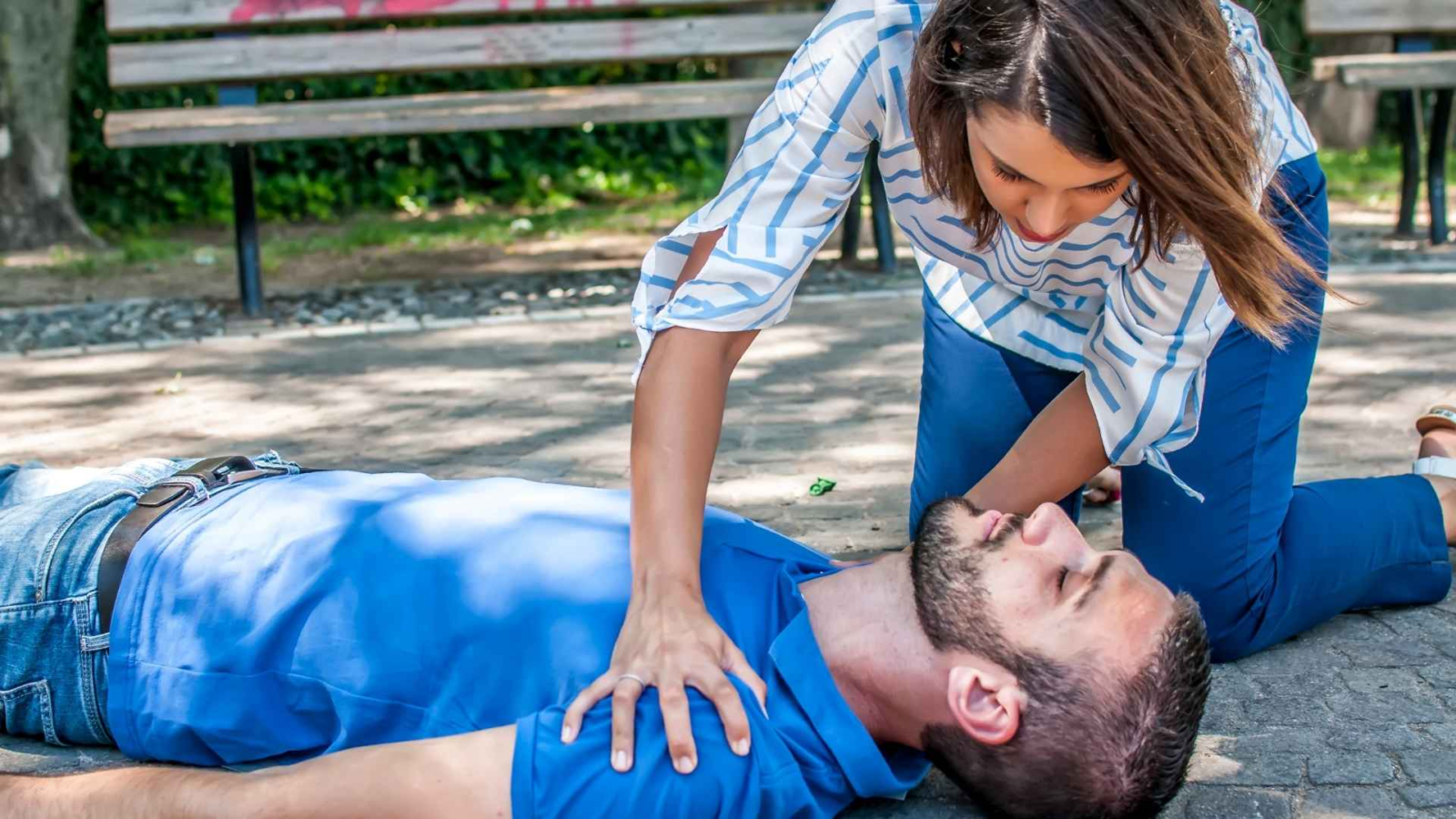
The lights drop, the crowd roars, and the first song starts. It’s the moment everyone paid for. Now picture the person two rows ahead suddenly slumping into their seat. The music is loud, the room is dark, and nobody around them seems to notice. Would you know what to do? Most people wouldn’t, and that’s not a criticism. It’s just not something we practise. It is, however, something you can learn in a short course through Coast2Coast First Aid and CPR Training, and it changes how you experience every crowded room after that.
Why Are Crowded Venues So Tricky in an Emergency?
Concerts, games and festivals are built for fun, not for spotting trouble. Several things work against you at once.
It’s dark, so it’s hard to see what’s happening. It’s loud, so shouting for help doesn’t carry. The crowd is packed tight, so reaching someone takes time. And everyone assumes that staff have already noticed, or that someone else has called for help.
Often, nobody has. That’s why the first person who acts matters so much.
What Should You Do First?
You don’t need to be a hero. You need a simple plan:
- Check the person. Tap their shoulders and ask loudly, “Are you okay?”
- Get staff attention. Ushers, security and event staff are trained to call for on-site medical help. Wave them over or send someone to find them.
- Call 911. Give the venue name, your section, row and seat. Specific details save time.
- Ask for the AED. Many arenas and large venues have one, and staff will know where it is.
- Start CPR if the person is unresponsive and not breathing normally.
Gasping or snoring sounds are not normal breathing. If you hear them in someone who won’t respond, treat it as an emergency and start CPR.
If you’ve never been trained, the dispatcher can talk you through hands-only CPR: push hard and fast in the centre of the chest. It’s tiring work, so if someone nearby knows CPR, take turns every couple of minutes.
How Do You Get Help Through a Crowd?
Once help is on the way, your next job is to make it easy for them to reach you.
- Make space. Ask the people around you to step back and clear the row.
- Send a guide. Ask one person to stand in the aisle and wave down paramedics or security when they arrive.
- Use your phone’s flashlight. In a dark venue, a light held high helps responders find you fast.
- Keep the call going. A 911 dispatcher can coach you through CPR while you wait.
These steps sound small. In a room full of thousands of people, they can cut minutes off the response.
What Else Goes Wrong at Concerts and Games?
Cardiac arrest is the most serious emergency, but it isn’t the most common one. On a busy night, you’re more likely to see:
- Heat exhaustion and fainting, especially on packed floors in summer
- Dehydration, often made worse by alcohol
- Falls and injuries on stairs, in crowds or in mosh pits
- Allergic reactions from venue food
- Seizures, where the right move is to protect the person’s head, move hard objects away and never hold them down
A first aid course covers all of these. More than anything, it gives you the confidence to step in instead of standing back.
Why Do Bystanders Matter So Much?
The Heart and Stroke Foundation of Canada estimates that about 60,000 cardiac arrests happen outside of hospital in Canada each year. Only about 1 in 10 people survives.
Here’s the part that matters for every fan in the stands. Survival rates can double when someone acts fast, performs CPR and uses an AED.
Paramedics can’t be everywhere. In a crowd, the first person to help is almost always a stranger in the next seat.
What Do Venues and Event Staff Need?
For the people who work these events, first aid isn’t optional. In Ontario, employers covered by the WSIB follow Regulation 1101, which sets requirements by the number of workers on each shift:
- 1 to 5 workers per shift: at least one worker with Basic First Aid (formerly Emergency First Aid)
- 6 or more workers per shift: at least one worker with Intermediate First Aid (formerly Standard First Aid)
- 200 or more workers per shift: a first aid room with a qualified attendant
Event nights are exactly when staffing jumps. A venue that runs with a small crew on a Tuesday might double or triple its staff for a sold-out show. Planning coverage for the biggest shift, not the quietest one, keeps a team WSIB-compliant. Certificates are valid for three years, and the June 2026 update changed the course names but not the rules.
How Can Students and Fans Fit Training In?
London is a university and college city, and many students need a current certificate anyway. Placements in health care and education, summer jobs at camps and festivals, and coaching roles often ask for one.
Blended courses make it easier. You complete the theory online at your own pace, then attend a shorter in-class session to practise the hands-on skills with an instructor. It’s a small time investment for a skill you’ll carry into every stadium, concert hall and festival field after that.
Where Can London Fans and Students Find Training?
If you are looking for first aid and CPR training near Richmond Street, Richmond Row, Victoria Park in downtown London, or surrounding areas, you may reach out to Coast2Coast First Aid & Aquatics in that area. You can also see the full CPR course calendar and choose a date that works for you.
FAQS
Q: What should you do if someone collapses at a concert?
A: Check whether they respond, get the attention of venue staff, call 911 with your section, row and seat, and ask for the AED. If the person is unresponsive and not breathing normally, start CPR.
Q: How do paramedics find you in a crowded venue?
A: Send one person to the aisle to wave down responders, clear space around the person, and hold up your phone’s flashlight in a dark venue. Stay on the line with 911 so the dispatcher can relay updates.
Q: What should you do if someone has a seizure at an event?
A: Protect their head, move hard or sharp objects away and never hold them down or put anything in their mouth. Call for help and stay with them until the seizure ends and help arrives.
Q: How many first aiders does an Ontario venue need?
A: Under WSIB Regulation 1101, a shift with 1 to 5 workers needs at least one worker with Basic First Aid, a shift with 6 or more workers needs at least one worker with Intermediate First Aid, and a shift with 200 or more workers needs a first aid room with a qualified attendant.
Q: How long is a first aid certificate valid in Ontario?
A: First aid certificates are valid for three years. The WSIB changed course names in June 2026, but the three-year validity and worker thresholds stayed the same.