
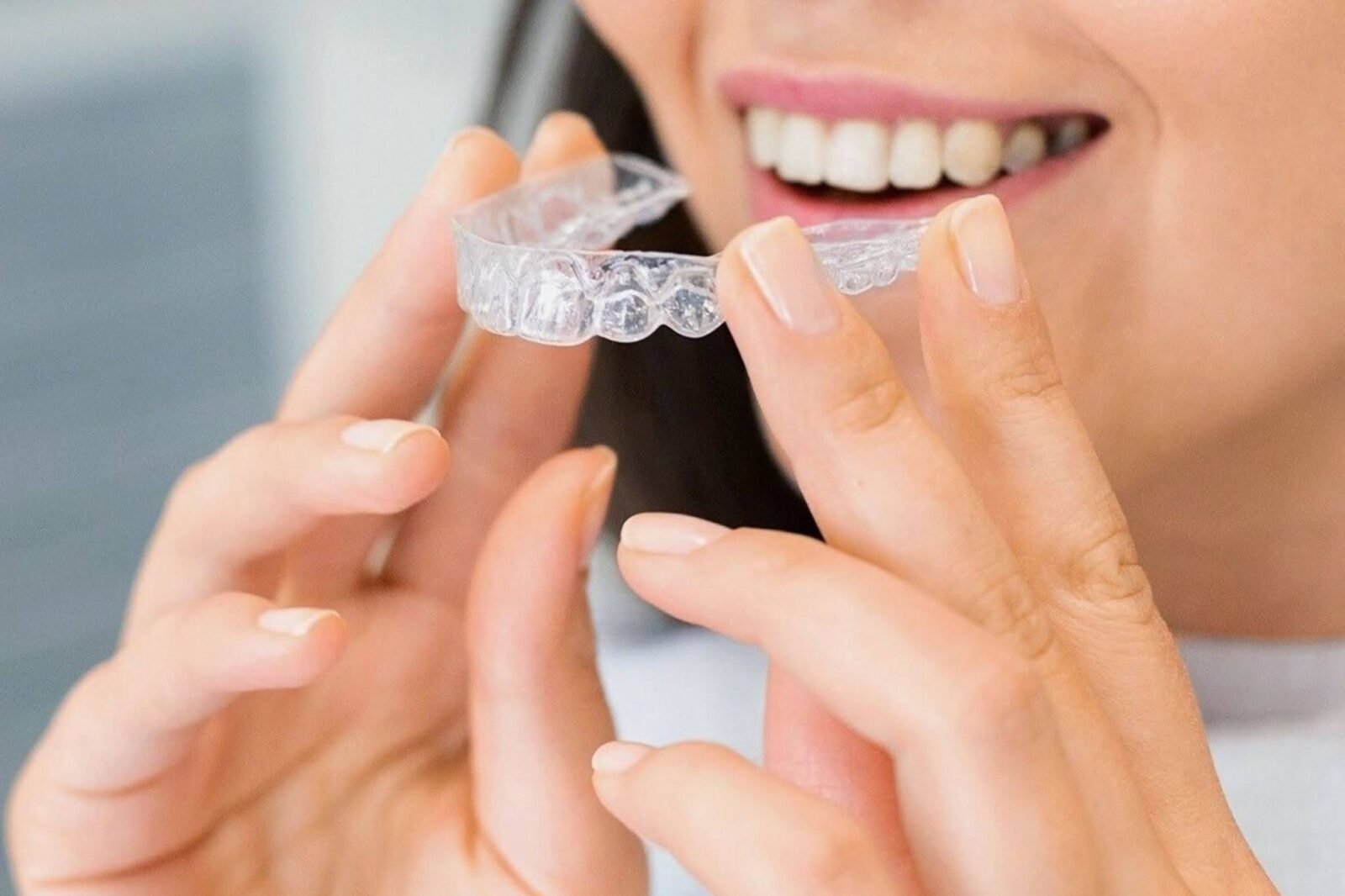
If you’re about to start Invisalign, you’ve probably already heard mixed opinions about how it feels. Some people say it’s barely noticeable, while others mention a few sore days here and there. The truth sits somewhere in between, and once you understand why the discomfort happens, it stops feeling like a mystery.
This guide walks through what soreness actually feels like, why your teeth react the way they do, and how things change as the weeks go by.
Why Your Teeth Feel Sore With Invisalign
Invisalign uses a series of clear plastic trays to shift your teeth into a new position bit by bit. Each tray is built slightly differently from the one before it, and that small shift is exactly what moves your teeth. It’s also what causes the pressure you notice.
A simple way to picture it: imagine pushing gently on a plant stem to guide it in a new direction. The stem doesn’t snap, but it needs time to bend and settle into place. Your teeth work in a similar way. The soreness you feel is a normal part of that gradual movement, not a warning sign.
Pressure Versus Actual Pain
It’s worth knowing the difference between everyday pressure and something more serious. Pressure usually feels like tightness or a dull ache, especially in the day or two after starting a new aligner. Real pain feels sharp, doesn’t let up, or seems to get worse instead of better. Most people who wear Invisalign only ever deal with the first kind. If the second kind shows up, it’s a good idea to check in with your dentist.
What’s Happening Beneath the Surface
Underneath your gums, small fibers called the periodontal ligament connect your teeth to your jawbone. When Invisalign puts steady pressure on a tooth, those fibers stretch slightly on one side and compress on the other. Bone cells respond by rebuilding around the tooth in its new position. That process is what causes the soreness, and it’s also exactly how any orthodontic treatment works, aligners included.
What to Expect Week by Week
Since every mouth reacts a little differently, think of this as a general guide rather than a strict rulebook.
Week 1: Getting Used to Something New
The first several days tend to bring the most noticeable adjustment. Your teeth and gums are adjusting to having something new in your mouth for most of the day. Common experiences during this stretch include:
- A dull, tight feeling across several teeth
- Minor rubbing on the inside of the cheeks or lips
- A temporary lisp or slight change in speech
Most of this eases up by the end of the first week. Many people say it feels similar to the tightness after an orthodontic adjustment, just gentler overall.
Week 2: Things Start to Feel Normal
By week two, the sharper edges of that first-week soreness usually fade. Your mouth has adjusted to the shape of the aligners sitting against your teeth and gums. You may still notice a little pressure right after switching trays, but it doesn’t linger nearly as long as it did the first time.
Speech tends to return to normal around this point too, and most people stop thinking about the aligners while eating or talking.
Week 3: A Familiar Pattern Begins
If your plan calls for switching trays again, expect a brief return of that tight feeling for a day or so. It’s usually milder than what you felt in week one, since your mouth already has a sense of what’s coming.
This is where many patients start to notice a pattern: a short stretch of mild soreness after each switch, followed by several comfortable days before the next one.
Weeks 4 Through 8: Falling Into a Routine
By this stage, most people have a good sense of what to expect. Each new aligner brings a day or two of mild tightness, then things settle back down. Some patients say they barely register the switch anymore.
Anyone researching invisalign union square during this stage will often find that dental teams describe this steady pattern as a normal and expected part of treatment.
Months 2 Through 6: Discomfort Becomes Minimal
Once your mouth has gone through several cycles of switching aligners, discomfort tends to shrink down to just a brief moment of tightness after each new tray. Many people say this stretch of treatment feels the most comfortable, since the process has become part of their daily routine.
The Final Stretch
Toward the end of treatment, the bigger tooth movements are usually already done. The remaining aligners handle smaller, more precise adjustments, which tends to mean even less noticeable pressure. Some patients report feeling almost nothing during these last few weeks.
Other Types of Discomfort Worth Knowing About
Tooth pressure gets most of the attention, but a few other minor issues can come up during treatment.
Irritation Along the Cheeks and Lips
The edges of a new aligner can sometimes rub against the inside of your mouth, especially early in treatment. This usually resolves on its own within a few days, and dental wax can help smooth things over in the meantime.
A Tired Feeling in the Jaw
Some people notice mild jaw fatigue, particularly if their bite is shifting along with their teeth. This tends to fade as the mouth adjusts to its new alignment.
Getting Used to Attachments
Small tooth-colored bumps, known as attachments, are sometimes added to help certain aligners grip better. They can feel strange under your tongue at first, but they aren’t usually a source of pain, just a new texture to notice.
A Drier Mouth Than Usual
Wearing aligners for most of the day can leave your mouth feeling a bit drier, especially during long conversations. It isn’t painful, but staying hydrated throughout the day helps keep it from becoming bothersome.
Ways to Ease the Adjustment Period
A little planning can make the soreness much easier to handle.
Put in New Aligners Before Bed
Switching trays right before sleeping means the most noticeable pressure happens while you’re resting instead of during your day.
Try Cold Water or a Cold Pack
Cold water or a cold compress against the cheek can help take the edge off soreness after a new aligner goes in.
Choose Softer Foods for a Day or So
Softer meals like soup, yogurt, or mashed vegetables reduce strain on teeth that are still adjusting to new pressure.
Use Standard Pain Relief When Needed
An over-the-counter pain reliever can help during the first day or two after switching aligners, especially if soreness feels more noticeable than usual.
Stick to Your Wear Schedule
It’s tempting to take aligners out when they feel tight, but wearing them consistently actually helps soreness pass faster. Teeth that move at a steady pace tend to cause less prolonged discomfort than teeth that start and stop.
For anyone comparing options like invisalign union square with other treatment routes, it helps to ask a provider directly what patients typically experience in terms of comfort, since every case is a little different.
Comparing Invisalign to Metal Braces
Many people weighing Invisalign already have some idea of how uncomfortable metal braces can be. While both involve an adjustment period, most patients describe Invisalign as feeling less intense overall. Metal braces apply constant pressure through wires and brackets, and their edges can cause cuts or sores. Invisalign trays are smooth, which usually cuts down on that kind of irritation, even though the underlying tooth-moving process works in a similar way.
Signs You Should Contact Your Dentist
Most soreness is a normal part of treatment, but a few signs are worth mentioning to your dentist:
- Pain that sticks around for more than a few days
- Sores inside the mouth that aren’t healing
- Sharp or throbbing pain instead of a dull ache
- Aligners that feel loose or don’t seem to fit right
Your dentist can quickly tell whether something needs a closer look or if it’s just part of the usual process.
Final Thoughts
Invisalign discomfort tends to follow a clear pattern: more noticeable in the first week, milder with each new aligner after that, and barely there by the later stages of treatment. Knowing what to expect week by week can turn a source of worry into something much easier to plan around.
If you’re thinking about starting treatment, it’s worth having a conversation with a dental professional about your specific situation. They can give you a clearer sense of your own timeline and answer any questions you have about comfort along the way.