
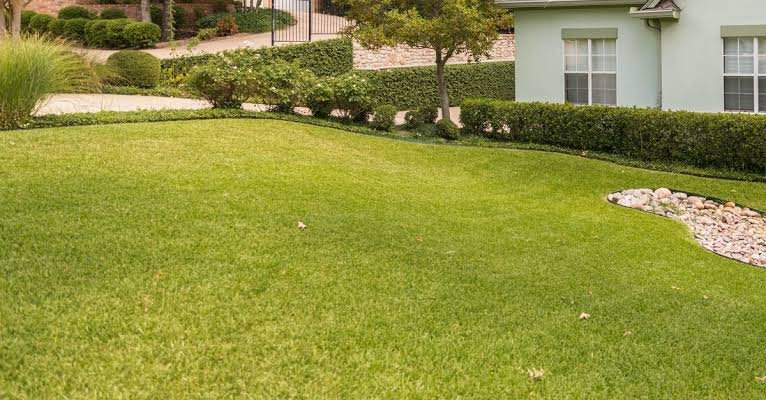
A lawn that looks sharp in April can turn into a patchy, scorched embarrassment by the second week of July in the Dallas, Fort Worth area. The problem is not a lack of effort from homeowners. It is a combination of regional climate, soil conditions, and grass selection that, when mismatched, produces predictable failure every summer. Getting the right turf in the ground from the start changes everything.
Why North Texas Homeowners Face Unique Lawn Care Challenges
The DFW Metroplex sits in a climatic middle ground that makes lawn care genuinely complicated. It is warm enough to rule out most cool-season grasses, yet far enough north that hard winter freezes can damage tropical varieties. The region’s Blackland Prairie soils, which dominate neighborhoods from Frisco and McKinney down through Arlington and Mansfield, are heavy clay with a high shrink-swell tendency. They crack in drought, pool water in rain, and compact under foot traffic. Any grass planted here has to contend with soil conditions that shift dramatically between seasons.
According to NOAA’s published 1991, 2020 climate normals, Dallas, Fort Worth averages 106 days per year at or above 90°F and 20 days at or above 100°F. That is a long, sustained heat load, not a brief spike. A grass variety that cannot tolerate months of high soil temperature, reduced rainfall, and intense sun exposure will decline regardless of how carefully a homeowner irrigates.
Why Water Management Has Become an Important Landscaping Consideration
Water availability is not a background concern in North Texas. It is a front-and-center factor in every landscaping decision. Municipal restrictions are common across DFW cities, and the rules vary by municipality, with some areas in Plano, Garland, and Irving operating under tiered watering schedules during dry months.
Grass variety directly affects how much water a lawn needs to stay healthy. Lawn watering accounts for almost one-third of annual residential water use in Texas and can be much higher during hot, dry summers. Homeowners also have a tendency to overwater landscapes by as much as two to three times the amount actually needed. Choosing a drought-tolerant variety cuts both water consumption and the risk of fungal disease from overwatering. It also lowers the chance of a lawn falling apart during mandatory restrictions.
Warm-season grasses are built for heat, but only when their roots reach down where the soil stays cooler and damp. Deep, infrequent watering pulls roots downward, while shallow daily watering does the opposite and sets a lawn up to fail during the worst weeks of the year. The right grass paired with the right watering strategy makes a measurable difference in how a lawn looks from June through September.
Understanding the Differences Between Bermuda, St. Augustine, and Zoysia
These three warm-season grasses dominate North Texas residential yards, and each comes with a distinct set of trade-offs.
Bermuda
Bermuda grass is the dominant warm-season turf across North Texas, prized for its drought tolerance and rapid self-repair. It spreads via both stolons and rhizomes, creating a dense, traffic-resistant lawn. Common improved varieties in DFW include Tifway 419, Celebration, and TifTuf. Bermuda needs full sun of at least six hours and struggles in shaded areas. For open backyards without tree cover, it is a reliable, low-cost choice. For anything with afternoon shade from mature oaks or neighboring structures, it thins fast.
St. Augustine
St. Augustine is a slower-growing, dense warm-season turf that tolerates light shade and is gaining ground in newer North Texas neighborhoods. It produces a thick, coarse-bladed carpet that looks lush with adequate water. The drawback is that it is more susceptible to chinch bugs, needs more irrigation than Bermuda, and does not handle cold snaps as gracefully. Neighborhoods in the southern DFW corridor, including areas around Cedar Hill and Duncanville, often see St. Augustine perform well, but it struggles on the drier, more exposed lots of the northern suburbs.
Zoysia
Zoysia sits between the two in most measurable categories. More drought-tolerant than St. Augustine, more shade-tolerant than Bermuda, slower-growing than both. It produces a dense, soft-textured lawn that holds color later into fall, and the slower growth rate means less mowing, which homeowners consistently cite as a practical advantage.
Where Palisades Zoysia Fits Into North Texas Landscaping
Palisades Zoysia Sod for North Texas Lawns
Not all Zoysia varieties perform the same way in DFW conditions. Palisades is a specific cultivar with a track record in Texas that sets it apart from generic Zoysia sod. Developed and released by Texas A&M University, Palisades Zoysia is a variety of Zoysia japonica, originally introduced to North America from Japan in 1895. Its development at a Texas institution means it was selected and tested under the same heat and soil conditions that DFW homeowners deal with every summer.
Palisades is one of the most drought-tolerant of the Zoysias, and some studies have shown it to survive up to 15 weeks without water. That kind of resilience matters in a region where a two-week stretch without rain in August is routine. For homeowners in Southlake, Flower Mound, or Allen who want a lawn that stays presentable through watering restrictions without constant intervention, Palisades Zoysia sod for North Texas lawns is a variety worth serious consideration. It fits well into yards with mixed sun and shade, needing only five to six hours of sunlight to stay thick and healthy. Not the most shade-tolerant Zoysia on the market, but for typical North Texas neighborhoods with shifting light, it holds up.
What to Expect After Installation
Palisades establishes faster than many other Zoysia varieties, which matters when sod goes down in warm months. Once rooted, it needs less frequent mowing than Bermuda, tolerates the occasional hard freeze better than St. Augustine, and maintains a deep green color through most of the growing season. The texture is medium-bladed, softer underfoot than Bermuda, and comparable in feel to a well-maintained St. Augustine lawn.
How Soil Preparation Influences New Sod Establishment
Laying sod over unprepared DFW clay is one of the most common and costly mistakes homeowners make. The Blackland Prairie soil that covers much of the Metroplex drains poorly and compacts easily, creating a barrier that keeps new roots from penetrating deeply. Sod laid directly onto compacted clay will develop a shallow root system that struggles through its first summer. Not a great start.
Preparation steps that make a real difference include:
- Core aeration to break up compaction and improve drainage before installation
- Topdressing with a sandy loam blend to improve the soil’s texture and drainage capacity
- Grading the surface to eliminate low spots where water pools after rain
- Moistening the soil the day before sod arrives so the ground is receptive but not muddy
Timing matters as well. Late spring through early summer, when soil temperatures are consistently warm but before the peak of July and August heat, gives new sod the best window to get established before the hardest conditions arrive.
Seasonal Lawn Maintenance From Spring Through Winter
North Texas lawns follow a calendar that differs from most of the country, and managing them well means working with that schedule rather than against it.
Spring green-up in Zoysia typically begins when soil temperatures consistently reach 65°F, which in DFW usually falls somewhere in late March to mid-April. This is the time to apply a pre-emergent herbicide, begin light fertilization, and raise the mower deck to the appropriate height for the variety. Scalping a Zoysia lawn too short in spring delays green-up and invites weed pressure.
Summer management centers on watering depth and mowing height. Deep, infrequent irrigation encourages roots to grow downward. Mowing at the upper end of the recommended height range keeps the soil shaded and cuts moisture loss. Avoid fertilizing during peak heat stress, when the lawn cannot process nutrients efficiently.
Fall is the window for overseeding bare patches if needed, applying a balanced fertilizer to support root development before dormancy, and pulling back irrigation frequency as temperatures drop. Outdoor water use, particularly lawn watering, accounts for almost one-third of annual residential water use in Texas and can represent a much higher share during hot, dry summers, which is exactly why tapering irrigation gradually in fall rather than cutting it off abruptly helps the lawn store moisture for winter.
Planning a Lawn Upgrade for Homes Across the DFW Metroplex
Homeowners across the Metroplex, whether in established neighborhoods in Keller and Coppell or newer developments in Prosper and Celina, are increasingly treating lawn renovation as a long-term investment rather than a seasonal patch job. Replacing a struggling Bermuda or St. Augustine lawn with a more climate-appropriate variety takes planning, but the payoff in reduced maintenance, lower water use, and consistent appearance is real.
The practical starting point is an honest look at the yard’s sun exposure, soil condition, and how the space actually gets used. A lawn that sees heavy foot traffic from kids and pets has different requirements than a front yard managed for curb appeal. A yard shaded by mature post oaks or cedar elms needs grass that can handle reduced light without thinning out.
Looking Ahead
Summers in North Texas are not getting more forgiving, and pressure on water supplies across the region keeps growing. Homeowners who choose grass varieties matched to their yard’s actual conditions will spend less time managing problems and more time using the space. A well-selected, properly established lawn in DFW is low-drama. But it starts with making the right call before the first sod roll goes down.