
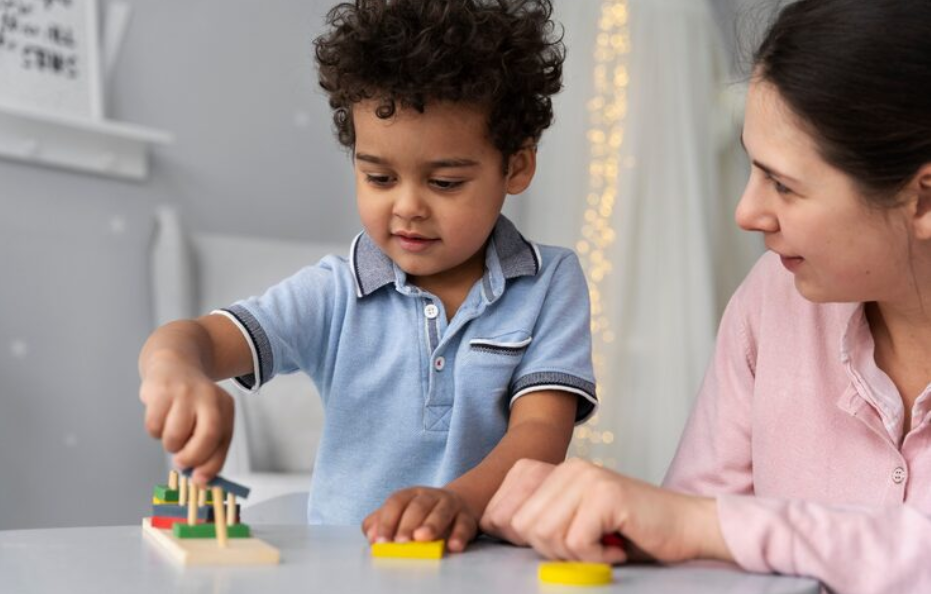
Every parent compares. It is almost impossible not to. One kid runs full speed around the playground while another trips over flat ground for no clear reason. One kid breezes through a worksheet while another snaps every pencil in frustration. A bit of difference is normal, kids develop at wildly different speeds. But some signs are worth more than a passing thought. These are not reasons to panic. They are reasons to look closer, and sometimes to bring in kids occupational therapy, because small support now tends to beat bigger struggles later.
Sign One: Clumsiness That Goes Beyond Normal Kid Chaos
All kids trip sometimes. But a child who constantly bumps into furniture, falls off chairs, or still cannot climb stairs with alternating feet past the age most kids manage it, may be dealing with weak motor planning rather than simple clumsiness.
Sign Two: Big Meltdowns Over Small Sensory Things
Tags in shirts. Certain food textures. Loud rooms. A child who melts down hard over things that barely register for other kids might be dealing with sensory processing differences, something occupational therapy addresses directly and often fairly quickly.
Where Is The Line Between Typical And Worth Checking?
| Area | Typical For Age | Possible Signal |
| Movement | Occasional trips and bumps | Frequent falls, avoids stairs altogether |
| Senses | Mild preference for soft clothes | Meltdowns over tags, textures, or noise |
| Writing | Some letter reversals early on | Avoids writing, tears the page, illegible past age 7 |
| Self care | Needs occasional help with buttons | Still fully dependent well past expected age |
Sign Three: Handwriting That Lags Far Behind Classmates
Messy handwriting on its own means nothing. But a child who avoids writing altogether, presses so hard the page tears, or still cannot form basic letters well past the expected age, is showing a fine motor signal worth checking.
Sign Four: Trouble With Everyday Self Care Tasks
Buttons, zips, shoelaces, cutting food with a knife, these are not small things. A child noticeably behind peers on these basic tasks, especially by seven or eight, often benefits from targeted practice rather than just more time.
Sign Five: Avoiding Physical Play Altogether
Some kids love running around without being asked twice. A child who constantly avoids playgrounds, group games, or anything physical might be hiding a coordination struggle behind disinterest, not simply personality.
Quick Checklist Worth Watching For
- Falls or trips more than friends the same age
- Reacts strongly to tags, textures, or loud spaces
- Avoids writing or handwriting looks far behind peers
- Still struggles with buttons, zips, or shoelaces past seven
- Steers clear of playgrounds and physical games