
Assimilasjon may sound like a difficult word, but the basic idea is actually quite simple. It usually means that one thing becomes more like another. Imagine moving to a new place and slowly starting to speak, dress, eat, or behave more like the people around you. That simple example can help us understand what assimilasjon is all about.
But here is where things become interesting.
Assimilasjon does not mean exactly the same thing everywhere. The word can appear when people talk about culture, immigration, languages, children learning new things, the human body, and even rocks.
So how can one word have so many meanings?
Let’s break it down in the easiest possible way.
What Does Assimilasjon Mean?
The word assimilasjon comes from an idea of making things more alike.
Think about dropping a little red paint into a large pot of white paint. Slowly, the colours begin to mix.
Assimilasjon can work in a similar way.
Something enters a new environment and begins to change so that it becomes more similar to what is already there.
However, when we are talking about people and culture, things are much more complicated than mixing paint.
People have languages, traditions, memories, religions, foods, clothes, music, and family customs.
That is why assimilasjon can become an important and sometimes sensitive subject.
Assimilasjon in Society and Culture
This is probably the meaning people hear about most often.
Cultural assimilasjon happens when a person or group gradually becomes more similar to the larger culture around them.
For example, imagine a family moves from one country to another.
At home, they may speak their original language.
They may cook traditional food and celebrate holidays from their old country.
But their children go to school in the new country.
They make new friends.
They learn another language.
They begin watching local television and listening to local music.
Over time, some parts of the family’s life may change.
That can be a natural process.
However, assimilation can also become more serious when people feel they must give up their original culture to be accepted.
In sociology, assimilation is often used for situations where minority groups are expected to adapt strongly to the majority culture, sometimes leaving important parts of their own cultural identity behind.
A Very Simple Example of Assimilasjon
Imagine a boy named Adam.
Adam’s family moves to another country when he is eight years old.
At first, Adam speaks one language at home and another at school.
His parents cook the foods they grew up eating.
Adam also starts enjoying the food his school friends eat.
A few years later, Adam speaks the new country’s language perfectly.
He follows many local customs and feels completely comfortable there.
This does not automatically mean he has forgotten where his family came from.
But if Adam slowly stops speaking his family’s original language, stops following its traditions, and identifies almost completely with the new culture, that could be described as a form of cultural assimilation.
Is Assimilasjon the Same as Integration?
No.
This is one of the most important things to understand.
Assimilation and integration are different ideas.
With assimilation, people may be expected to become very similar to the majority culture.
With integration, people can become active members of society while still keeping important parts of their own identity.
Let’s use another simple example.
Imagine Sara moves to a new country.
She learns the local language.
She gets a job.
She makes friends.
She follows the country’s laws and takes part in community life.
But she also speaks her family’s language at home.
She wears traditional clothes on special occasions and celebrates cultural festivals.
Sara is part of the wider society without completely giving up her background.
That is closer to integration.
Experts discussing integration in Norway describe this distinction by noting that integration can allow cultural differences to remain, while assimilation traditionally expects stronger adjustment to the majority culture.
Why Does Assimilasjon Happen?
There is no single reason.
Sometimes people change naturally because they live around a different culture for many years.
They may learn new habits simply because those habits make daily life easier.
Language is a good example.
If almost everyone around you speaks one language, you will probably start using it more often.
Children may assimilate even faster because they spend many hours at school with other children.
Workplaces can also influence people.
So can television, music, social media, friendships, and marriage.
But not every case of assimilation happens naturally.
History also contains examples where governments or powerful groups pressured minorities to change their language and culture.
That is very different from someone freely choosing to adopt new customs.
Can Assimilasjon Be Forced?
Yes, and this is one reason the subject can be controversial.
Throughout history, some minority groups have been pushed to leave behind their own languages and traditions.
Norway offers an important example.
For many years, Sami people faced policies aimed at making them more culturally Norwegian. Norwegian was used heavily in education, and assimilation policies contributed to loss of language and cultural identity in some Sami communities.
This shows why assimilation is not always just a simple story about people adapting to a new home.
Sometimes power is involved.
And when people are forced to hide or abandon their identity, the effects can last for generations.
Is Assimilasjon Always Bad?
Not necessarily.
The answer depends on how it happens.
People naturally learn from one another.
Someone who moves abroad may enjoy learning the local language.
They may love local food.
They may make friends, join community events, and develop new traditions.
There is nothing automatically wrong with that.
The problem appears when someone is told:
“You cannot belong here unless you stop being who you are.”
That creates a very different situation.
A person should not have to feel ashamed of their family, language, name, food, or history just to be accepted.
This is why modern discussions often focus on finding a balance between belonging to a larger society and keeping personal cultural identity.
Assimilasjon Can Change Between Generations
Here is another interesting part.
Assimilation often looks different for parents, children, and grandchildren.
Imagine grandparents who move to a new country.
They may continue speaking mainly their first language.
Their children may speak two languages.
Their grandchildren may mostly speak the language of the new country.
The grandparents may cook traditional meals every day.
The grandchildren may eat those meals only during family celebrations.
Little changes can slowly build up across generations.
After several generations, a family may still know where its ancestors came from but live almost completely according to the culture of its current country.
Assimilasjon and Language
Now let’s look at a completely different meaning.
Assimilasjon is also a linguistic term.
And no, this has nothing to do with people moving countries.
In language, assimilation happens when one speech sound changes because of another nearby sound.
The two sounds become more alike.
This happens because our mouths are constantly moving while we speak. Sounds can influence each other, especially in fast, natural speech.
Think about how people sometimes pronounce words differently when they speak quickly.
You may believe you are saying every letter clearly.
But your tongue and lips are already preparing for the next sound.
As a result, one sound can change slightly.
That is linguistic assimilation.
Contact Assimilasjon
One form is called contact assimilation.
This happens when two sounds are directly beside each other.
One sound affects the other.
It is almost like two children sitting next to each other and slowly copying each other’s behaviour.
The sounds are neighbours, so one starts becoming more like the other.
Assimilasjon in Psychology
The word also appears in psychology.
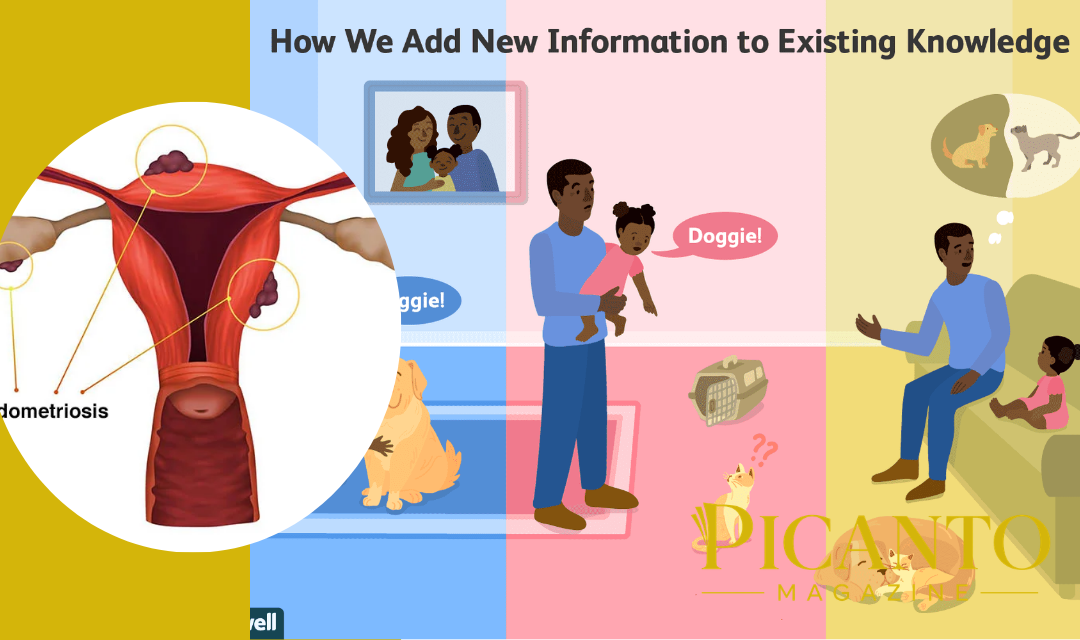
One famous use is connected to the psychologist Jean Piaget and his ideas about how children learn.
Here, assimilation means taking new information and fitting it into something you already understand.
That sounds complicated.
So imagine this.
A small child knows what a dog is.
The child sees a cow for the first time.
The child points at it and says:
“Big dog!”
Why?
Because the child is trying to understand a new animal using an idea already stored in their mind.
The new experience is being fitted into an old mental idea.
That is a simple way of understanding psychological assimilation.
As children learn more, they realise a cow is not a dog.
Their understanding changes.
This is part of how learning grows.
Assimilasjon in the Human Body
Here is another surprising meaning.
Assimilation can also describe what happens after your body digests food.
Imagine eating an apple.
Your digestive system breaks the apple down.
Useful nutrients are absorbed.
The body can then use those nutrients as parts of cells and tissues.
In physiology, assimilation refers to this process of turning absorbed nutrients into material used by the body.
So when your body takes nutrients from food and uses them to build or maintain itself, assimilation is taking place.
Pretty different from cultural assimilation, right?
Yet the basic idea is still similar.
Something is being taken in and becoming part of something else.
Assimilasjon in Geology
Yes, geologists use the word too.
Deep underground, extremely hot melted rock called magma can interact with rock around it.
Some surrounding rock can become dissolved or absorbed into that magma.
Geologists can describe this as assimilation.
Again, the basic idea remains familiar.
One material becomes incorporated into another.
Why Does One Word Have So Many Meanings?
At first, this may seem confusing.
How can the same word describe immigrants, speech sounds, children’s learning, food nutrients, and magma?
The secret is the basic idea behind the word.
In every example, something is being made more similar to something else, fitted into something else, or incorporated into a larger system.
Look at the pattern:
A cultural group becomes more like another culture.
A speech sound becomes more like a nearby sound.
A child fits a new experience into an existing idea.
Nutrients become part of the body’s cells and tissues.
Rock becomes incorporated into magma.
Different subjects.
Same basic idea.
Once you understand that, the word becomes much easier to remember.
Assimilasjon vs Multiculturalism
Assimilation is also sometimes compared with multiculturalism.
Multiculturalism accepts the idea that people with different cultural backgrounds can live together while keeping many of their differences.
Imagine a city where people speak several languages.
Different restaurants serve foods from around the world.
Families celebrate different holidays.
People may follow different traditions but still see themselves as members of the same wider community.
That is very different from saying everyone should become culturally identical.
Supporters of multicultural approaches often believe differences can add something valuable to society.
Supporters of stronger assimilation may argue that sharing more language, customs, and values can make a society feel more united.
This is why debates about assimilation can become complicated.
They involve questions about belonging, identity, equality, culture, and social unity.
Can Someone Have Two Cultural Identities?
Absolutely.
A person does not always have to choose only one culture.
Someone might feel Norwegian and Pakistani.
British and Indian.
American and Mexican.
French and Algerian.
The two identities do not automatically cancel each other out.
A person might speak one language with their grandparents and another with friends.
They might celebrate holidays from two cultures.
They may love food, music, clothing, and traditions from both.
Human identity is often much more flexible than a simple label.
Why Language Is So Important
Language is one of the clearest signs of cultural change.
Why?
Because language connects people with family stories, jokes, songs, books, history, and traditions.
When a minority language disappears from a family, something larger than words can sometimes disappear with it.
But learning a new language can also create opportunities.
It can help people make friends, study, work, and take part in their community.
This is why many families try to keep both.
Children learn the main language of the country while also learning the language spoken by parents or grandparents.
That can give them access to two cultural worlds instead of only one.
Assimilasjon in Everyday Life
You may have experienced a very small form of assimilation without even noticing it.
Think about joining a new school.
At first, you may dress differently or use different expressions.
After spending months with new friends, you may start using the same slang.
You may begin liking the same games.
You may copy certain jokes.
Nobody forced you.
It simply happened because people often learn from those around them.
That is not exactly the same as large-scale cultural assimilation, but it helps show how humans naturally influence one another.
Why Understanding Assimilasjon Matters
Words like assimilasjon appear in discussions about immigration, culture, education, history, language, and identity.
If we do not understand the word, those discussions can become confusing very quickly.
The most important thing to remember is that assimilation is a process of becoming more alike or being incorporated into something else.
But context matters.
Cultural assimilation is not the same as linguistic assimilation.
Linguistic assimilation is not the same as what happens during digestion.
So whenever you see the word, ask one simple question:
“What subject are we talking about?”
That will usually tell you what assimilasjon means.
Final Thoughts
Assimilasjon looks like a big and difficult word, but its main idea is surprisingly easy.
Something meets something else and becomes more like it or becomes part of it.
In society, this can mean people adapting to a larger culture.
In language, one sound can become more like another.
In psychology, new knowledge can be fitted into ideas already in our minds.
In the body, nutrients become part of our cells and tissues.
Even rocks can go through a form of assimilation deep underground.
But cultural assimilasjon deserves special attention because it involves real people and their identities.
Learning a new language or enjoying a new culture can be positive. Being forced to forget your own culture is something very different.
Understanding that difference helps us understand not only the word assimilasjon, but also how people, cultures, languages, and societies change over time.
Frequently Asked Questions
What does assimilasjon mean in simple words?
Assimilasjon basically means becoming more similar to something else or becoming part of it. The exact meaning changes depending on the subject.
What is cultural assimilasjon?
Cultural assimilasjon happens when a person or group gradually adopts the language, habits, values, or customs of a larger culture.
Is assimilasjon the same as integration?
No. Assimilation usually involves becoming more similar to the majority culture. Integration allows people to take part in society while still keeping important parts of their original culture.
Can assimilation happen naturally?
Yes. People may naturally pick up languages, foods, customs, clothing styles, and habits from those around them.
Can assimilation be forced?
Yes. History includes cases where governments and powerful groups pressured minority communities to give up their language and traditions.
What does assimilasjon mean in language?
In linguistics, assimilasjon happens when one speech sound becomes more like another sound near it.
What does assimilasjon mean in psychology?
In psychology, especially in Piaget’s theory, assimilation involves understanding new experiences using ideas and knowledge a person already has.
What does assimilation mean in the body?
In physiology, it can describe how absorbed nutrients are turned into material that becomes part of cells and tissues.
Why is assimilasjon important?
Understanding the word helps us better understand discussions about culture, immigration, identity, language, learning, and even science.