
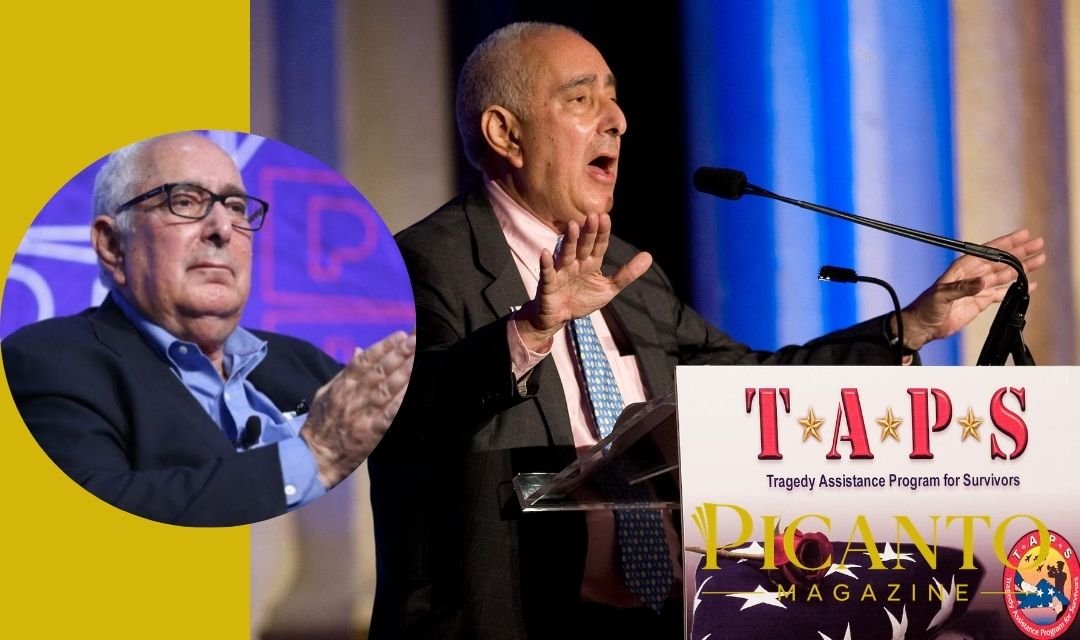
Ben Stein speech writer searches often begin with a surprising discovery: the familiar actor from Ferris Bueller’s Day Off once worked in the White House. Ben Stein served on Richard Nixon’s writing staff and continued briefly under Gerald Ford. His political career is documented in presidential archives, although the details are more interesting than the simple description “he wrote presidential speeches.”
Ben Stein Quick Bio
| Detail | Information |
|---|---|
| Full name | Benjamin Jeremy Stein |
| Born | November 25, 1944 |
| Birthplace | Washington, D.C. |
| Education | Columbia University and Yale Law School |
| Earlier profession | Lawyer |
| White House service | 1973–1974 |
| Presidents served | Richard Nixon and Gerald Ford |
| Main White House work | Writing, research, messages, and remarks |
| Father | Economist Herbert Stein |
| Famous film role | Economics teacher in Ferris Bueller’s Day Off |
| Television recognition | Win Ben Stein’s Money |
| Nixon resignation speech | Drafted by Ray Price, not Stein |
These details are supported by biographical references, White House records, and the National Archives’ account of Nixon’s resignation.
Was Ben Stein Really a Presidential Speechwriter?
Yes. Ben Stein’s White House employment was real, and it came before his best-known entertainment work.
The Nixon Presidential Library identifies Benjamin Stein as a speechwriter who served from 1973 until the end of Nixon’s administration. Its collection description also lists background materials connected with his projects.
However, the job title needs a little explanation. Working on a presidential writing staff does not necessarily mean writing every word of major televised addresses.
In his October 1974 exit interview, Stein said he had never written a complete formal speech that Nixon actually delivered. He described writing proclamations, shorter remarks, legislative messages, and related material instead.
That distinction does not erase his speechwriting role. It helps explain it.
A president communicates through many kinds of writing, from a few minutes of remarks to a long policy message. Stein’s work belonged to that broader operation.
Ben Stein’s Education Before the White House
Stein had a substantial academic background before entering presidential service. He earned an economics degree from Columbia University in 1966 and graduated from Yale Law School in 1970.
Those subjects help explain why a writing office might value his skills. Economics involves understanding policies, numbers, and the choices governments face. Legal training involves reading closely, weighing arguments, and explaining complicated matters.
A speechwriter needs more than attractive phrases. If a draft discusses a government program, the writer must understand what the program does before explaining it to anyone else.
Stein’s later public image can make this background easy to miss. His slow delivery and dry humor became part of his entertainment appeal, but his education and early work were rooted in serious professional fields.
The route to Hollywood was therefore not his first career plan unfolding in a straight line. Before audiences knew his face, he had studied economics, trained as a lawyer, and worked in government.
His Legal Career and Family Background
Before joining the White House, Stein worked as a lawyer, including at the Federal Trade Commission. His career also included legal work serving people with limited financial resources.
Government policy was familiar territory within his family. His father, Herbert Stein, was a prominent economist who served on Nixon’s Council of Economic Advisers and became its chairman.
The father and son had different positions. Herbert’s role concerned economic advice, while Ben’s later White House responsibilities were connected with writing and research.
Keeping their work separate matters because their names appear in records from the same administration. A document associated with Herbert Stein should not automatically be treated as part of Ben’s speechwriting history.
In a later PBS interview, Ben described a career that moved through economics, law, teaching, presidential writing, journalism, and entertainment. His own account makes clear how many professional settings came before his television fame.
How Ben Stein Joined Nixon’s Writing Staff
Stein’s exit interview gives a precise starting point: he said he began working full time at the White House on November 11, 1973.
He described approaching David Gergen after his pro-Nixon writing attracted attention. His legal training and knowledge of economics were part of what he could offer the office.
This was late in Nixon’s presidency. It was also a difficult period in which Watergate was placing increasing pressure on the administration.
The timing is important. Stein did not serve throughout Nixon’s entire presidency, and his position should not be stretched backward to include earlier speeches or decisions.
His arrival placed him inside an existing communications team. The work, relationships, and responsibilities of that office had already developed before he joined.
For anyone researching the Ben Stein speech writer story, the dates prevent an easy mistake: assuming that a famous former employee must have been involved in every famous event associated with that White House.
What Does a White House Speechwriter Actually Do?
The title sounds simple: someone writes, and the president speaks. In practice, the work can involve several kinds of communication.
A formal address might explain a major decision to the nation. Short remarks might welcome visitors or introduce an event. A written message might explain a proposal being sent to Congress.
These forms have different needs. A welcome should be brief and warm, while a policy explanation must make a complicated proposal understandable.
The writer also has to think about the speaker. A sentence that looks elegant on paper may sound awkward when read aloud. Long phrases, unclear references, and too many numbers can make listeners lose the main point.
This helps explain why a writing staff needs different strengths. Some assignments call for memorable language. Others require patient research and a clear explanation of technical details.
Stein’s account places much of his work in that second area.
Ben Stein Speech Writer Duties: More Than Famous Lines
Stein recalled working on an energy-policy message associated with Project Independence, housing messages, and material connected with Nixon’s tax controversy.
He also described writing for other officials, including Ann Armstrong and then-Vice President Ford. In his account, drafts passed through review, and he sometimes had to combine conflicting comments into one document.
That last task is easy to underestimate. Imagine several people reading the same paragraph and each wanting a different change.
One person may want stronger wording. Another may worry that a promise goes too far. A third may notice that an important detail is missing.
The writer has to produce something that is readable and accurate while dealing with those concerns. Clear writing can therefore depend as much on sorting out disagreements as on choosing words.
This is a more realistic picture of government communication than the image of a single writer producing a perfect speech alone.
Was Ben Stein Nixon’s Chief Speechwriter?
Stein should not be described as Nixon’s chief speechwriter.
Nixon’s writing operation included several people whose responsibilities and influence varied over time. The Nixon Foundation’s account names writers including Ray Price, Pat Buchanan, William Safire, Ken Khachigian, Aram Bakshian, and Stein.
Stein described himself as the most junior speechwriter in his 1974 exit interview.
The distinction matters because “a speechwriter” and “the chief speechwriter” describe different levels of responsibility.
Someone can contribute valuable work without running an office or controlling its major assignments. A staff position also does not make someone the author of everything issued under the president’s name.
The most accurate description is straightforward: Stein was a member of Nixon’s White House writing staff during 1973 and 1974.
That wording gives him credit for the role he held without assigning him someone else’s title.
Did Ben Stein Write Nixon’s Resignation Speech?
No. The National Archives identifies Ray Price as the writer who began drafting Nixon’s resignation address.
Nixon delivered the televised speech on August 8, 1974, and his resignation took effect the next day. The Archives explains that Price worked on a draft while Nixon was still considering whether to remain in office.
This is one of the most important facts to separate from the broader Ben Stein speech writer story.
Being employed in the same White House does not establish authorship of a particular speech. Neither does knowing or working with the person who drafted it.
Presidential addresses can involve suggestions and revisions from several people, but credit still needs to follow the evidence.
In this case, the archival account points to Price. Stein’s documented position should not be used to replace that attribution.
The same approach works for other famous speeches: check the drafting record instead of guessing from a staff member’s later fame.
Did He Write “I Am Not a Crook”?
Stein’s public biography explicitly says he did not write Nixon’s famous “I am not a crook” line.
The phrase is so closely associated with Nixon that it can become attached to almost any discussion of his communications staff.
But a memorable presidential statement is not automatically a speechwriter’s creation. Presidents answer questions, improvise, change prepared wording, and speak without a script.
Attributing a line requires evidence about that particular occasion.
For Stein, the useful answer is brief: his White House role was genuine, but this famous phrase is not one he claims to have written.
Understanding that difference keeps a biography from turning a recognizable quotation into an invented career highlight.
Working During Watergate
Stein’s time in the White House overlapped with the final phase of Watergate.
The scandal began with the June 1972 break-in at Democratic National Committee offices and developed into a wider investigation. Nixon resigned under threat of impeachment in August 1974.
The evidence went beyond political criticism. The National Archives explains that the June 23, 1972 recording known as the “smoking gun” showed Nixon’s involvement in obstructing the investigation.
That context matters when reading accounts from people who worked for him. Their memories can explain what the administration felt like from the inside, but personal loyalty does not replace the documented historical record.
For a writing staff, a political crisis also changes the purpose and stakes of communication. An unclear sentence or unsupported claim can create problems of its own.
Stein’s White House career belongs within this difficult period, rather than a general picture of ordinary presidential speechmaking.
Ben Stein’s Brief Service Under Gerald Ford
Stein remained on the White House staff for a short period after Ford became president.
The Ford Presidential Library’s staff records list Benjamin J. Stein as a staff assistant on the editorial staff, with a resignation date of November 1, 1974.
That record supports the familiar biographical statement that he served both Nixon and Ford.
It also helps define the length of his Ford service. He did not remain through Ford’s full presidency.
The transition is interesting because a new president brings a different speaking style and different priorities. Staff members who remain must work within that changed setting, even when their office or general duties continue.
For Stein’s biography, the clearest description is a short period under Ford following his Nixon service.
From Presidential Writing to Journalism and Hollywood
After the White House, Stein continued working with words. His career included newspaper writing, books, screenwriting, and commentary.
A biographical reference lists his work as a Wall Street Journal columnist during the mid-1970s. In his PBS interview, he also described the later move into Hollywood writing and acting.
His best-known film appearance came in the 1986 comedy Ferris Bueller’s Day Off. He played the teacher whose flat delivery turned an economics lesson into a memorable comic scene.
Time’s account of the role explains that Washington connections helped introduce him to the film’s casting director.
Television brought another audience through Win Ben Stein’s Money, which paired knowledge-based competition with his recognizable personality.
The surprising part is the order. The government lawyer and White House writer came first; the familiar screen figure came later.
Why Nixon Remained Important to Stein
Stein continued discussing Nixon long after leaving government.
In November 2023, the Nixon Foundation reported that he returned to the Nixon Library to speak about Nixon’s leadership during the 1973 Yom Kippur War. The event also identified him as the author of The Peacemaker: Nixon: The Man, President, and My Friend.
Those later appearances show that the White House period remained personally meaningful to him.
They also make it important to recognize perspective. A former employee’s affectionate account can offer memories and insight while still reflecting a strong point of view.
Readers can appreciate that personal connection and examine the historical evidence at the same time.
Stein’s story is most useful when both parts remain visible: his documented service and his lasting loyalty to the president he served.
Frequently Asked Questions About Ben Stein’s Speechwriting Career
Was Ben Stein a speechwriter before becoming an actor?
Yes. His White House writing work took place in 1973–1974, well before his famous appearance in Ferris Bueller’s Day Off.
Which presidents did Ben Stein work for?
He worked for Richard Nixon and briefly continued under Gerald Ford. Ford’s staff records list his departure in November 1974.
What did Ben Stein write for Nixon?
His account describes shorter remarks, proclamations, legislative messages, and supporting material, rather than complete formal speeches Nixon delivered.
Was Ben Stein Nixon’s chief speechwriter?
No. He was a member of the writing staff, and his own account describes his junior position.
Who wrote Nixon’s resignation speech?
Ray Price drafted the address, according to the National Archives. Nixon delivered it on August 8, 1974.
Did Ben Stein write “I am not a crook”?
No. His public biography specifically rejects that attribution.
For more info, visit Picanto Magazine.