
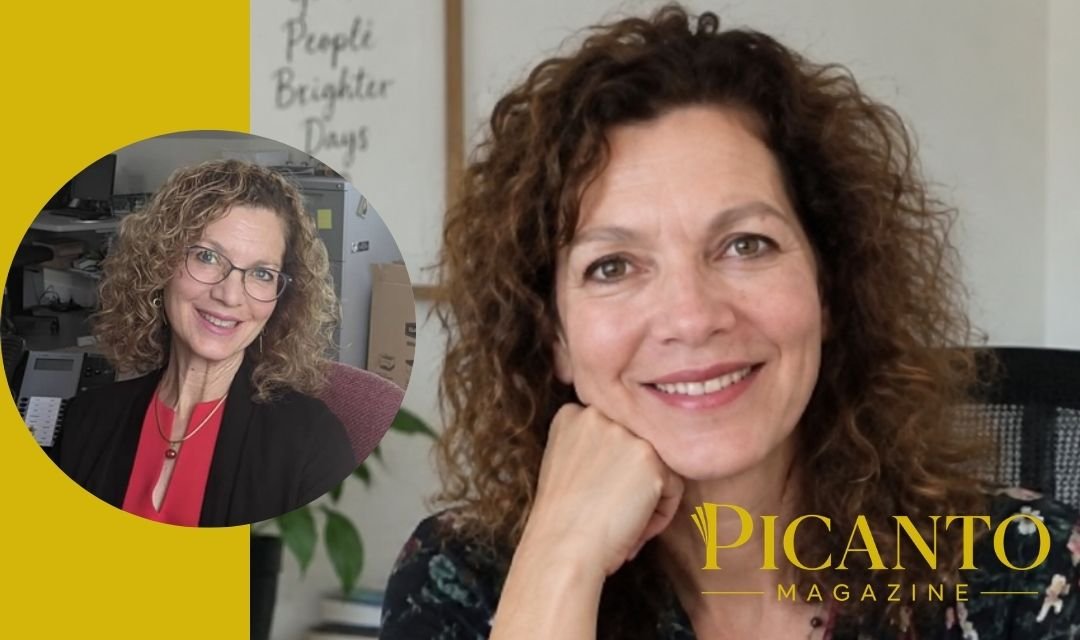
Donna Sicuranza is a Connecticut nonprofit leader whose public career is closely connected with affordable veterinary care for cats. Listed as Donna Sicuranza Marconi on the official staff page of Tait’s Every Animal Matters, she serves as the organization’s executive director. Her story centres on a practical idea: bringing essential feline care closer to the people and communities that need it.
Quick Bio
| Detail | Verified information |
|---|---|
| Publicly used name | Donna Sicuranza |
| Name on TEAM’s staff page | Donna Sicuranza Marconi |
| Professional role | Executive Director |
| Organization | Tait’s Every Animal Matters, or TEAM |
| Organization’s headquarters | Westbrook, Connecticut |
| Main area of work | Nonprofit leadership and feline welfare |
| Historic involvement | Named in TEAM’s account of planning its mobile clinic in 1996 |
| Mobile clinic launch | March 1, 1997 |
| Personal age and birth date | Not verified in the sources reviewed |
| Personal net worth | Not reliably established |
Her current position is documented by TEAM’s staff page, while the organization’s history identifies her involvement before the mobile clinic began operating.
Who Is Donna Sicuranza?
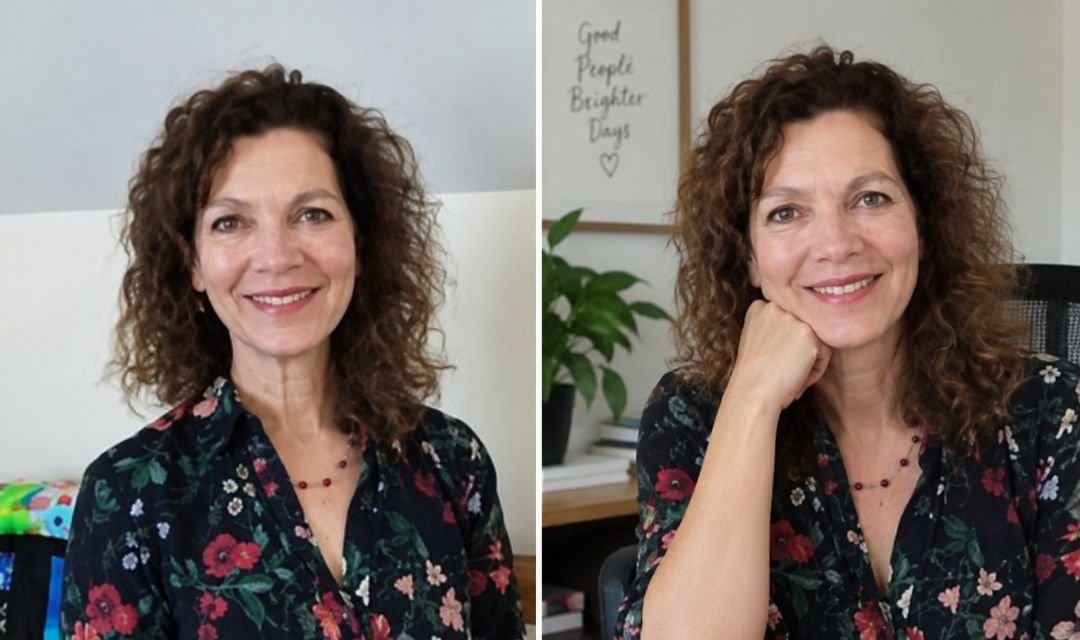
Donna Sicuranza’s public profile comes primarily from her work with TEAM, a nonprofit headquartered in Westbrook. The organization operates a mobile feline spay/neuter clinic serving Connecticut communities.
That work gives her biography a clear focus. It is a story about building and sustaining a service, working with veterinary professionals, and connecting an animal-welfare mission with everyday needs.
For a person caring for a cat, the important question may be simple: where can I find an appointment I can manage and afford?
Behind the answer sits a larger operation. A clinic needs staff, supplies, transport, scheduling, communication, and support. Donna’s documented leadership belongs within that wider effort.
An Important Distinction About Her Name
Before looking further into her career, one detail needs to be clear: not every search result for Donna Sicuranza describes the same person.
Pelham Funeral Home published an obituary for Donna Marie Sicuranza, a New York woman who worked at the Bank of New York and died in March 2017. That obituary concerns a different person from TEAM’s executive director.
Her birth date, marriage, banking career, and family history should not be added to the Connecticut animal-welfare leader’s biography.
This matters because a shared name can make unrelated details look convincing when they appear together. The strongest identification here is the connection between Donna Sicuranza Marconi and TEAM’s own staff information.
The Idea Behind TEAM’s Mobile Clinic
A mobile clinic changes where a service happens. Instead of operating only from one permanent location, it travels to communities.
TEAM’s stated purpose is to make feline spaying, neutering, and vaccination more accessible and affordable. Its website welcomes both domestic and feral cats from Connecticut.
The idea is straightforward, but carrying it out is more demanding. A vehicle alone does not create a working clinic.
People need to know when it is coming, how to arrange an appointment, and what the service includes. Veterinary staff need a suitable working environment. The organization must also keep the operation running between visits.
That combination of care and coordination is central to understanding Donna’s work.
Her Role in the Clinic’s Beginnings
TEAM’s own retrospective places Donna Sicuranza alongside veterinarian John A. Caltabiano during planning for the mobile program in 1996. It identifies him as TEAM’s president at the time and her as executive director.
The organization records March 1, 1997, as the clinic’s first day on the road, with ten cats treated that day.
Those details give her career a documented starting point within the program’s development. They are more useful than an unsupported claim that she suddenly became involved years later.
They also show that the service grew from a joint effort. Veterinary knowledge and organizational leadership were both part of turning the plan into a working program.
Why the First Ten Cats Matter
Ten cats may sound like a small beginning when placed beside the much larger totals TEAM later reported.
Yet the first day represents something important: a plan becoming a service people could actually use.
Before a program begins, its value exists mainly as an intention. After it begins, there are appointments, practical problems, and real experiences to learn from.
That is an interpretation of the milestone, rather than a quotation from Donna. It helps explain why the opening day deserves attention in a biography about long-term work.
A large organization is often easier to understand when you remember that its early achievements were individual tasks completed one at a time.
What Independent Reporting Adds
A June 2002 report in Animal People provides a useful view from outside TEAM.
The article named Donna Sicuranza as the program’s coordinator and described her and Caltabiano emphasizing preparation and publicity. It explained that local humane organizations, animal-control units, civic groups, and sometimes veterinary practices helped coordinate visits.
This adds something beyond a job title. It shows the practical importance of making sure a mobile service reaches the people who need it.
The report also helps establish that her connection with the program is longstanding. It is not based only on recent biography pages repeating one another.
The Work Behind Each Clinic Stop
A mobile service can be well equipped and still struggle if people do not know how to use it.
The 2002 reporting stressed having enough cats booked to make each stop productive. That connects public communication directly with the delivery of veterinary care.
For readers unfamiliar with nonprofit work, this is an important point. Communication is not simply a matter of promoting an organization’s name.
It can mean helping someone understand where to go, what to bring, and whom to contact. It can mean giving local partners enough notice to organize their own efforts.
Donna’s documented involvement in this side of the program offers a more concrete picture of leadership than general praise alone.
What TEAM’s Reported Numbers Show
TEAM’s current website states that its veterinarians have sterilized and vaccinated more than 225,000 cats since 1997. That is the organization’s cumulative reported figure, not a total independently audited for this article.
The number describes TEAM’s collective work. It should not be rewritten as a claim that Donna personally performed those procedures.
It also should not be converted into an annual total. “Since 1997” describes many years of activity.
Used carefully, the figure shows the scale of the program she helps lead. Its significance lies in sustained service rather than in attaching an impressive number to one person.
Donna’s Role Is Different From a Veterinarian’s
TEAM’s staff page places Donna under administrative staff as executive director. It separately identifies its medical director and veterinary technicians.
That distinction should remain clear. Leading a veterinary nonprofit does not automatically mean someone is a veterinarian.
Donna’s documented role concerns organizational leadership. The medical staff provide the clinical expertise associated with treating the animals.
Both forms of work are necessary to an operation like this. Recognizing the difference gives proper credit to each person and avoids turning an accurate biography into an exaggerated one.
It also explains why the clinic photograph above identifies Dina Sicuranza separately rather than presenting her as Donna.
Affordable Care and Everyday Circumstances
TEAM’s 2021 account described requests from people on fixed incomes, people out of work, owners of new kittens, and people who had taken in strays.
That range makes the mission easier to understand. The need for an affordable appointment does not have only one cause.
Someone may have planned carefully for a pet but experienced a sudden change in circumstances. Another person may have become responsible for an animal unexpectedly.
These examples illustrate why accessible services can matter. They are not descriptions of named clients or claims about anyone’s private finances.
The human side of animal welfare often begins with making it easier for a willing caretaker to take the next practical step.
Helping Domestic and Feral Cats
TEAM’s About page states that its mobile clinic welcomes both domestic and feral cats.
That broadens the program’s purpose beyond appointments for household pets alone.
However, cats have different handling needs and circumstances. A person caring for a friendly pet may face a different situation from someone helping an unsocialized outdoor cat.
Anyone seeking services should follow the clinic’s current instructions rather than treating a biography as an animal-care guide.
For Donna’s profile, the important point is the scope of the organization’s stated mission. It includes supporting people whose connection to cats may extend beyond ownership of a single companion animal.
Education Alongside Veterinary Services
TEAM also maintains a section called TEAMWORKS, with articles about cat behaviour, carriers, feeding, community supporters, and its mobile clinic.
This shows that the organization communicates with the public outside the appointment itself.
An educational article can help a caretaker think of a question they had not previously considered. A program update can explain how donations or community involvement connect with the service.
The reviewed pages do not establish that Donna personally wrote every article. It would be wrong to attribute an entire publication to her without author credits.
Still, TEAMWORKS helps show the wider environment in which her leadership operates: care, information, and ongoing contact with supporters.
What Is Known About Her Early Life?
Reliable information about Donna’s childhood, birth date, parents, and early family life was not established in the sources reviewed.
A professional profile associates her with Trinity College–Hartford, but that limited listing does not provide enough detail to construct a full educational biography or confirm a specific degree.
There is no need to fill these gaps with a story about childhood pets or a lifelong ambition unless she has publicly described those experiences.
A meaningful biography can begin where the evidence becomes clear. In Donna’s case, her documented work with TEAM offers substantial material without an invented origin story.
Her Family and Personal Life
The official staff page uses the name Donna Sicuranza Marconi. That confirms how TEAM identifies her professionally; it does not establish the details of her marriage or household.
A spouse’s name, wedding date, or number of children should not be guessed from a surname.
The same care applies to staff members who share part of her name. A shared surname alone is not enough to describe a particular family relationship.
Her public work can be discussed fully while leaving unverified personal details unclaimed. That keeps the profile focused on what readers can actually learn about her.
Donna Sicuranza’s Net Worth
No reliable personal net-worth figure was established.
A nonprofit’s revenue, assets, donations, or reported compensation figures do not reveal an executive’s total personal wealth. These are different kinds of financial information.
Without appropriate evidence, giving Donna a dollar estimate would create an appearance of precision without a sound basis.
The more useful measure in this profile is her documented professional involvement: helping develop a service and remaining publicly associated with its leadership over many years.
That is a substantial career story even without the financial estimates commonly attached to online biographies.
What Is She Doing in 2026?
As of the September 2026 review, TEAM’s official staff page continues to list Donna Sicuranza Marconi as executive director.
That is the clearest current statement supported by the organization itself.
It does not establish her daily schedule, personal plans, or every responsibility she currently handles. A staff page gives a role, not a complete picture of someone’s life.
For readers interested in the program’s present services, TEAM’s own appointment and contact information is more useful than older articles. Schedules and service arrangements should be checked directly before making plans.
What Makes Her Career Worth Understanding?
Donna Sicuranza’s documented career illustrates how a charitable mission depends on practical organization.
A desire to help animals must become something people can reach and use. That involves medical professionals, administrative work, local cooperation, clear information, and continued support.
Her role in the program’s early planning, the independent reporting on coordination, and her current staff listing provide a consistent professional thread.
The achievement is best described without exaggeration: she has been a longstanding leader within an organization that reports delivering feline care on a substantial scale.
That gives the story its strength. The evidence is more compelling than an invented celebrity narrative.
Final Thoughts
Donna Sicuranza’s biography is rooted in the work of Tait’s Every Animal Matters and its mobile feline clinic. The records connect her with planning in the 1990s, coordination in the early 2000s, and executive leadership today.
Her contribution belongs within a wider team effort that includes veterinary staff, partners, donors, and the people bringing cats for care.
The clearest way to understand her is through that sustained work: helping turn an animal-welfare goal into a service that communities can use.
Frequently Asked Questions
Who is Donna Sicuranza?
Donna Sicuranza is a Connecticut nonprofit professional listed as Donna Sicuranza Marconi, executive director of Tait’s Every Animal Matters.
What does TEAM stand for?
TEAM stands for Tait’s Every Animal Matters. The nonprofit operates a mobile feline spay/neuter and vaccination clinic.
When did the mobile clinic begin?
TEAM’s history records its first operating day as March 1, 1997.
Is Donna Sicuranza a veterinarian?
The official staff page identifies her as executive director under administrative staff. It lists veterinary personnel separately.
How many cats has TEAM served?
TEAM reports that its veterinarians have sterilized and vaccinated more than 225,000 cats since 1997. This is an organization-wide cumulative figure.
Is she the Donna Sicuranza who died in 2017?
No. The 2017 obituary concerns Donna Marie Sicuranza, a New York woman with a banking career, rather than TEAM’s executive director.
What is Donna Sicuranza’s age or net worth?
Neither a verified birth date nor a reliable personal net-worth estimate was established in the sources reviewed.
For more info, visit Picanto Magazine.