
Introduction
Vehicle damage can happen unexpectedly. A minor parking collision, a falling object, a damaged bumper or a scrape against a wall may leave you wondering how much the repair will cost. Even when the damage appears straightforward, determining the right repair method and estimating the total expense requires more than a quick visual guess.
Preparing the correct information before requesting an estimate can make the process more efficient. It helps the repair professional understand what happened, identify areas that may need closer inspection and explain the possible work involved. Whether you intend to pay for the repairs yourself or involve your insurance provider, a clear assessment is a useful starting point.
Why a Professional Cost Estimate Matters After Vehicle Damage
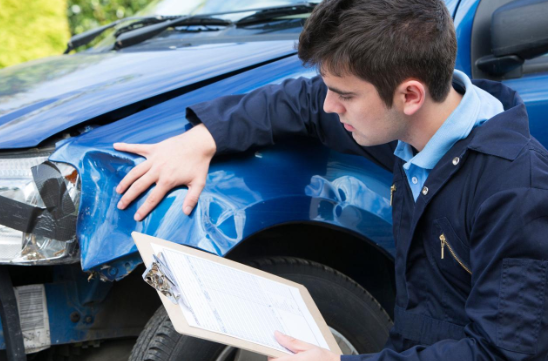
The visible damage is not always the full extent of a vehicle’s condition. A dent may affect more than the outer panel, while a cracked bumper could have damage behind its cover. Scratches can also vary considerably in depth, meaning that some require polishing while others need localised painting or more extensive refinishing.
An estimate helps translate these observations into a practical repair plan. It can identify the work that may be necessary, the components that could require attention and the expected labour involved.
A professional assessment is also useful when deciding whether a repair is financially worthwhile. Rather than making a decision based on appearance alone, you can consider the likely cost alongside the vehicle’s age, condition and value.
For this reason, arranging a Kostenvoranschlag für Fahrzeugschäden can help drivers in Wuppertal understand the potential expenses associated with vehicle damage before approving repair work.
Start by Recording How the Damage Happened
Before contacting a repair workshop, take a few minutes to record the circumstances surrounding the damage. This information can help explain which areas of the vehicle may have been affected.
Consider writing down:
- When the damage occurred or when you first noticed it.
- Whether the vehicle was involved in a collision, parking incident or another event.
- Which side or section of the vehicle was affected.
- Whether the vehicle was moving or stationary.
- Whether you noticed unusual sounds, warning lights or changes in how the vehicle behaves afterward.
You do not need to provide a complicated technical explanation. A straightforward description is usually more helpful than an uncertain attempt to diagnose the problem yourself.
If the vehicle was involved in an accident with another driver, keep any relevant details and photographs. Where insurance is involved, the insurer may also require specific information about the incident.
Take Photographs from Different Angles
Photographs are useful for documenting visible damage and providing an initial impression before a physical inspection. However, a single close-up image rarely tells the complete story.
Try to capture the affected area from several distances.
Start with a photograph showing the entire vehicle so that the location of the damage is clear. Then take wider images of the affected section, followed by closer photographs showing scratches, dents, cracks or paint defects.
Good photographs should:
- Be taken in sufficient natural or artificial light.
- Show the damaged area without unnecessary obstruction.
- Include surrounding panels where possible.
- Avoid strong reflections that hide surface defects.
- Show more than one angle if the damage extends around an edge or corner.
Keep the original images rather than relying only on compressed versions shared through messaging applications.
Photographs can help a workshop understand the initial situation, but they should not replace an inspection where hidden damage may be present. A repair professional may need to examine the vehicle directly before confirming the necessary work and final cost.
Identify the Vehicle Details Before Requesting an Estimate
The make and model of a vehicle are important when assessing repair requirements. Different manufacturers use different body structures, materials, paint systems and component designs.
Even two vehicles of similar size can require different repair procedures. A damaged door on one model may involve a relatively straightforward panel repair, while another may contain additional components that need careful removal and refitting.
Prepare the following details if available:
- Vehicle manufacturer and model.
- Year of manufacture or first registration.
- Current mileage.
- Relevant model or equipment version.
- Information about previous repairs to the damaged area.
The registration number may also help identify the vehicle, depending on the workshop’s process.
Be honest about previous damage or repairs. Earlier paintwork, replacement panels or existing dents can influence how a new repair should be approached. Providing this information early can reduce misunderstandings later.
Understand the Difference Between Visible and Hidden Damage
One of the most important parts of preparing for a repair estimate is recognising that exterior appearance does not always reveal the full condition of the vehicle.
For example, a bumper may show only a small crack after a low-speed collision. Behind it, however, mounting brackets or other components may have been affected. Similarly, a dent near a door edge could influence panel alignment or the way the door closes.
Paint damage can also require closer examination. A scratch that appears superficial might extend through the clear coat and colour layer, exposing the underlying material in some areas.
This is why repair professionals consider factors beyond the size of the visible defect. Depending on the situation, they may need to inspect:
- Panel alignment and gaps.
- Bumper attachments and mounting points.
- The condition of nearby components.
- Paint layers and surface preparation requirements.
- Areas where moisture could enter exposed material.
- Sensors or other equipment fitted near the damaged section.
The purpose of this inspection is to establish a realistic repair scope rather than relying on assumptions based on photographs alone.
Know What Should Be Included in a Repair Estimate
A useful estimate should help you understand what work is being considered and why. The exact format can vary depending on the workshop, vehicle and type of damage, but several elements commonly influence the calculation.
Labour: Repair work may involve removing components, reshaping panels, preparing surfaces, painting and reinstalling parts. The time required depends on the extent and location of the damage.
Materials: Paint, primers, fillers and other consumables may contribute to the total. The materials required depend on the selected repair procedure.
Replacement components: Some damaged parts can be repaired, while others may need replacement. The decision depends on their condition, construction and suitability for repair.
Painting and finishing: When refinishing is necessary, colour matching, surface preparation and the surrounding panel area can affect the amount of work involved.
Additional operations: Certain repairs require removing nearby components or performing further checks before the vehicle can be handed back.
If any part of the estimate is unclear, ask the workshop to explain it. Understanding the proposed work makes it easier to compare repair options and decide how to proceed.
Questions to Ask Before Approving the Work
Receiving an estimate does not mean you must immediately authorise the repair. Take time to understand the proposal, especially if the damage is extensive or the expected cost is higher than anticipated.
Useful questions include:
- Which damaged areas are included in the estimate?
- Can the affected panel be repaired, or is replacement recommended?
- Does the estimate include painting and finishing?
- Could additional damage be discovered during disassembly?
- Are any parts or materials likely to require separate approval?
- How will the workshop handle changes if the repair scope increases?
These questions help establish expectations before work begins. They can also prevent confusion if further damage becomes visible after components have been removed.
If you are using insurance, check with your insurer about its approval process and documentation requirements before authorising repairs.
Why the Cheapest Estimate Is Not Always the Best Choice
Comparing repair prices is sensible, but choosing a workshop based only on the lowest figure can create problems.
Two estimates may appear different because they include different operations. One might cover only the visible dent, while another includes preparation, refinishing and additional work required to achieve an appropriate result.
The quality of materials, repair methods and attention to detail also matter. Poorly prepared surfaces or unsuitable refinishing methods can affect the appearance and durability of the finished repair.
When comparing estimates, make sure you understand what each one covers. Ask whether the same damaged areas, components and finishing operations are included.
A clear explanation of the proposed work is often more valuable than a low headline price without sufficient detail.
Get a Clear Assessment from Linge Lackierzentrum
When vehicle damage needs professional attention, having a reliable point of contact can make the next steps easier. Drivers in Wuppertal can explore the services offered by Linge Lackierzentrum for information about vehicle bodywork, paint repairs and damage assessments.
Providing photographs, vehicle details and a clear description of the incident can help prepare for an initial discussion. If further inspection is necessary, the workshop can assess the affected areas and determine which repair operations may be appropriate.
The objective is to understand the condition of the vehicle, identify the work involved and establish a cost estimate that reflects the actual repair requirements.
Conclusion
A reliable vehicle repair estimate begins with good preparation. Recording how the damage happened, taking clear photographs and providing accurate vehicle details can help a repair professional understand the situation more effectively.
It is equally important to recognise that visible damage may not reveal every affected component. A proper inspection can identify additional requirements and help establish a realistic repair plan.
Before approving any work, review the estimate carefully, ask questions about unclear items and compare the actual scope of different proposals. Taking these steps gives you a better understanding of the expected costs and helps you make a more informed decision about restoring your vehicle.