
Traverse City lives two very different traffic lives. In summer, the roads fill with visitors heading to the beaches, wineries, and cherry stands, many of them unfamiliar with local streets. In winter, the crowds thin out, but lake-effect snow, icy bridges, and early darkness bring a different set of dangers. A crash can happen in either season, and the questions that follow are often the same: who pays the medical bills, and what if the injuries do not go away?
Michigan’s no-fault system answers part of that, but it has changed a lot since 2020, and many drivers are not sure what their own policy covers. Talking with a car accident attorney in Traverse City can help an injured person sort out which benefits apply and whether a separate claim against the at-fault driver is possible. This article looks at local crash risks, today’s no-fault coverage choices, the rules for stepping outside the system, and what visitors from out of state should know.
Crash Risks That Change With the Seasons
Summer brings the heaviest traffic. Events like the National Cherry Festival pack downtown with cars and pedestrians, and visitors flow along US-31, M-72, and Grand Traverse Bay toward the beaches and Sleeping Bear Dunes. Scenic routes such as M-37 on Old Mission Peninsula and M-22 through Leelanau County draw drivers who slow suddenly to look for a winery sign, take a photo, or turn into a farm market, which leads to rear-end and turning crashes. Cyclists and pedestrians add to the mix along the TART Trail crossings and busy downtown streets.
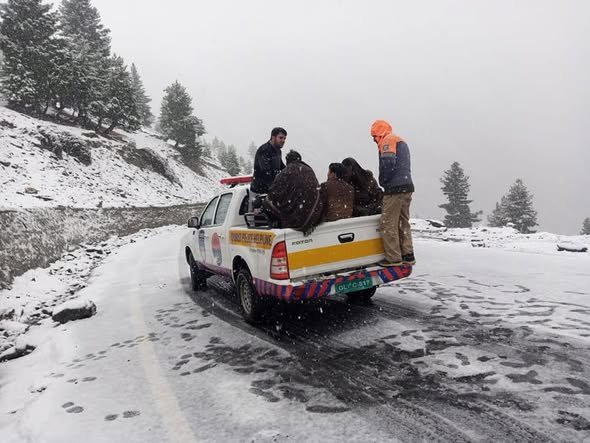
Winter is quieter but often more dangerous. Lake-effect snow can drop visibility to almost nothing in minutes, and roads like Division Street, Garfield Avenue, and South Airport Road can turn slick with ice. Drivers who keep summer speeds on winter roads may slide through intersections or lose control on curves.
Deer are a year-round risk in northern Michigan, especially at dawn and dusk in the fall. Rural two-lane highways around Grand Traverse County also have fewer lights and wider gaps between towns, so serious crashes may take longer for help to reach. Many injured people are taken to Munson Medical Center, the region’s main hospital.
Your PIP Choice Now Shapes Your Recovery
Michigan is a no-fault state, which means your own auto insurer generally pays your medical bills and part of your lost wages after a crash, no matter who caused it. This coverage is called personal injury protection, or PIP. Before July 2020, every Michigan policy came with unlimited lifetime medical coverage. That is no longer automatic.
Today, drivers choose from several PIP medical levels. According to the State of Michigan’s guide to choosing PIP medical coverage, the options include unlimited coverage, $500,000, $250,000, and $250,000 with certain exclusions. Drivers on Medicaid may choose a $50,000 level, and those with qualifying Medicare coverage may be able to opt out of PIP medical altogether. Each level is the most your insurer will pay per person, per accident.
This choice matters a great deal after a serious crash. A spinal injury or traumatic brain injury can cost far more than $250,000 in surgery, rehab, and long-term care. If your PIP runs out, you may need to look to health insurance or a claim against the at-fault driver to cover the rest. Many people do not know which level they selected until after an accident, so it is worth checking your declarations page now.
Claims Against the Driver Who Caused the Crash
No-fault does not mean the at-fault driver is off the hook. Michigan allows an injured person to sue for pain and suffering when the crash causes death, permanent serious disfigurement, or a “serious impairment of body function.” In simple terms, that means an objectively shown injury to an important body function that affects the person’s general ability to lead their normal life. It does not have to be permanent, but it must be more than a passing inconvenience.
Injured people can also seek “excess economic damages” from the at-fault driver. These cover losses PIP does not pay, such as medical bills beyond a capped PIP limit or lost wages above PIP’s monthly and three-year limits. Under the 2020 reform, the default bodily injury liability coverage rose to $250,000 per person, though drivers may choose lower limits in writing.
Vehicle damage follows its own rule. If your car was not covered by collision insurance, you may be able to recover up to $3,000 from the at-fault driver through a mini-tort claim. Fault matters in all of these claims. Michigan reduces recovery by the injured person’s share of fault, and a person found more than 50 percent at fault cannot recover pain and suffering damages.
Visitors, Deadlines, and the First Steps After a Crash
Because so many drivers in Traverse City come from other states, crashes often involve out-of-state insurance. Michigan’s no-fault rules can still apply to visitors injured here, and many large insurers that do business in Michigan provide no-fault benefits for their customers while driving in the state. Coverage depends on the insurer and the policy, so an out-of-state visitor who is hurt should not assume their home state’s rules control the claim.
Deadlines are strict. In general, a written notice of a no-fault claim must be given to the insurer within one year of the crash, and benefits can usually only be recovered for expenses incurred within the year before a lawsuit is filed. A lawsuit against the at-fault driver for pain and suffering generally must be filed within three years. Missing any of these dates can cost an injured person benefits they would otherwise receive.
The first days after a crash set up everything that follows. Call 911 so police create a report, get checked at an emergency room or urgent care even if you feel okay, and take photos of the vehicles, the road, and any snow or ice. Write down the names of witnesses, notify your own insurer promptly, and keep every bill, receipt, and record of missed work.
Planning Ahead for Northern Michigan Roads
Whether it is a summer fender bender on M-22 or a winter pileup on US-31, a crash around Traverse City can leave drivers juggling medical care, insurance calls, and time away from work. Michigan’s no-fault system is designed to get basic benefits flowing quickly, but the coverage level you picked, the seriousness of your injuries, and the deadlines involved all shape how much help you actually receive.
A little preparation goes a long way. Check your PIP medical level and bodily injury limits before the next season begins, drive for the conditions in front of you, and keep your insurance information handy. If a crash does happen, prompt medical care, careful records, and early notice to your insurer will put you in the strongest position to recover.