
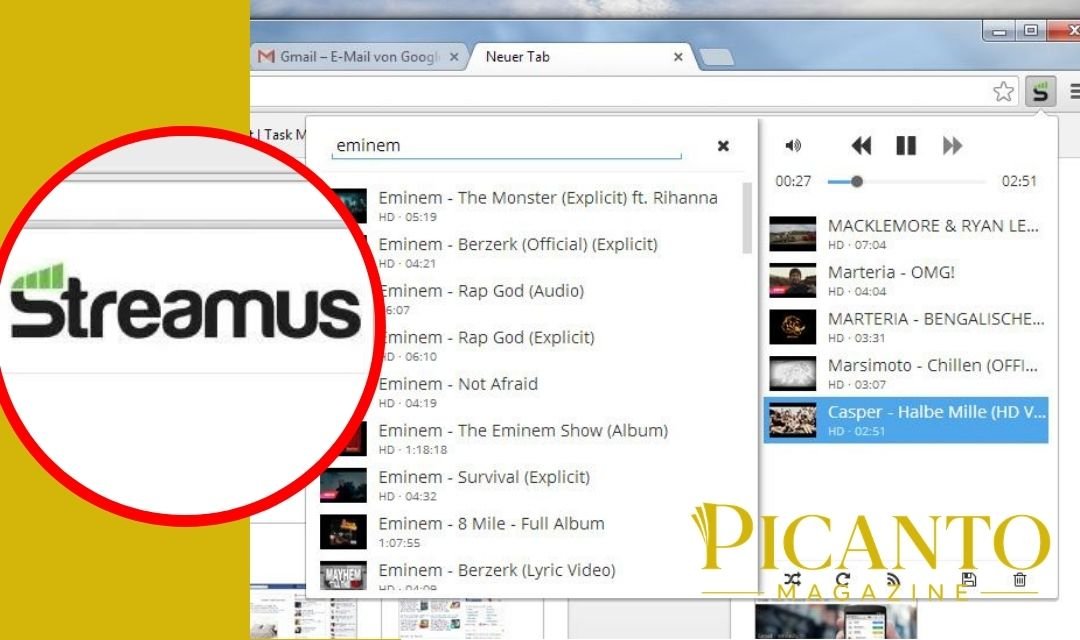
Streamus was a free, open-source Google Chrome extension that transformed YouTube into a simple music player inside the browser. Created by software developer Sean Anderson, Streamus allowed people to search for songs, build playlists, and listen while browsing other websites without keeping a normal YouTube video page open. The extension attracted hundreds of thousands of users, but its success ended suddenly in 2015 after a disagreement involving YouTube’s rules and access to its application programming interface.
Quick Overview of Streamus
| Detail | Information |
|---|---|
| Name | Streamus |
| Type | Chrome music-player extension |
| Developer | Sean Anderson |
| Original release | February 11, 2014 |
| Early development | Began before the official release |
| Main content source | YouTube |
| Price | Free |
| Licence | Apache open-source licence |
| Main purpose | Playing YouTube music inside Chrome |
| Popular features | Search, playlists, shortcuts and background listening |
| Reported users | Around 300,000 installs before shutdown |
| Shutdown | July 2015 |
| Current status | Discontinued |
| Official Chrome listing | No longer available |
| Connection to StreamUS.org | No confirmed connection |
What Was Streamus?
Streamus was a browser extension created to make listening to music from YouTube faster and easier.
A browser extension is a small programme added to a web browser. It can change how websites work or add new tools to the browser.
After installing Streamus, a user could open a compact music player from the Chrome toolbar. The extension searched YouTube and used videos as the source for its music.
This meant listeners did not need to keep opening new YouTube tabs. They could choose songs, organise them into playlists, and continue browsing other websites while the music played.
At the time, this felt extremely convenient. YouTube already contained an enormous music library, but its official website was designed mainly for watching videos rather than operating as a lightweight background music player.
Streamus tried to fill that gap.
Who Created Streamus?
Streamus was developed by Sean Anderson, an independent software developer based in California.
Anderson reportedly spent more than a year building and improving the extension. He also shared the project with online communities and asked users to provide feedback.
The software was open source, meaning its programming code was publicly available. Other developers could study the project and understand how it worked.
Streamus began as a relatively small personal project. Early users liked its speed and simple design, and positive online attention helped it grow.
Major technology publications later reported on the extension. This coverage introduced Streamus to thousands of new listeners searching for an easy alternative to traditional music-streaming programmes.
When Was Streamus Released?
Streamus was officially released on February 11, 2014, although Anderson had been developing and testing it before that date.
The extension entered the market during an important period for online music.
Spotify was expanding, YouTube was becoming one of the world’s biggest places for discovering songs, and users increasingly expected music to be available instantly.
However, YouTube Music had not yet developed into the complete service people recognise today.
Streamus offered a simple answer: use YouTube’s enormous library but place the controls inside a small, convenient Chrome extension.
How Did Streamus Work?
Streamus connected with YouTube through its application programming interface, commonly called an API.
An API allows one programme to request information or services from another programme. In this case, Streamus used YouTube’s system to search for videos and play their content through its own interface.
The process was simple for users:
- Install Streamus from the Chrome Web Store.
- Select the Streamus icon in the browser.
- Search for an artist, album, or song.
- Choose a result from YouTube.
- Add the song to a playlist or play it immediately.
- Continue browsing while listening.
The extension handled most of this activity without requiring a normal YouTube tab to remain visible.
Its clean design made it feel like a small music-streaming application built directly into Chrome.
Why Did People Like Streamus?
Streamus became popular because it removed several small frustrations.
Opening many YouTube tabs could make a browser look messy. Videos also used screen space when the listener only wanted the sound.
Streamus offered a compact player that stayed out of the way. It helped users focus on their work, reading, or online activity while enjoying music.
People also liked that it was free. They could search the large selection of music already available on YouTube without paying for a separate subscription.
Its popularity also came from timing. Many listeners wanted easy background playback before YouTube had fully developed its own dedicated music service.
Main Features of Streamus
Although Streamus looked simple, it offered several useful tools.
YouTube music search
Users could search YouTube’s library without opening the main video website.
Custom playlists
Listeners could collect favourite songs and organise them into playlists.
Background listening
The extension continued playing music while the user visited other websites.
Browser-toolbar controls
Streamus placed its player in Chrome, making play, pause, skip, and search controls easy to reach.
Keyboard shortcuts
Users could control important playback functions through their keyboards.
Omnibox integration
Chrome’s address bar is also called the Omnibox. Streamus allowed users to begin searches from this bar by typing its name and pressing the Tab key.
Playlist sharing
Users could create and share collections of songs with other people.
Beatport integration
The extension included some integration with Beatport, a platform especially popular among electronic-music listeners and DJs.
These features helped Streamus feel more complete than a basic YouTube shortcut.
Was Streamus Like Spotify?
Streamus was often described as a Spotify-style service, but the two products worked differently.
Spotify is a licensed music-streaming platform. It makes agreements with record companies, artists, publishers, and other rights holders.
Streamus did not operate its own large licensed music catalogue. It depended on videos already hosted by YouTube.
The Streamus interface made that content feel like a separate music library. Users could search, create playlists, and listen continuously, much as they might on Spotify.
However, its dependence on YouTube created a serious weakness. If YouTube changed its rules or removed Streamus’ access, the extension could no longer work properly.
That is exactly what eventually happened.
How Popular Did Streamus Become?
Streamus grew from a personal project into a widely discussed Chrome extension.
Early posts from its developer mentioned approximately 10,000 users. Technology coverage then introduced the extension to a much larger audience.
By the time it was removed in 2015, reports said it had reached around 300,000 installs.
That growth was impressive for a project created by one independent developer.
Users enjoyed the product enough to recommend it through technology forums, social platforms, and Chrome Web Store reviews.
Its success also showed that people wanted a lighter and easier way to turn YouTube into a music player.
Why Did YouTube Have a Problem With Streamus?
Streamus depended on YouTube, but its design did not fully match what YouTube wanted third-party applications to do.
Several issues were reported.
The extension focused on audio and did not show the normal YouTube video in the way the official website did. It also did not display the same advertising experience or clearly direct listeners back to the original video page.
YouTube earns money and supports creators partly through advertising. A third-party tool that plays content without the expected video page or adverts can interfere with that system.
YouTube’s API also comes with rules. Developers must follow those rules when building programmes that use YouTube’s data and content.
YouTube and Anderson reportedly communicated for several months about changes needed to keep Streamus available.
They were unable to reach a solution that allowed the extension to continue operating in its existing form.
When Was Streamus Shut Down?
Sean Anderson announced the shutdown in July 2015.
After months of discussion, YouTube revoked the API key used by Streamus. The extension was removed from the Chrome Web Store and stopped functioning as intended.
Reports place the final removal around July 14, 2015, following Anderson’s announcement on July 13.
The shutdown disappointed its large user community. Many listeners had organised playlists and made Streamus part of their daily routines.
Once its YouTube access disappeared, the main purpose of the extension disappeared with it.
Did YouTube Try to Buy Streamus?
Some reports and online discussions claimed that YouTube had shown interest in acquiring Streamus or hiring Anderson.
Anderson later stated that YouTube’s legal team shut down Streamus after he declined an employment-related opportunity connected with YouTube’s developing music plans.
The complete details of any private offer are not independently available.
It is therefore safer to say that discussions occurred between the developer and YouTube, but they did not lead to a deal that saved the extension.
The confirmed reason for the shutdown was Streamus’ inability to continue under YouTube’s API requirements.
Was the Streamus Shutdown Fair?
Opinions were divided.
Supporters believed Streamus was a clever and harmless tool that improved the YouTube listening experience. They argued that YouTube could have worked with the developer instead of ending a popular independent project.
From YouTube’s side, allowing an outside application to remove the normal video experience and advertising could create problems for creators, advertisers, and the platform’s business.
Both views highlight a common conflict in technology.
Independent developers often build exciting products on top of a larger platform. Their ideas can become popular quickly, but the larger company controls the data and technical access.
If the rules change, the smaller product may disappear overnight.
Could Streamus Continue Without YouTube?
Anderson considered possible ways to bring Streamus back.
One idea involved using another music or audio service, such as SoundCloud. However, alternative platforms had their own rules and restrictions.
Rebuilding Streamus around a different source would have required major technical changes. It would also have needed permission to access and play a large catalogue of music.
The original extension succeeded because YouTube contained almost every song users searched for. Finding another source with similar variety was difficult.
A fully independent version would also have needed licensing agreements, servers, legal support, and significant funding.
Streamus never returned as the same successful Chrome music player.
Is Streamus Still Available Today?
The original Streamus Chrome extension is discontinued.
It is no longer officially available through its old Chrome Web Store listing, and it cannot use its original YouTube API access.
Old copies of the extension’s code may still exist in online software archives or repositories. However, possessing the old code does not mean the service will work.
Modern Chrome versions have changed, YouTube’s systems have changed, and unsupported browser extensions can create security risks.
Users should not download random files claiming to restore Streamus.
Is It Safe to Download Streamus Now?
Installing unofficial versions is not recommended.
The original extension has not received normal security and compatibility updates for many years. An unknown website could also place harmful code inside a copied version.
A fake Streamus download might request access to:
- Browser history
- Open tabs
- Website data
- Login information
- Files on the device
- Personal messages
- Advertising settings
Only install browser extensions from trusted developers and official stores. Read the requested permissions before approving them.
Even an old open-source project can become unsafe when a stranger repackages and redistributes it.
Streamus and Copyright Questions
Streamus streamed content from YouTube rather than operating as an ordinary download service.
Still, it raised important questions about how music, advertisements, video pages, and creator payments should work.
When users listen through the official YouTube experience, advertisements and subscriptions can produce income. This money may be shared with eligible creators and rights holders.
A third-party player that changes or removes this experience can affect that system.
The Streamus story shows that technical possibility does not automatically equal platform permission. Developers must follow API terms, copyright rules, and licensing requirements.
Users should choose legal services that properly support the people who make the music they enjoy.
Is StreamUS.org the Same Service?
A website currently using the address StreamUS.org appears to offer VPN-related products and account services.
It should not automatically be confused with Sean Anderson’s discontinued music extension.
The names may look almost identical, especially when written without capital letters. However, the original Streamus was a Chrome extension that played music from YouTube.
A VPN is a different kind of service designed to route internet traffic through another server.
There is no clearly confirmed connection between the old music player and the current StreamUS.org service.
Users should examine exactly which website or application they are visiting before creating an account or making a payment.
Other Projects Using the Streamus Name
The Streamus name has been used by more than one online project.
A later start-up listing described a platform involving public watch parties, live-stream chat rooms, online music events, karaoke, and small group participation.
This appears separate from the original Chrome extension.
Names are sometimes reused when an earlier project closes. A new company may choose the same word without owning or continuing the original technology.
Whenever an article discusses Streamus, readers should check the date and description.
A 2014 article probably refers to the YouTube music extension. A later result may refer to a VPN, live-event platform, or unrelated service.
What Happened to Sean Anderson?
Sean Anderson continued working as a software engineer after Streamus closed.
His public developer profile still lists Streamus as an earlier project. The original source-code repository has also remained an important example of his programming work.
Although the shutdown was disappointing, creating a product that reached hundreds of thousands of users was a major achievement.
Streamus demonstrated Anderson’s ability to identify a user problem, build a useful solution, improve it through feedback, and manage rapid growth.
The experience also provided a hard lesson about depending on another company’s technology.
Lessons Developers Can Learn From Streamus
Streamus offers several valuable lessons for developers.
Follow platform rules from the beginning
A product built on an API must understand and follow that service’s terms.
Avoid depending on one provider
If one company controls all important data or content, it can shut down the product by removing access.
Plan for licensing
Music, films, books, and photographs may require permission even when they are already available online.
Build a business model
Free products can grow quickly, but servers, development, legal advice, and customer support cost money.
Communicate clearly with users
If a service must close, users need information about their accounts, playlists, and data.
Keep alternatives ready
A product should consider backup content sources or features that can survive a platform change.
Streamus was technically creative, but its future depended almost completely on YouTube.
Streamus Alternatives Today
The original Streamus is gone, but listeners now have many legal music options.
YouTube Music provides official access to songs, videos, playlists, recommendations, and background listening through supported plans.
Spotify, Apple Music, Amazon Music, Deezer, Tidal, and other platforms also offer licensed catalogues.
The best choice depends on price, location, sound quality, device support, and the music a listener enjoys.
Users searching for a Streamus replacement should look for:
- Legal access to music
- Clear subscription prices
- Offline listening options
- Good playlist tools
- Strong privacy controls
- Compatibility with their devices
- Fair support for artists
Avoid services that promise unlimited copyrighted music while hiding who operates them.
Why People Still Search for Streamus
Streamus disappeared more than a decade ago, yet people still remember it.
For former users, the name brings back a time when browser extensions could make large changes to familiar websites. The tool was simple, fast, and focused on one problem.
Technology researchers may also discover Streamus while studying discontinued applications, API disputes, or YouTube’s music history.
Other people find the name while searching for a current streaming service with a similar title.
Its story remains interesting because it combines innovation, quick growth, platform control, and sudden failure.
Could the Original Streamus Return?
A return under the original model is unlikely.
YouTube now has its own developed music service, and its rules do not encourage third-party tools to hide the normal video and advertising experience.
A new Streamus would need to follow current API requirements and music-licensing rules. It might also need to use official video playback rather than operating as an audio-only player.
The developer could use the name for a different project, but it would not be exactly the same extension users enjoyed in 2014 and 2015.
The old Streamus belongs mainly to internet history.
Final Thoughts
Streamus was a clever Chrome extension that made YouTube feel like a simple music-streaming service.
It allowed users to search for songs, create playlists, control playback, and listen while browsing other websites. Its lightweight design helped it reach approximately 300,000 installs.
However, the extension depended on YouTube’s API. YouTube believed important parts of Streamus did not follow its requirements, particularly around video display, links, and advertising.
After several months of discussion, YouTube revoked the extension’s access in July 2015. Streamus was removed from the Chrome Web Store and never returned in its original form.
Its shutdown disappointed users, but it also provided an important lesson: a small application built entirely on another company’s platform can disappear when that company changes or enforces its rules.
The original Streamus is not available today. People should avoid unofficial downloads claiming to restore it because old or modified extensions may be unsafe.
Despite its short life, Streamus remains a memorable example of a simple idea solving a real problem—and of how quickly a successful digital product can vanish.
Frequently Asked Questions
What was Streamus?
Streamus was a free Chrome extension that allowed users to play music from YouTube without keeping the normal video page open.
Who created Streamus?
Software developer Sean Anderson created the extension.
When was Streamus released?
It was officially released on February 11, 2014.
Was Streamus free?
Yes, the original Chrome extension was free and open source.
How did Streamus work?
It used YouTube’s API to search for videos and play their audio through a compact browser interface.
Could Streamus create playlists?
Yes. Users could create, organise, and share playlists.
How many people used Streamus?
Reports said it reached approximately 300,000 installs before its shutdown.
Why was Streamus removed?
YouTube revoked its API access after the extension could not meet the platform’s requirements.
When did Streamus shut down?
It was removed from the Chrome Web Store in July 2015.
Is Streamus still working?
No. The original extension is discontinued and no longer works as it once did.
Can I download the old Streamus extension?
Unofficial copies may exist, but installing them is not recommended because they may be outdated, modified, or unsafe.
Is Streamus legal?
The original extension faced problems with YouTube’s API terms. Modern users should choose authorised music services that follow licensing and platform rules.
Was Streamus owned by YouTube?
No. It was an independent project created by Sean Anderson.
Did YouTube buy Streamus?
No completed purchase has been confirmed. Discussions reportedly occurred, but Streamus was ultimately shut down.
Is StreamUS.org connected to the old extension?
No connection has been clearly confirmed. The current website appears to offer VPN-related services rather than the original YouTube music player.
Was Streamus like Spotify?
It offered Spotify-style searching and playlists, but it depended on YouTube videos instead of operating its own licensed music catalogue.
What are the best Streamus alternatives?
Official services such as YouTube Music, Spotify, Apple Music, Amazon Music, Deezer, and Tidal provide legal streaming options.
Could Streamus return?
A return in its original form is unlikely because YouTube’s technology, rules, and official music services have changed greatly.
For more info, visit picantomagazine.com.