
Electricity supports almost every part of a modern property, from lighting and appliances to heating equipment, electronics, security systems, and charging devices. When something goes wrong, or when electrical improvements become necessary, choosing an experienced electrician London Ontario property owners can consult is an important step toward addressing the work correctly.
Electrical needs vary considerably between properties. An older home may require upgrades, while a newer building could need additional circuits because technology has increased electrical demand.
Electrical Systems Change With the Property
A building’s electrical requirements rarely remain unchanged forever.
Families purchase new appliances. Home offices add computers and monitors. Renovations change room layouts. Businesses introduce equipment that places additional demand on circuits.
As these changes accumulate, electrical infrastructure may need to be evaluated.
Older Wiring Deserves Attention
Older properties can contain electrical components installed for a very different era of electricity consumption.
Modern households frequently operate far more electronic devices than homes did decades ago. Therefore, existing circuits and panels should be assessed when significant renovations or equipment additions are planned.
An electrician can determine whether electrical modifications are appropriate for the intended use.
Common Reasons to Call an Electrician
Not every electrical concern involves a complete loss of power.
Repeatedly tripping breakers are one common reason for professional troubleshooting. Other signs include flickering lights, switches that stop functioning, dead outlets, unusual electrical sounds, or components that become unexpectedly warm.
These symptoms may indicate problems that require investigation.
Rather than repeatedly resetting circuits, professional testing can identify what is causing the interruption.
Renovations Require Electrical Planning
Renovating a kitchen, basement, bathroom, office, or other area usually involves more than visual improvements.
New layouts can change where outlets, lighting, switches, and appliances need to be positioned.
Electrical planning should happen early so wiring requirements can be coordinated with the rest of the renovation.
Property owners seeking assistance can consult a local electrical professional when discussing planned electrical improvements.
Plan Around How the Room Will Be Used
Electrical design becomes more practical when it reflects everyday activities.
For example, an office may need multiple conveniently positioned outlets, while a kitchen can have several appliances requiring appropriate electrical connections.
Thinking about furniture, appliances, equipment, and lighting before installation helps create a functional arrangement.
Electrical Panels and Circuit Capacity
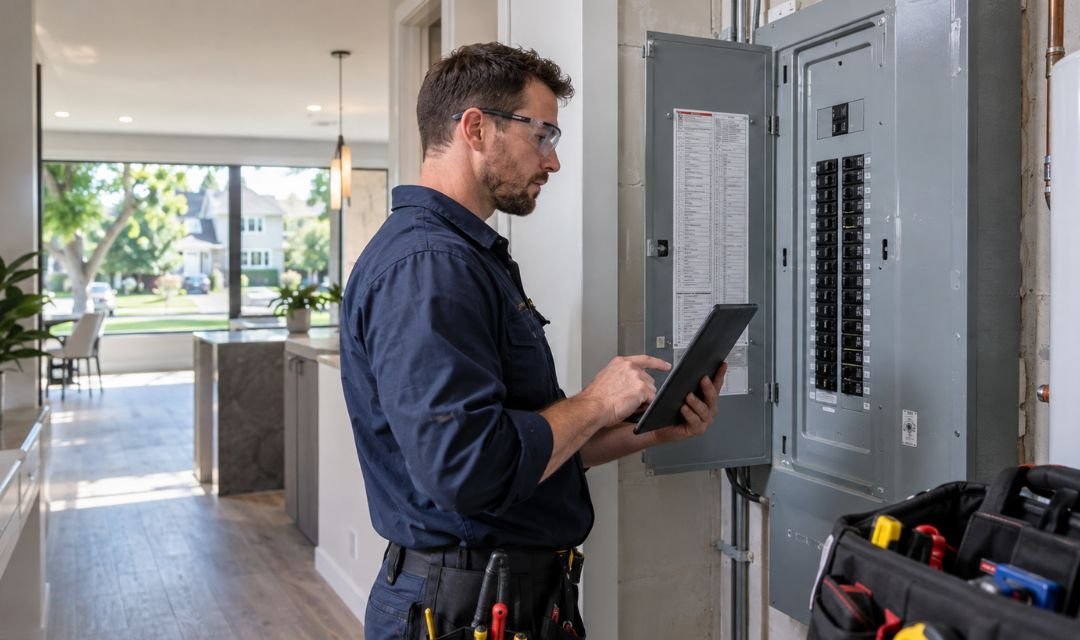
The electrical panel distributes electricity throughout a property.
When new electrical equipment is introduced, available capacity becomes an important consideration. Adding devices without understanding existing electrical demand can create problems.
An electrician can evaluate the panel and determine how proposed additions should be integrated.
Dedicated Circuits
Some equipment may require dedicated circuits rather than sharing electricity with multiple devices.
This can help prevent unnecessary overloading and allow the electrical system to support equipment appropriately.
The requirements depend on the equipment and existing electrical configuration, making professional evaluation important.
Lighting Can Transform Functionality
Lighting affects much more than appearance.
Poorly positioned fixtures can leave work areas difficult to use, while unnecessary lighting can consume electricity without improving functionality.
Electrical renovations provide an opportunity to reconsider fixture locations, controls, and how individual rooms are illuminated.
A well-planned arrangement can provide suitable lighting where it is actually needed.
Outdoor Electrical Needs
Electrical systems extend beyond interior rooms.
Exterior lighting, outdoor outlets, garages, sheds, and other areas may also require electrical work.
Outdoor installations face different environmental conditions than indoor systems, so appropriate components and installation practices are essential.
Damaged exterior outlets or electrical fixtures should also be inspected rather than ignored.
Make Electrical Safety Part of Routine Property Care
Electrical components should not be treated as completely maintenance-free.
Homeowners and property managers can watch for damaged covers, loose outlets, unusual sounds, overheating, or recurring electrical interruptions.
Any significant change in electrical behavior deserves attention.
Avoid Temporary Workarounds
Temporary solutions can become permanent habits surprisingly easily.
Extension cords, overloaded power strips, or repeatedly reset breakers may indicate that the property needs a more appropriate electrical solution.
Instead of adapting daily routines around an electrical limitation, professional evaluation can determine whether changes are needed.
Prepare for Future Electrical Demand
Technology continues to influence electricity consumption.
Property owners may eventually add charging equipment, upgraded appliances, entertainment systems, workshops, home offices, or other electrical loads.
Considering possible future requirements during today’s electrical projects can reduce the need for repeated modifications.
Conclusion
Choosing an electrician London Ontario property owners can rely on involves considering more than immediate repairs. Electrical systems should support how a building is used today while remaining adaptable to future needs.
Professional troubleshooting, thoughtful renovation planning, appropriate circuit design, and ongoing electrical awareness can help properties maintain reliable and functional electrical systems. Addressing warning signs early also prevents minor concerns from becoming unnecessary disruptions.