
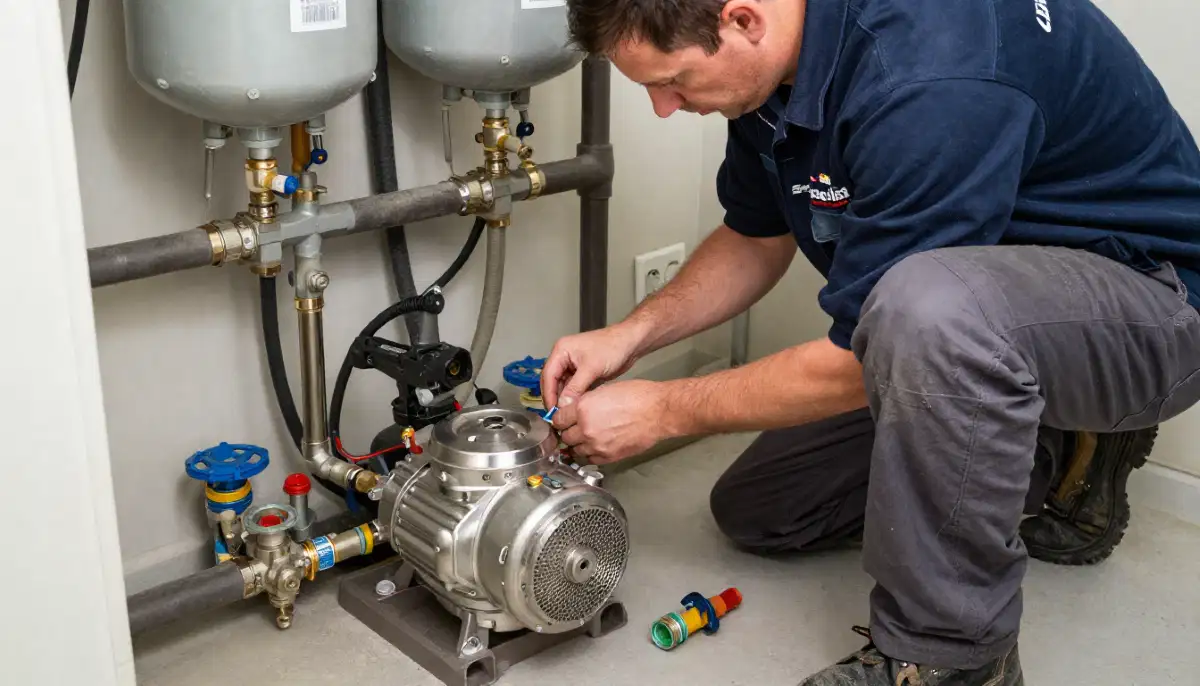
When faucets trickle and showers feel weak, it is tempting to assume a major plumbing failure. In many cases, though, low water pressure begins with a small restriction at one fixture or a partially closed valve. With a few careful checks, homeowners can pinpoint whether the issue sits at the sink, along a branch line, or at the main. This diagnostic walkthrough explains safe, practical steps: clearing clogged aerators, checking cartridges and angle stops, verifying the main shutoff, understanding the pressure-reducing valve (PRV), and recognizing red flags like aging galvanized piping or a possible slab leak. The goal is to help you gather the right evidence before scheduling service, so any repair is faster, targeted, and avoids guesswork.
-
Start at the Fixture: Aerators, Showerheads, and Supply Hoses
If only one sink has weak flow, unscrew the faucet aerator and inspect the small screen for grit or flakes. Rinse it under running water; for visible mineral buildup, soak the parts in white vinegar to loosen deposits. Next, check the braided supply hoses under the sink for sharp bends or kinks, and confirm the hot and cold angle stop valves are fully open. At a shower, remove the showerhead and test pressure with the head off; a strong stream from the bare arm points to a clogged head rather than a pipe problem. If these fixture-level checks don’t restore normal flow, a trusted local resource such as Reliable Plumbers in Edmond, OK can help you decide whether the restriction is inside the valve body or farther upstream.
-
Room-Wide or Whole House? Isolating the Branch
Identify the pattern. If a bathroom sink and shower are both weak while the kitchen remains strong, the issue likely sits on that bathroom branch. Sediment can clog a faucet cartridge or a tub or shower mixing valve, especially after utility work or a water heater flush that stirs debris. Remove the faucet handle to access the cartridge, then check the inlet screens. If you are comfortable, clean the parts carefully and reinstall. If every fixture in the house is weak, skip fixture-level disassembly and move to the main supply checks.
Two quick comparisons can sharpen your diagnosis. First, open an outdoor hose bibb; if pressure there feels normal while indoor fixtures are weak, suspect interior restrictions like partially closed angle stops or clogged cartridges. Second, run only cold water at a sink, then only hot water; if hot is weaker, sediment at the water heater outlet or a clogged heat trap nipple may be restricting hot water flow.
-
Verify the Main Shutoff and the Pressure Reducing Valve (PRV)
Your main shutoff is commonly a ball valve with a lever handle or an older gate valve with a wheel. A ball valve is fully open when the handle is in line with the pipe; even a slight misalignment can reduce flow. Gate valves can fail internally and restrict flow even when turned correctly. Open and close the main slowly to avoid water hammer, and never force a stiff valve. If the valve is corroded or frozen, stop and call a professional rather than risking a break.
Many homes have a bell-shaped PRV on the main line. Its job is to reduce street pressure to a safer indoor level. A failing PRV can cause chronically low pressure or pressure that surges and falls. Avoid cranking the PRV adjustment without a gauge; setting it too high can stress aging supply lines and toilet fill valves. A simple hose bibb gauge can show static pressure when no water is running and dynamic pressure when a faucet is open. If static pressure is healthy but dynamic pressure collapses when you open a fixture, you may have a restriction between the meter and the affected fixtures, or a failing PRV that cannot keep up with demand.
-
When Falling Pressure Signals Something Bigger: Leaks, Galvanized Pipe, or a Clogged Meter Screen
Restrictions are not the only culprit. A concealed leak can rob pressure as water escapes the system. With all fixtures off, watch the water meter; if its low-flow indicator spins, water is moving where it shouldn’t. Warm spots on a slab floor, a hissing you cannot locate, or a constantly running well pump (if applicable) point to a line leak that needs prompt attention. In that scenario, keep testing minimal to prevent damage and make the home safe by shutting off the main if needed.
Older galvanized steel piping is another pressure killer. As galvanized pipe corrodes from the inside, the bore narrows and sheds rust flakes that lodge in aerators, cartridges, and showerheads. You might clear a fixture today only to see it clog again next week. The tradeoff is clear: repeated cleanings offer short-term relief, but repiping sections with copper or PEX delivers consistent pressure and fewer fixture clogs over time. Also consider a meter screen or a whole-house sediment filter. If your home has a filter canister on the main, a clogged cartridge can mimic low pressure throughout the area; replace it as directed by the manufacturer and retest.
Calling for Help: What to Document and How to Prevent a Repeat
When it is time to schedule service, a few details speed the visit. Note whether the problem affects the entire house or is isolated to certain rooms, whether hot water pressure differs from cold, and the time of day issues appear. Take a photo of the main shutoff, PRV, and any whole-house filter. If you used a hose bibb gauge, write down static and dynamic readings and where you measured them. Share any meter observations, like a spinning low-flow indicator with all fixtures off. This information helps a plumber go straight to the most likely restriction instead of starting from scratch.
To reduce future pressure problems, periodically clean faucet aerators and showerheads, and consider flushing sediment from the water heater per the manufacturer’s instructions. Replace aging angle stop valves that no longer open fully. If debris keeps showing up after utility work, a properly sized sediment prefilter on the main can protect cartridges and aerators. Finally, resist the quick fix of over-tightening a PRV adjustment for stronger showers. Higher-than-needed pressure can trigger water hammer, open relief valves at the water heater, and stress old supply lines. Accurate diagnosis and measured adjustments preserve pressure and plumbing components long term.