
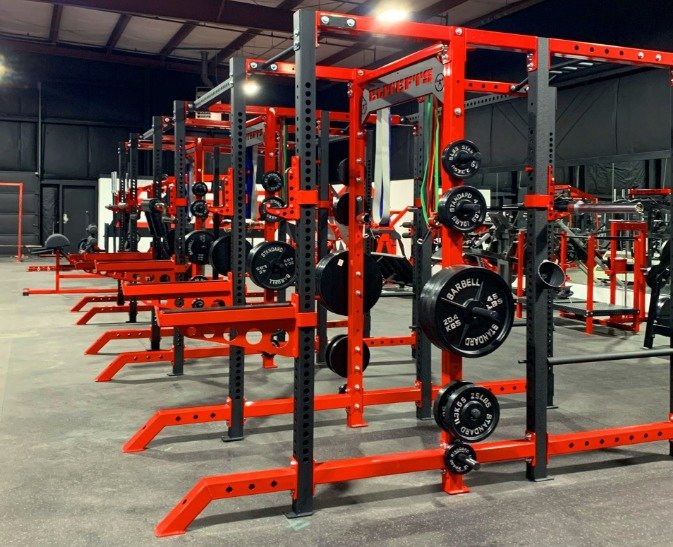
Gym culture varies considerably across the United States. In some cities, fitness revolves around high-end facilities, specialized training programs, and social media trends. In others, gyms serve as neighborhood gathering places where members build relationships, establish routines, and work toward long-term health goals.
Cincinnati offers an interesting combination of these approaches. The city’s established neighborhoods, strong community identity, and mix of traditional gyms, boutique studios, and personal training facilities create a fitness environment that can feel different from those in larger metropolitan markets.
For someone considering joining a gym in Cincinnati, understanding the local fitness culture can make the decision easier. The right gym should offer more than equipment and convenient operating hours. It should provide an environment where members feel comfortable, supported, and motivated to maintain a consistent routine.
Cincinnati’s Gym Culture Is Rooted in Community
One of the defining characteristics of Cincinnati is its strong neighborhood identity. Residents often associate closely with communities such as Hyde Park, Oakley, Anderson Township, West Chester, and Downtown Cincinnati.
That neighborhood connection can influence how people approach fitness.
Rather than selecting a gym based exclusively on its brand recognition or size, many Cincinnati residents consider how a facility fits into their daily lives. Proximity to home, familiar faces, convenient class schedules, and relationships with trainers can all influence membership decisions.
Smaller gyms and personal training studios can be especially effective at creating this sense of community. Members may see the same people several times each week, participate in recurring classes, and develop relationships with instructors who understand their individual goals.
This environment can create a level of accountability that extends beyond simply paying for a membership.
While community-focused gyms exist throughout the country, Cincinnati’s neighborhood structure provides a natural foundation for facilities that emphasize personal relationships and member engagement.
How Cincinnati Gym Culture Compares With Major U.S. Cities
The differences between Cincinnati and other fitness markets are not absolute. Every major city has traditional gyms, independent studios, personal trainers, and specialized fitness communities.
However, local geography, population density, commuting patterns, and lifestyle preferences can influence which types of fitness experiences are most convenient and appealing.
| City or market | Common fitness culture characteristics |
| Cincinnati | Neighborhood-focused facilities, personal training, traditional gyms, and community-based classes |
| Los Angeles | Strong visibility of boutique fitness, outdoor exercise, specialized training, and fitness-oriented lifestyle brands |
| New York City | Convenient, time-efficient workouts, boutique studios, and facilities suited to dense urban living |
| Miami | Prominent outdoor fitness, strength training, group classes, and wellness-oriented social experiences |
| Chicago | A combination of neighborhood gyms, large fitness clubs, boutique studios, and seasonal indoor training |
| Denver | Strong connections between gym training, outdoor recreation, hiking, cycling, and endurance activities |
These are broad market characteristics rather than measured rankings of gym culture. Individual facilities within each city may offer very different experiences.
For Cincinnati residents, the practical advantage is variety. Someone who prefers a large commercial gym can find that experience, while someone who values coaching and smaller groups can explore independent training facilities.
Personal Relationships Play an Important Role in Cincinnati Gyms
The relationship between gym members and fitness professionals can significantly influence the overall workout experience.
At larger commercial gyms, members frequently exercise independently. They arrive, complete their workouts, and leave without necessarily interacting with trainers or other members.
Smaller personal training gyms often operate differently.
Trainers may become familiar with each member’s exercise history, fitness goals, schedule, and progress. Group classes can also create opportunities for members to encourage one another and develop lasting relationships.
For beginners, these interactions can be particularly valuable.
Walking into an unfamiliar gym can feel intimidating, especially when someone has limited experience with exercise equipment or structured training programs. A welcoming environment can help reduce that uncertainty.
In Cincinnati, where many gyms serve specific neighborhoods and surrounding communities, building these relationships can become an important part of the membership experience.
The strongest fitness communities make participation accessible to people with different experience levels, rather than expecting everyone to arrive with the same abilities or goals.
Group Fitness Creates a Strong Sense of Belonging
Group fitness has become an important part of the American exercise industry, and Cincinnati offers opportunities for people who prefer working out alongside others.
Group training can include strength and conditioning, indoor cycling, yoga, Pilates, functional fitness, and other instructor-led workouts.
These programs offer several advantages beyond the physical exercise itself.
Members benefit from scheduled workout times, professional instruction, and opportunities to interact with people who have similar goals. Regular participation can also make fitness feel like a recurring social commitment rather than an isolated activity.
Cincinnati’s community-oriented fitness culture extends beyond traditional gym facilities.
For example, the city’s running community includes organizations such as the Avondale Running Club, which has operated for decades, and newer groups such as Cincy Run Club. These organizations demonstrate how shared physical activity can connect people across different backgrounds and experience levels.
Avondale Running Club+1
This culture of participation can also influence expectations inside local gyms. Members who enjoy group activities may prioritize facilities with consistent class schedules, welcoming instructors, and opportunities to build friendships.
Cincinnati’s Fitness Culture Extends Beyond the Gym
Another important characteristic of Cincinnati’s fitness environment is the connection between indoor training and outdoor recreation.
The region offers parks, walking trails, cycling routes, and organized running events that encourage residents to remain active outside traditional fitness facilities.
The Cincinnati Parks + Rec for Wellness initiative is one example. According to the Cincinnati Parks Foundation, the program hosted more than 350 free wellness and fitness sessions across 33 parks during its first year, engaging more than 12,000 participants.
Cincinnati Parks Foundation+1
These activities demonstrate that Cincinnati’s fitness culture includes opportunities for people who may not be interested in conventional gym memberships.
For local gym members, outdoor recreation can complement structured training.
Someone preparing for the Flying Pig Marathon might use a gym for strength training while completing endurance workouts outdoors. Another person might attend indoor fitness classes during the winter and participate in neighborhood walks or outdoor yoga during warmer months.
Compared with cities where year-round outdoor exercise is easier because of the climate, Cincinnati residents must account for seasonal weather changes. Indoor gyms can provide a consistent training environment during cold winters, humid summers, and periods of unpredictable weather.
Different Cincinnati Neighborhoods Offer Different Fitness Experiences
Cincinnati’s geography creates several distinct fitness markets, each serving residents with different schedules, preferences, and training needs.
Hyde Park and Oakley
These East Side neighborhoods offer a mix of boutique fitness studios, personal training facilities, and traditional gyms.
Residents balancing professional responsibilities, family schedules, and social activities may appreciate structured classes or appointments that make exercise easier to incorporate into their routines.
Downtown Cincinnati and Over-the-Rhine
Downtown fitness facilities can appeal to professionals who prefer exercising before work, during lunch, or immediately after leaving the office.
Convenience, class duration, and accessibility may play particularly important roles in these membership decisions.
Anderson Township and the Eastern Suburbs
In areas such as Anderson Township, Mount Washington, and nearby East Side communities, gym selection often involves balancing travel time with family and work commitments.
Facilities offering personal training, group workouts, and predictable schedules can be appealing to residents seeking a consistent weekly routine.
West Chester, Mason, and Northern Suburbs
Suburban fitness markets often serve people who travel between home, work, schools, and other responsibilities.
Larger gyms, specialized training facilities, and scheduled fitness programs provide different options depending on whether someone wants independent workouts or additional coaching.
Northern Kentucky
Communities such as Covington, Newport, Florence, and Fort Thomas contribute to the broader Greater Cincinnati fitness market.
Residents may choose facilities on either side of the Ohio River based on commuting patterns, membership offerings, and personal preferences.
Across these neighborhoods, the most important consideration is how comfortably a gym fits into someone’s existing lifestyle.
Is Cincinnati Gym Culture More Beginner-Friendly Than Other Cities?
Cincinnati offers numerous opportunities for beginners, but it would be inaccurate to assume that every local gym is more welcoming than facilities elsewhere in the country.
A beginner-friendly gym is defined by its approach to instruction, member support, and accessibility rather than its geographic location.
Some of the most important characteristics include clear onboarding procedures, approachable trainers, appropriate exercise modifications, and an atmosphere that respects different fitness levels.
For someone who has never joined a gym, a smaller training facility may provide additional structure through scheduled sessions and personalized guidance.
However, larger commercial gyms can also offer welcoming environments, beginner classes, and personal training services.
The key is finding a facility where questions are encouraged, expectations are clearly communicated, and progress is measured according to individual goals.
The Role of Accountability in Cincinnati Fitness Communities
Consistency is one of the biggest challenges people face when beginning a workout routine.
Busy schedules, changing motivation, family obligations, and uncertainty about exercise programs can make it difficult to maintain regular attendance.
Accountability can help address these challenges.
In a community-focused gym, accountability might come from a trainer who tracks progress, an instructor who recognizes regular participants, or a group of members who attend the same weekly classes.
These relationships can create an additional reason to continue exercising, particularly during periods when motivation decreases.
For Cincinnati residents, a gym that offers structured accountability may be more useful than one with extensive equipment but limited personal interaction.
However, accountability should remain supportive. Effective trainers help members develop sustainable routines without creating unnecessary pressure or unrealistic expectations.
How to Find a Cincinnati Gym That Matches Your Personality
Understanding local gym culture is useful, but selecting the right facility ultimately requires evaluating the actual member experience.
Before committing to a membership, prospective members should consider several questions.
- What is the overall atmosphere? Does the facility feel welcoming, competitive, relaxed, or highly structured?
- How involved are the trainers? Are instructors available to answer questions, explain equipment, and help members progress?
- What types of members attend? Does the environment accommodate beginners, experienced athletes, older adults, and people with different fitness goals?
- Are there opportunities for community? Does the gym offer recurring classes, group training, or member activities?
- How convenient is the location? Can workouts realistically fit into a normal workday or family schedule?
- What accountability is available? Are there scheduled sessions, progress evaluations, or other ways to maintain consistency?
Visiting a gym during the hours someone expects to exercise can provide valuable insight into its culture.
A facility may feel very different during a quiet afternoon compared with a busy weekday morning or evening.
Prospective members should also consider trying a class or introductory training session before signing a long-term agreement.
Why Gym Culture Matters for Long-Term Fitness Success
Equipment, pricing, and location are important considerations when choosing a gym. However, the overall environment can influence whether someone enjoys attending and continues exercising over time.
A gym with a supportive culture can make it easier to ask questions, learn new exercises, and develop confidence.
For some people, that environment includes a large facility with plenty of independence. For others, it means a small group of familiar members and trainers who provide consistent guidance.
Neither approach is universally better.
The most effective fitness environment is one that matches an individual’s goals, experience, schedule, and preferences.
This is particularly relevant in Cincinnati, where the variety of neighborhood gyms, personal training studios, and group fitness programs gives residents multiple ways to establish an exercise routine.
Frequently Asked Questions About Cincinnati Gym Culture
What makes gym culture in Cincinnati different?
Cincinnati’s gym culture is influenced by its established neighborhoods, community organizations, and variety of fitness facilities. Residents can choose between large commercial gyms, independent training studios, and group fitness programs. The city’s active running and outdoor wellness communities also contribute to its broader fitness environment.
Are Cincinnati gyms welcoming to beginners?
Many Cincinnati gyms offer beginner-friendly programs, introductory sessions, and personal training. However, the experience varies by facility. Beginners should visit potential gyms, meet instructors, and ask about onboarding before purchasing a membership.
Are smaller gyms better for building community?
Smaller gyms can make it easier to develop relationships with trainers and other members because participants frequently attend the same sessions. Larger gyms can also create strong communities through recurring classes, training groups, and organized activities.
What type of gym is best for someone new to fitness?
A gym offering clear instruction, accessible equipment, supportive staff, and a convenient schedule is generally a good starting point. Beginners who prefer additional guidance may benefit from personal training or small-group classes.
Final Thoughts: Cincinnati Offers a Fitness Culture Built Around Choice and Connection
Cincinnati’s fitness culture reflects many of the qualities that define the city itself: established neighborhoods, community involvement, and a wide variety of lifestyles.
Although larger metropolitan markets may have different concentrations of boutique studios, specialized training facilities, or outdoor fitness experiences, Cincinnati offers its own combination of traditional gyms, personal training, and community-based exercise opportunities.
For residents considering a gym membership, the most important decision is finding an environment that encourages consistent participation and supports personal progress.
Exploring several gyms in Cincinnati, meeting their trainers, and experiencing their atmosphere firsthand can help prospective members identify a facility that feels like a natural part of their weekly routine.
The right gym culture can turn exercise from an occasional activity into a sustainable commitment to long-term health.