
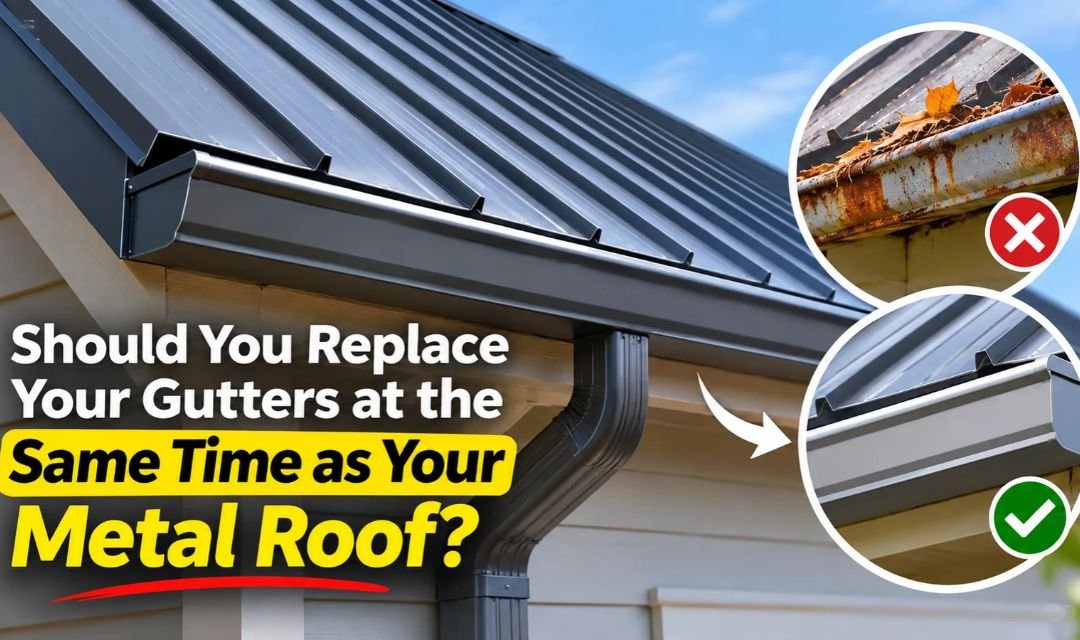
Replacing a metal roof is a good time to have the gutters checked, but it does not automatically mean they need replacing. Gutters that are secure, free from serious corrosion and draining properly can often remain in place. The decision should come down to their condition, compatibility and performance.
An experienced metal roofer Sydney should inspect the gutters and fascia before preparing the quote. That gives the owner a chance to compare the cost of keeping them, repairing a few sections or replacing them while access and labour are already being organised.
When the Existing Gutters Can Stay
Gutters may have years of service left if they are securely fixed, free from serious corrosion and draining correctly. The joints should not leak, the gutter should fall towards the outlets and water should not sit in low sections after the rain has stopped. The fascia behind the gutter also needs to be sound. A gutter can look acceptable from the ground while hiding rusted metal fascia or soft timber along the back edge. The roofer should check the brackets, fixings and connection between the roof and gutter, then confirm that the existing profile will work with the new roof details. Faded colour is a cosmetic issue and does not mean the drainage system has stopped doing its job.
When Replacing Both Makes Sense
Replacement may be worth considering when the gutters are already leaking, sagging or showing widespread rust. Repeated overflow can indicate blocked outlets, poor fall or a system that is too small for the roof area and local rainfall. Installing a new roof without addressing those issues means the same drainage problems may continue after the roofing work is finished.
The timing can also make practical sense. Scaffolding, edge protection and trades are already being arranged for the roof, so including gutters may avoid setting everything up again a few years later. Removing them can provide clear access to repair damaged fascia and install the new roof edge properly. It should still be priced as a separate part of the quote so the homeowner can see what the decision adds to the job.
Check the Whole Drainage Route
The gutter is only one part of the drainage system. Water still needs to move through outlets and downpipes, then reach the stormwater system or rainwater tank. Larger gutters will achieve little if the downpipes are badly positioned or partly blocked. Valleys and roof sections that send a large amount of water towards one point also deserve attention during the assessment. Material compatibility matters as well. Rainwater should not flow from one metal onto another material that can react with it and encourage corrosion. Using compatible roof, gutter, fascia, fasteners and sealants helps the system age properly, particularly where an older component is being kept beside new coated steel.
Ask for the quote to state whether the gutters, fascia and downpipes are being retained, repaired or replaced. It should also identify any work that cannot be confirmed until the old roof edge is opened. That allows the homeowner to compare the options properly rather than assuming that every part must be replaced or retaining the existing gutters without checking their condition.