
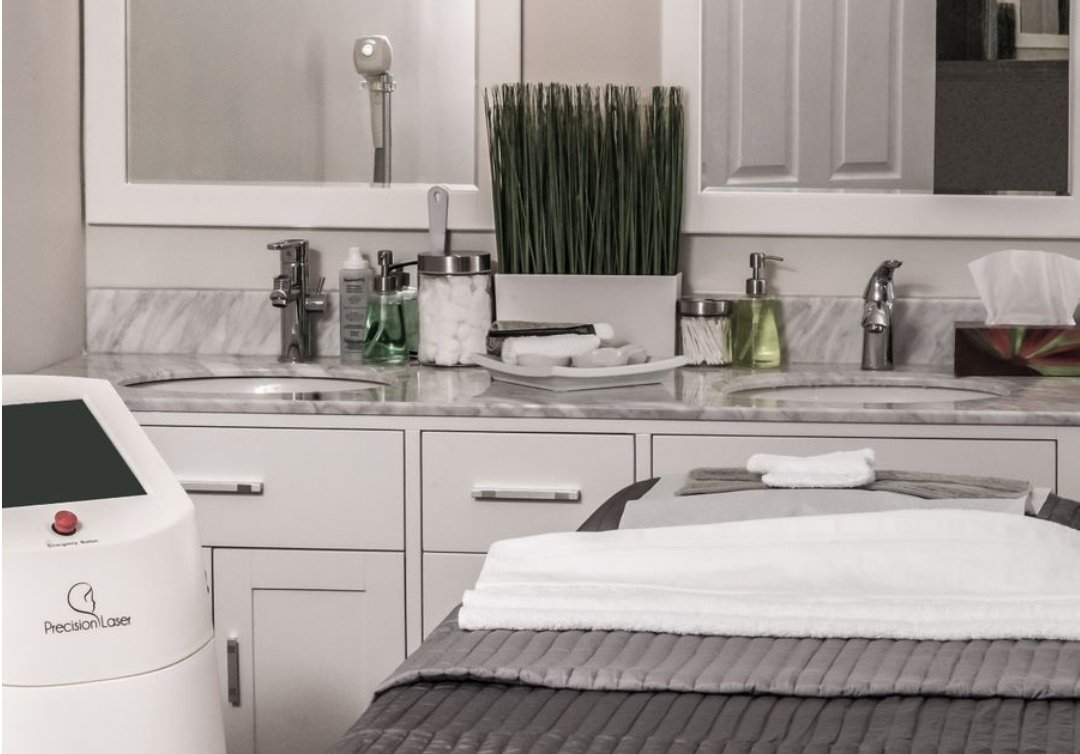
If you’re thinking about booking your first med spa treatment, you’re not alone. Roswell has become a popular spot for aesthetic services, with a mix of suburban convenience and high-end wellness options that attract people who want results without making the process feel clinical or intimidating. Still, flashy before-and-after photos can blur the line between smart self-care and impulsive spending, so it helps to know what you’re actually walking into before you book.
Understand what a med spa actually does
A med spa sits in the space between a day spa and a medical office. You’re not just showing up for cucumber water and soft music, though you may get both. You’re usually there for treatments that affect your skin, facial volume, texture, or body contours in ways that need medical oversight.
That can include Botox, fillers, chemical peels, microneedling, laser treatments, and medical-grade facials. Some locations also offer hormone support, weight-loss services, or wellness injections. The menu can look harmless at first glance, but these are still procedures with risks, downtime, and real biological effects.
Your goal should be simple: know whether you want relaxation, correction, prevention, or maintenance. Those aren’t the same thing, and med spas often serve all four.
Learn the difference between hype and qualifications
A polished Instagram page can make almost any treatment look foolproof. Real life is less filtered. Before you book anything, look at who owns the practice, who performs the treatments, and whether there’s medical supervision on site. Credentials matter a lot more than ring lights.
You’ll want to check whether the injector is a nurse practitioner, physician assistant, registered nurse, or physician, and what their training looks like for the treatment you want. Experience with facial anatomy is especially important for injectables.
If you’re comparing local options, pay attention to consultation quality and treatment philosophy. The best Roswell Med Spa will have professionals who will be able to explain what they offer, what fits your goals, and what they’d recommend against. That last part says a lot.
Ask better questions during the consultation
A consultation shouldn’t feel like a sales pitch dressed in a lab coat. It should help you understand what a treatment can realistically do, how long results last, what recovery looks like, and what it will cost over time. If the answers sound vague, keep your wallet in your bag.
Bring questions such as:
– Who will perform the treatment?
– How often do you do this procedure?
– What are the most common side effects?
– What happens if I don’t like the result?
– How many sessions will I actually need?
– What should I avoid before and after treatment?
You should also mention allergies, medications, past cosmetic procedures, skin sensitivity, and any history of cold sores or pigmentation issues. Those details can affect whether a treatment is safe for you.
Match the treatment to your real goal
A lot of people book the trend instead of the treatment they need. That’s how you end up paying for something popular that doesn’t solve your actual concern. If your skin looks dull, for example, filler may not help much. If your issue is volume loss, a basic facial won’t magically turn back time.
Try to describe the concern, not just the treatment name. Say you’re bothered by acne scars, uneven tone, forehead lines, or sagging around the jaw. That gives the provider a clearer starting point.
Common goals and matching treatments often look like this:
– Fine lines: neuromodulators such as Botox
– Texture and acne scars: microneedling or lasers
– Pigmentation: chemical peels or laser treatments
– Facial volume loss: dermal fillers
– Skin laxity: radiofrequency or collagen-stimulating treatments
Precision beats trend-chasing almost every time.
Pay attention to safety, downtime, and aftercare
Even low-downtime treatments can interrupt your week if you don’t plan properly. Injectables can bruise. Peels can cause flaking. Lasers can leave you red and sun-sensitive. Microneedling can make your skin look like it had a strong opinion and expressed it.
Ask for clear aftercare instructions before treatment day. You’ll want to know when you can work out, wear makeup, sit in the sun, drink alcohol, or use active skincare ingredients like retinol and exfoliating acids.
Safety also includes sanitation, emergency protocols, and whether the practice takes your medical history seriously. A clean treatment room is the bare minimum, not a luxury feature. If you feel rushed, dismissed, or pushed toward add-ons you didn’t ask about, that’s useful information.
Good results depend on what happens after the appointment almost as much as what happens during it.
Be realistic about cost and maintenance
Cosmetic treatments rarely work as one-and-done purchases. That low introductory price can be the first step in a longer commitment, especially for treatments that require a series or regular upkeep. You don’t need to fear that, but you do need to budget with open eyes.
For example, neurotoxins often need maintenance every few months. Certain lasers and microneedling plans work best in a package. Skincare products recommended afterward may also become part of the cost. The treatment itself may be only one line item.
Ask for a full picture:
– Price per session
– Number of sessions likely needed
– Maintenance schedule
– Refund or cancellation policy
– Cost of aftercare products
A trustworthy provider won’t dodge these numbers. Looking refreshed should feel satisfying, not like discovering a subscription you forgot to cancel.
Choose a provider who treats your face like your face
The best med spa experience feels personalized, not templated. Your bone structure, skin tone, age, lifestyle, and goals all affect what makes sense for you. A provider who tries to give everyone the same lips, cheek volume, or skincare routine is treating aesthetics like fast food.
Look for someone who listens carefully and explains options without pressure. The right provider should be willing to say no, suggest less, or recommend waiting. That kind of restraint is often a sign of confidence and skill.
You should leave the consultation understanding your options better than when you walked in. Not confused. Not rushed. Not weirdly convinced you suddenly need six syringes and a membership plan.
When you choose carefully, med spa treatments can be a useful tool for confidence, prevention, and skin health. The key is going in informed, asking smart questions, and making decisions based on your own goals instead of someone else’s highlight reel.