
The wedding day stands out as one of the few monumental life events where there is zero room for a second take. When couples book a professional for their celebration, they often imagine someone simply holding a camera and pressing a shutter button during key moments. In reality, modern wedding coverage requires a deeply versatile skill set that spans several distinct artistic and technical disciplines. Anyone stepping into this profession quickly discovers that success relies on mastering much more than basic photography principles.
The Many Hats Worn Throughout a Single Shift
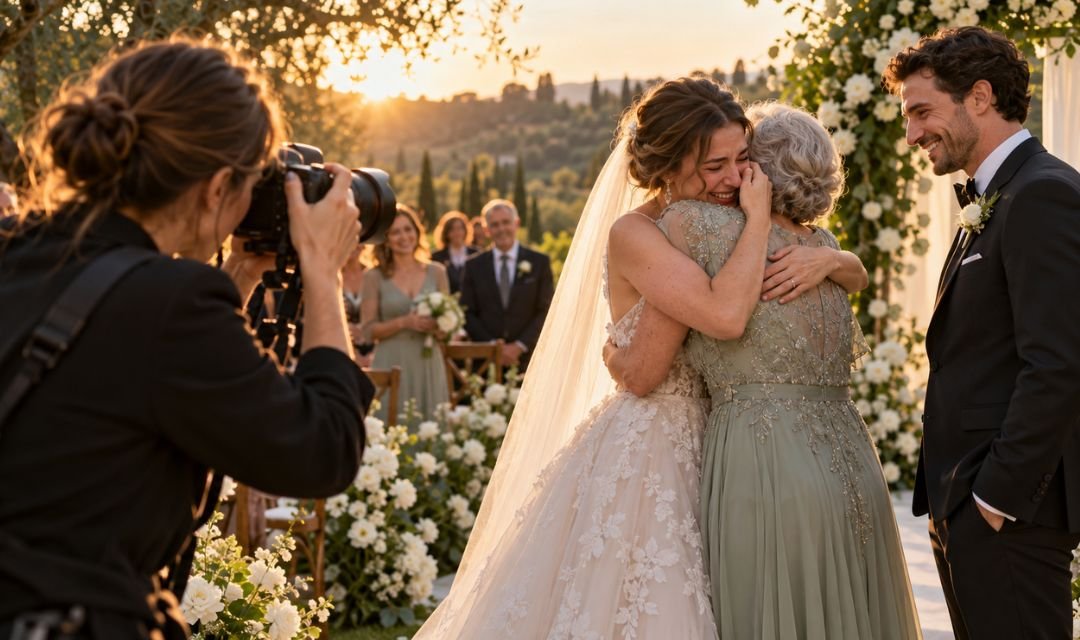
The daily reality of a Hobart wedding photographer or any professional in this field involves wearing many hats throughout a single shift. During the morning preparation hours, the professional functions as a detail oriented product creator, carefully arranging wedding bands, invitation suites, and bridal accessories to highlight texture and lighting. Shortly after, that same person pivots into a high fashion portrait artist, guiding the couple and their wedding party into flattering stances that look natural rather than stiff. Once the ceremony begins, the role shifts instantly again into a dedicated photojournalist who must anticipate emotional reactions, tears of joy, and quick embraces without interrupting the flow of the ceremony. Later in the evening during the reception, architectural and interior awareness becomes crucial as the shooter evaluates ambient ballroom or outdoor tent lighting to ensure the venue space looks as magnificent in pictures as it felt in person.
Navigating Environmental Unpredictability and Pressure
Technical mastery forms only the foundation of the work because the environment itself introduces constant unpredictability. Unlike a controlled studio setting where strobes remain static and backdrops never shift, outdoor ceremonies face sudden cloud cover, harsh midday sun, or unexpected rain showers. Indoor venues often present challenging mixed lighting conditions, forcing the artist to adjust camera settings instantly while keeping track of a rapidly moving timeline. Maintaining absolute calm under this kind of adrenaline fueled pressure represents a core requirement of the job. Clients rely heavily on their visual storyteller to remain unruffled when minor schedule delays happen or when family dynamics become tense, proving that emotional intelligence is just as valuable as high end camera gear.
The Power of Human Connection and Soft Skills
Human connection and soft skills ultimately dictate whether the final gallery captures genuine soul or merely documents stiff poses. Great professionals act as friendly advisors, empathetic mediators, and subtle guides who can calm a nervous bride or groom with a reassuring word. By blending seamlessly into the background during intimate moments, they help guests relax and forget the camera is even there. This invisible choreography allows unscripted human interactions and authentic laughter to shine through clearly in every frame, turning fleeting seconds into permanent memories.
The Unseen Mountain of Post Production Work
The completion of the actual wedding day marks only the halfway point of the entire professional commitment. Once the gear is packed and the celebration concludes, a massive mountain of behind the scenes work begins. Hours of meticulous digital asset management, raw file culling, color grading, and careful skin retouching consume entire weeks. Crafting a cohesive visual narrative from thousands of digital captures requires artistic vision and immense patience. Every single image receives individual attention to ensure skin tones look radiant, shadows retain rich detail, and the overall color palette matches the emotional tone of the couple’s celebration.
Conclusion
Understanding the depth of this craft highlights why professional wedding coverage requires a rare blend of artistic passion, physical endurance, and interpersonal diplomacy. From managing unpredictable weather and complex lighting to curating polished digital galleries long after the guests go home, the modern professional truly masters a multi-disciplinary art form.