
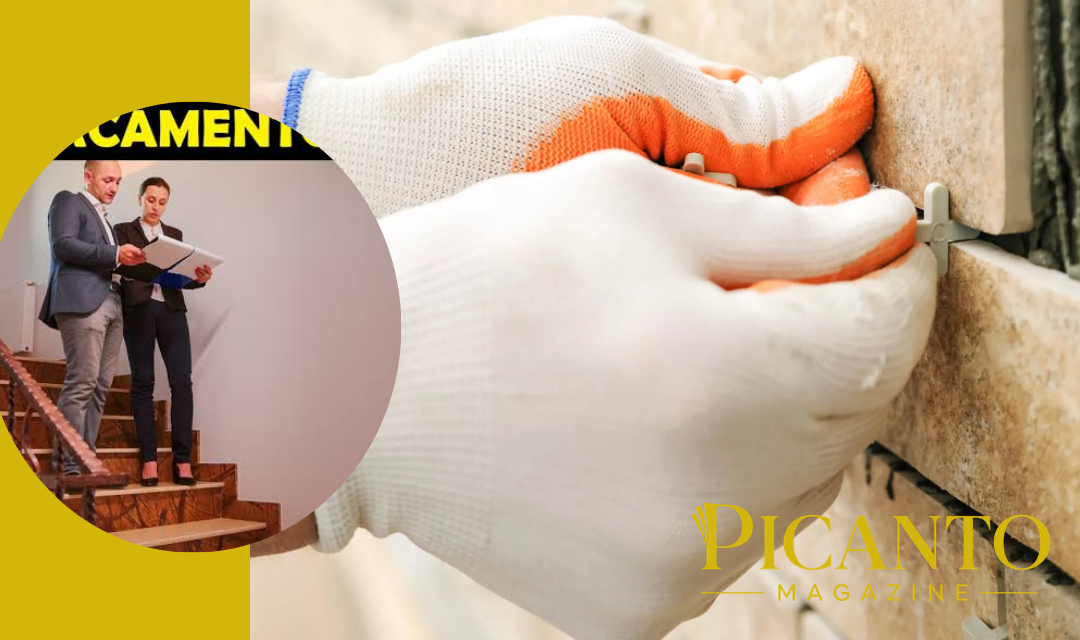
Acamento looks like a mysterious word when you first see it online. But the idea behind it is actually very simple. It is commonly connected with the Portuguese word acabamento, which refers to finishing something or giving it the final touches that make the work feel complete. Cambridge Dictionary describes acabamento as finishing or the last touch that helps make work complete.
Think about building a wooden table. The table may already stand on four legs, but the job is not really finished until the rough edges are smoothed, the surface is cleaned, and perhaps a final coat is added. That final care is the easiest way to understand the idea people are describing when they use the word Acamento.
Quick Overview of Acamento
| Topic | Simple Explanation |
|---|---|
| Keyword | Acamento |
| Main idea | Finishing and improving final details |
| Closely related word | Acabamento |
| Language connection | Portuguese |
| Common meaning | Final touch, finish, polish, refinement |
| Where the idea can be used | Homes, furniture, design, fashion, digital work and creative projects |
| Main purpose | Making something feel complete and well made |
What Is Acamento?
Acamento can be understood as the care given to something near the end of a project.
Imagine drawing a picture.
First, you draw the house, trees, sun and people. Technically, your picture is done. But then you notice that one tree needs more color. You clean a small pencil mark and add a few details to the sky.
Now the picture feels finished.
That final improvement is the basic idea behind Acamento.
It is not simply about stopping because the main work has been completed. It is about looking at the small details and asking:
“Can I make this a little better before I call it finished?”
That small question can make a surprisingly big difference.
Where Did the Word Acamento Come From?
This part can be confusing because Acamento is not the standard Portuguese spelling normally found in major dictionaries.
The established Portuguese word is acabamento.
It can describe the end or finishing stage of work and can also refer to the final improvements made to something. In construction, for example, finishing work can include details added after much of the main building work is already complete.
Online, however, the shorter-looking term Acamento has started appearing in articles and discussions connected with ideas such as finishing, craftsmanship and refinement.
This is why people searching for Acamento may find different explanations.
The safest way to understand it is not to treat it as a mysterious new invention. Think of it as a term being used online around the much clearer idea of finishing something carefully.
Why Is Acamento Suddenly Getting Attention?
There is something interesting about the internet.
Sometimes an unusual word begins appearing on websites. People see it, search for it, and then more people start writing about it.
Soon, thousands of readers may be asking:
“What does this word actually mean?”
Acamento is one of those curious terms.
Its appeal may come from the idea behind it. Everyone understands the difference between something that is simply done and something that has been finished with care.
A cake can be baked, but decoration makes it look special.
A house can be built, but paint, flooring and neat details make it feel like a home.
A website can work, but clear menus, readable text and smooth pages make people enjoy using it.
The final details matter.
Acamento Is Really About the Final Touch
Have you ever finished something and immediately noticed one tiny problem?
Maybe you wrote an email and then spotted a spelling mistake.
Perhaps you painted a room but forgot one little corner.
Or maybe you made a school project and realized the title was crooked.
The main job was finished, but it still needed attention.
This is where the Acamento idea becomes useful.
Instead of rushing away from a project, you spend a little extra time checking it.
Sometimes five extra minutes can completely change how professional something looks.
How Acamento Works in Construction
Construction gives us one of the easiest examples.
Building a house involves big jobs first.
Workers create the structure. Walls go up. The roof is added. Pipes and electrical systems are installed.
But imagine stopping there.
The house might technically exist, but it probably would not feel ready.
The later stages can include things such as flooring, painting, trim, doors, fittings and surface improvements.
These details may seem smaller than building a wall, but people notice them immediately.
A badly painted wall can make a beautiful room look unfinished.
A poorly fitted door can annoy someone every single day.
Good finishing helps turn basic construction into a comfortable final result.
Acamento in Furniture and Woodworking
Furniture provides another simple example.
Imagine two wooden tables.
Both use the same type of wood.
Both have four legs.
Both are strong.
But one table has rough edges and an uneven surface. The other has been carefully sanded and polished.
Which one would you choose?
Probably the second one.
The difference is not necessarily the basic design. The difference is the attention given near the end.
Woodworkers may spend a lot of time sanding, polishing, checking corners and improving surfaces.
Those little details can make a simple object look far more beautiful.
Acamento in Interior Design
You can also see the same idea inside homes.
Imagine a living room with an expensive sofa, beautiful flooring and a large television.
Everything sounds good.
But the cables are hanging everywhere. The curtains are the wrong length. One picture is crooked. The lighting makes the room feel dark.
Something feels wrong.
Now imagine tidying the cables, fixing the picture, adjusting the curtains and improving the lighting.
Suddenly, the room feels much better.
Those changes may not cost much, but they affect the complete experience.
That is the power of finishing details.
Acamento in Fashion
Fashion also depends heavily on small details.
A shirt is not just a piece of cloth.
Someone has to think about its shape, stitching, buttons, edges and fit.
A tiny stitching problem may seem unimportant, but customers can notice it.
The same goes for shoes, bags and other clothing.
People often judge quality through details they may not even consciously think about.
A clean seam feels better.
A neat edge looks better.
A properly fitted button works better.
Good finishing can make an ordinary item feel special.
What Does Acamento Mean in Digital Work?
The idea can even be applied to websites, apps and other digital projects.
Suppose someone creates a website.
The pages load.
The articles appear.
The menu works.
Does that mean everything is perfect?
Not necessarily.
Maybe the text is too small on a phone.
Perhaps one button is difficult to find.
Maybe an image takes too long to appear.
There could be spelling mistakes or confusing menu names.
These small issues may not destroy the website, but fixing them can make the experience much better.
In digital work, the Acamento idea can therefore be understood as checking the final details before saying:
“Yes, this is ready.”
Acamento and Content Writing
Writers can use the same idea.
In fact, content provides a perfect example.
You may finish a 2,000-word article and think the job is over.
But then comes the final check.
Is the title interesting?
Does the introduction make people want to continue?
Are any sentences difficult to understand?
Did you repeat the same idea three times?
Are the headings useful?
Are there spelling mistakes?
That final review can turn an average article into a much stronger one.
Writing the first draft is only part of the job.
Good writers also polish.
Done and Well Done Are Not the Same Thing
This may be the biggest lesson behind Acamento.
Done means you reached the end.
Well done means you cared about how you reached the end.
Think about cleaning your bedroom.
You could throw everything into a cupboard and say:
“Finished!”
Technically, the floor might look clean.
But open the cupboard and everything falls out.
That is completion without care.
Proper finishing means doing those final little jobs that make the result truly useful.
Why Small Details Matter So Much
People often remember small problems more than big successes.
Imagine staying in a beautiful hotel room.
The bed is comfortable.
The view is amazing.
The room looks expensive.
But the bathroom tap keeps dripping all night.
What will you remember in the morning?
Probably the annoying tap.
One tiny problem can hurt an otherwise excellent experience.
That is why final checks matter.
Small details often decide whether people describe something as average, good or excellent.
Acamento Does Not Mean Making Everything Perfect
There is also an important difference between careful finishing and chasing perfection forever.
Nothing is perfect.
If you continue changing a project endlessly, you may never release it.
A designer could keep changing a logo for months.
A writer could rewrite the same paragraph twenty times.
A carpenter could continue polishing a table even when the table already looks excellent.
That is not useful.
The goal should be to find important problems and improve meaningful details.
Then stop.
Acamento should help you finish better, not prevent you from finishing at all.
A Simple Acamento Method Anyone Can Use
You do not need special tools to use this idea.
Try a simple five-step method.
1. Finish the Main Work
Do the important job first.
Do not worry about every tiny detail while you are still building the main project.
2. Walk Away for a Moment
Take a short break.
When you return, you may notice problems that were invisible before.
Writers use this trick often.
A sentence that seemed perfect yesterday may look strange the next morning.
3. Look at the Project Like a User
Do not ask only:
“Do I like this?”
Ask:
“Will another person understand and enjoy this?”
That question changes everything.
4. Fix the Problems That Matter
Focus on useful improvements.
Correct mistakes.
Remove confusing parts.
Make rough areas smoother.
Check whether everything works correctly.
5. Know When to Stop
Once the important details are fixed, finish the project.
Do not keep changing things simply because you are afraid to release them.
Why Businesses Care About Finishing
Customers may never know how difficult it was to create a product.
They only see the final result.
Imagine buying a new desk.
You do not see the factory workers, machines, planning meetings or delivery process.
You see the desk.
If one corner is damaged, your opinion of the whole company may change.
This is why businesses pay close attention to final quality.
The last stage is often the part customers experience first.
That sounds strange, but it is true.
Can Acamento Improve Everyday Life?
The idea does not have to stay inside factories, workshops or offices.
You can use it every day.
Before sending an important message, read it once more.
Before leaving your room, check whether you forgot something.
Before handing in schoolwork, check the answers.
Before publishing a social media post, make sure it says what you intended.
These are tiny habits.
Yet tiny habits can prevent surprisingly big mistakes.
Is Acamento a Product or Software Platform?
This is where readers should be careful.
Some online pages use Acamento in broad digital or technology-related ways, which can make the word sound like the name of a specific platform or established software product.
However, the clearest verifiable language connection is with the idea of finishing and refinement through the Portuguese word acabamento.
So you should not automatically assume that every website mentioning “Acamento” is talking about one official company, app or service.
Always check what the particular page means.
If a website asks you to register, provide private information or pay money for an unfamiliar product, check the company carefully first.
A trendy name alone does not prove that a service is trustworthy.
Acamento vs. Acabamento: What Is the Difference?
This is probably the most important question.
Acabamento is the established Portuguese word.
Acamento is a spelling or term that has been appearing online around similar ideas of finishing and refinement.
That difference matters.
If you are writing formal Portuguese, translating a document or talking professionally about construction finishes, acabamento is the word you are far more likely to need.
If you find “Acamento” in an English-language blog, however, the writer may be using it more loosely as an idea about final touches or careful completion.
Knowing this difference can save a lot of confusion.
What Makes Good Acamento?
Good finishing normally has three qualities.
First, it should improve appearance.
Something looks clean, neat and complete.
Second, it should improve function.
A door should not only look nice. It should open properly.
Third, it should improve experience.
A website might work technically, but users should also find it easy and pleasant to use.
When appearance, function and experience come together, the final result feels polished.
Common Mistakes People Make
One mistake is rushing the final stage.
People often become excited when a project is nearly finished.
They want to move on.
That is exactly when small mistakes can slip through.
Another mistake is caring only about appearance.
Something can look beautiful and still work badly.
A beautiful chair that hurts your back is not a great chair.
A stylish website with confusing buttons is not a great website.
Good finishing should make something both attractive and useful.
Why the Idea Is So Easy to Understand
Perhaps Acamento is attracting attention because the idea applies almost everywhere.
We all know the feeling of seeing something that is almost right.
A picture needs straightening.
A sentence needs one different word.
A room needs better lighting.
A wooden surface needs smoothing.
The big work may already be complete.
Yet one final improvement makes everything click.
That is why the concept feels familiar even if the word itself does not.
Final Thoughts
Acamento may look complicated when you first search for it, especially because different websites can use the term in different ways. But the central idea is simple: pay attention to the finishing details that turn completed work into better work.
The clearest linguistic connection is the Portuguese word acabamento, meaning finishing or the final touches of a job.
You can see this idea in construction, furniture, fashion, design, websites and even writing.
And perhaps that is the most useful lesson.
Finishing a job is good.
Finishing it with care is better.
Frequently Asked Questions About Acamento
What does Acamento mean?
Acamento is commonly used online around the idea of finishing, refinement and giving something its final touches. It is closely associated with the Portuguese word acabamento.
Is Acamento a Portuguese word?
The standard Portuguese word found in major dictionaries is acabamento. It refers to finishing, an end, or final finishing work.
Is Acamento the same as acabamento?
They are often connected online, but they should not automatically be treated as identical spellings. Acabamento is the established Portuguese dictionary word.
Where can the Acamento idea be used?
It can be applied to construction, furniture, clothing, interior design, creative work, websites and many other projects where final details matter.
Does Acamento only mean making something look beautiful?
No. Good finishing can improve appearance, function and the overall experience.
Is Acamento a software platform?
Do not assume that it is one specific software platform simply because some online pages use the term in digital contexts. Check the particular website or service carefully before signing up or sharing information.
Why are finishing touches important?
Because small details can affect how something looks, works and feels. A project may technically be complete while still needing a few important improvements.
What is a simple example of Acamento?
Think of making a wooden table. Building the table is the main job. Sanding rough edges and adding a smooth final finish are the finishing touches.
For more simple and interesting stories, visit PicantoMagazine.com.