
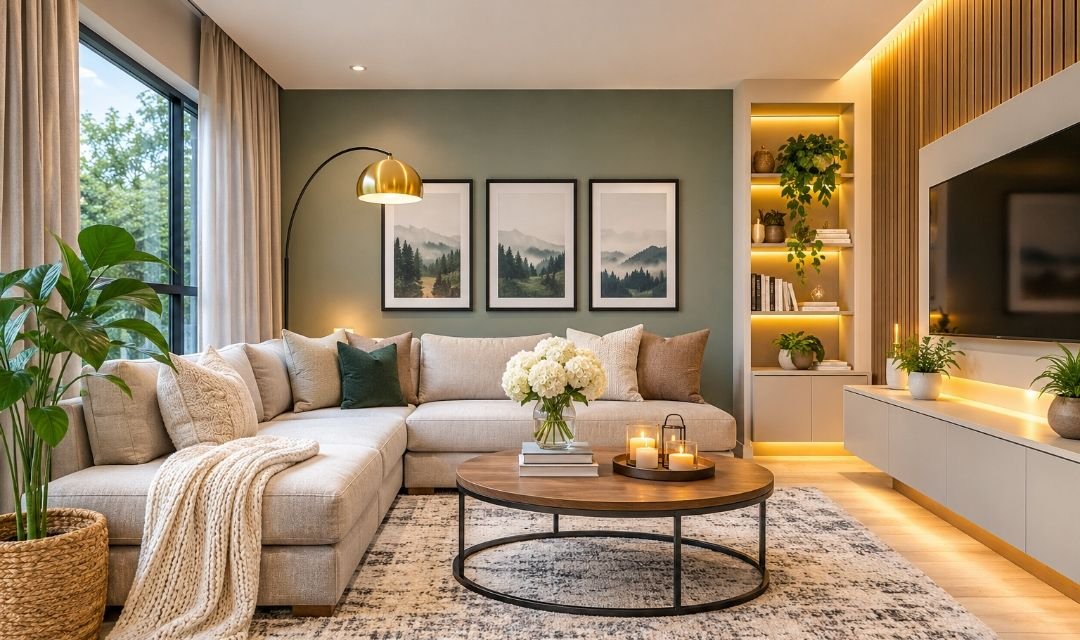
Living room makeover ideas can help transform an outdated or ordinary living space into a beautiful, comfortable, and welcoming part of your home. Whether you want to update your furniture, change the wall colors, improve lighting, or create a modern design, there are many affordable ways to refresh your living room. A makeover is an important part of interior design, which focuses on making indoor spaces more functional, attractive, and comfortable.
| Category | Details |
|---|---|
| Main topic | Living Room Makeover Ideas |
| Main purpose | Improve comfort, appearance, and functionality |
| Popular styles | Modern, minimalist, Scandinavian, farmhouse |
| Best colors | Beige, cream, white, gray, sage green |
| Furniture options | Sectional sofas, accent chairs, coffee tables |
| Lighting ideas | Floor lamps, pendant lights, wall sconces |
| Budget-friendly upgrades | Painting, cushions, curtains, rearranging |
| Small living room solutions | Mirrors, compact furniture, vertical storage |
| Decorative elements | Rugs, artwork, plants, mirrors |
| Storage solutions | Floating shelves, cabinets, storage ottomans |
| Common mistakes | Oversized furniture, poor lighting, clutter |
| Main goal | Create a stylish and practical living room |
The living room is one of the most important spaces in a house. It is where families relax, guests gather, and people spend time together.
However, even a comfortable living room can begin to feel outdated after several years.
Old furniture, faded wall colors, poor lighting, and unnecessary clutter can affect the room’s appearance.
The good news is that a living room makeover does not always require expensive renovation work.
Small changes can make a noticeable difference.
From modern furniture arrangements to affordable decorative accessories, this guide explores 25 living room makeover ideas that can help you create a fresh and inviting space.
Why Should You Give Your Living Room a Makeover?
A living room makeover can improve both appearance and everyday comfort.
Over time, furniture may become worn, colors may feel outdated, and storage needs may change.
A makeover provides an opportunity to solve these problems.
For example, rearranging furniture can improve movement.
Better lighting can make the room more comfortable for reading and relaxing.
New storage solutions can reduce clutter.
A coordinated color palette can also make the space feel more organized.
The best makeover should reflect your lifestyle rather than simply follow the latest decorating trends.
1. Refresh the Walls With Modern Paint Colors
Painting is one of the easiest ways to transform a living room.
A fresh coat of paint can make the space look cleaner and brighter.
Neutral colors such as warm white, beige, cream, and soft gray work well in many homes.
Sage green can create a natural atmosphere.
Muted blue may provide a calm appearance.
However, you do not need to choose only light colors.
Darker shades can create a cozy feeling when used carefully.
Consider the amount of natural light before selecting a color.
Test paint samples on the walls to see how they look throughout the day.
2. Rearrange Your Existing Furniture
You may not need new furniture to improve your living room.
Sometimes changing the arrangement is enough.
Start by identifying the main focal point.
This could be a television, fireplace, large window, or seating area.
Arrange sofas and chairs to support comfortable conversation.
Keep walking paths clear.
Avoid placing oversized furniture where it blocks natural light.
Experiment with different layouts before purchasing new items.
A better furniture arrangement can make the room feel more spacious without additional spending.
3. Choose a Comfortable Modern Sofa
The sofa is often the largest furniture piece in a living room.
It strongly influences the room’s appearance.
Modern sofas are available in many shapes, sizes, and materials.
A simple neutral sofa can work with different decorating styles.
Sectional sofas may suit larger families or certain room layouts.
Compact sofas are often better for smaller spaces.
However, appearance should not be the only consideration.
Choose a sofa that provides comfortable support and fits the room properly.
Measure doorways and available floor space before purchasing.
4. Add Decorative Throw Pillows
Throw pillows are an affordable way to refresh a sofa.
They introduce color, texture, and comfort.
For a neutral sofa, consider cushions in sage green, terracotta, navy blue, or mustard.
You can also combine plain fabrics with subtle patterns.
However, avoid using too many cushions.
The seating area should remain comfortable.
Choose washable covers when practical.
Changing pillow covers seasonally can refresh the room without replacing furniture.
5. Use a Stylish Area Rug
An area rug can bring furniture together and make the living room feel more complete.
It adds texture and warmth.
Neutral rugs work well with modern furniture.
Patterned rugs can create visual interest.
Before buying, measure the seating area.
A rug that is too small may make the arrangement feel disconnected.
Choose materials based on foot traffic, cleaning needs, and household preferences.
For homes with children or pets, durable and easy-to-clean rugs may be especially useful.
6. Improve Living Room Lighting
Lighting can change the atmosphere of a room.
A single ceiling fixture may not provide enough flexibility.
Consider combining general lighting with floor lamps and table lamps.
Wall sconces can add decorative lighting.
A pendant fixture may create a focal point in rooms with suitable ceiling height.
Warm-toned lighting often creates a comfortable evening atmosphere.
Brighter task lighting can support reading and other activities.
For electrical installation or wiring changes, use qualified professionals.
7. Create a Beautiful Accent Wall
An accent wall can make a living room more interesting.
Choose one wall as the focal point.
You could paint it a contrasting color.
Textured wallpaper is another option.
Wooden decorative panels can add warmth.
However, the accent wall should complement the rest of the room.
Avoid combining too many strong patterns.
A simple design often creates a more balanced appearance.
Accent walls can be especially effective behind a sofa or television area.
8. Add Indoor Plants
Indoor plants can introduce natural color and texture.
They can also soften the appearance of modern furniture.
Popular options include pothos, snake plants, and spider plants.
Choose plants based on available light and maintenance needs.
Some plants may be toxic to pets, so check their safety before bringing them home.
Place larger plants in suitable floor corners.
Smaller plants may work well on shelves.
A few carefully selected plants can create a welcoming atmosphere.
9. Install Floating Shelves
Floating shelves can provide both storage and decoration.
They work well above consoles or on empty walls.
Use them to display books, photographs, or small decorative objects.
Wooden shelves add warmth.
White shelves can blend into light-colored walls.
However, avoid overcrowding them.
Use appropriate wall anchors and supports.
Heavy items require secure installation.
Floating shelves are particularly useful in small living rooms where floor space is limited.
10. Upgrade Your Coffee Table
A coffee table can become an important part of the seating arrangement.
Choose a table that suits the size of the room.
Round tables may work well in compact spaces.
Rectangular tables often complement longer sofas.
Storage coffee tables can help organize remote controls, magazines, and other items.
However, leave enough space for comfortable movement.
You do not always need to buy a new table.
Refinishing or repainting an existing one may provide a budget-friendly alternative.
11. Use Mirrors to Make the Room Feel Bigger
Mirrors can reflect natural and artificial light.
They may also create a sense of visual depth.
A large mirror can work well above a console table.
A decorative round mirror may become a focal point.
Mirrors are especially useful in narrow or darker living rooms.
However, placement matters.
Avoid positioning mirrors where reflections create uncomfortable glare.
Securely mount heavy mirrors using suitable hardware.
12. Update Your Curtains
Curtains influence privacy, light control, and interior style.
Replacing outdated curtains can refresh the room.
Light-colored curtains can create an airy appearance.
Heavier curtains may provide greater privacy and light control.
Simple roller blinds suit some minimalist interiors.
Choose fabrics that complement the sofa and wall colors.
Measure the windows carefully before purchasing.
The best window coverings should balance appearance with everyday practicality.
13. Create a Modern TV Wall
A television wall can become an organized feature.
Wall-mounted televisions may save space in some layouts.
A simple media cabinet can hold electronic devices.
Built-in shelves may provide additional storage.
However, avoid installing too many decorative panels or lights.
Keep the design practical.
Consider cable management and ventilation around electronic equipment.
Televisions should be securely mounted according to manufacturer instructions.
14. Add Statement Wall Art
Artwork can make a living room feel more personal.
Large paintings or prints can create a focal point.
A gallery wall can display photographs and meaningful memories.
Abstract artwork works well in many modern interiors.
However, you do not need expensive pieces.
Affordable prints and personal photographs can look attractive when framed thoughtfully.
Choose artwork that complements the room’s colors.
Avoid filling every wall with decoration.
15. Use Natural Wood Furniture
Natural wood adds warmth to a living room.
Wooden coffee tables, sideboards, and shelves can complement modern furniture.
Light wood creates a bright appearance.
Darker wood adds contrast.
You can also combine wood with metal or glass.
However, too many different wood finishes may make the room feel visually busy.
Choose complementary tones.
Refinishing existing wooden furniture can be a cost-effective improvement.
16. Create a Cozy Reading Corner
A reading corner can make a living room more functional.
Choose a comfortable chair.
Add a small side table.
Use a floor lamp or suitable task lighting.
A soft cushion or throw can provide extra comfort.
If space allows, place a small bookshelf nearby.
However, keep the arrangement compact.
A reading corner should feel peaceful without blocking movement.
This idea works well in both large and small living rooms.
17. Introduce Textured Fabrics
Texture can make a living room feel warmer and more inviting.
Consider linen curtains, woven rugs, cotton cushions, and soft throws.
A neutral room can benefit from several complementary textures.
For example, a cream sofa may look attractive with a woven rug and wooden coffee table.
However, avoid adding too many materials without a clear design direction.
Choose fabrics that are comfortable and easy to maintain.
Texture helps create visual interest without requiring bold colors.
18. Add Smart Storage Solutions
Clutter can make even a beautiful living room feel crowded.
Storage furniture can help keep everyday items organized.
Consider a media cabinet with drawers.
A storage ottoman can hold blankets.
Built-in shelves can display books and decorative items.
Baskets may be useful for small accessories.
However, storage should remain easy to access.
Choose solutions that match your household’s needs.
Good organization can improve the room without major renovation work.
19. Try a Minimalist Living Room Design
Minimalist design focuses on simplicity and function.
It often uses clean lines, limited decoration, and coordinated colors.
A minimalist living room may include a comfortable sofa, simple coffee table, and selected artwork.
However, minimalism does not mean removing every personal item.
Comfort and personality remain important.
Avoid filling the room with unnecessary furniture.
A balanced minimalist design can create a calm and organized atmosphere.
20. Add a Statement Chair
An accent chair can introduce color and personality.
Choose a design that complements the sofa.
A curved chair may soften a room with straight-lined furniture.
A wooden armchair can add natural texture.
A colorful upholstered chair may become a focal point.
However, size matters.
Do not add a chair if it blocks movement.
A statement chair should provide comfortable seating while supporting the room’s design.
21. Create a Modern Fireplace Feature
A fireplace can become a central design feature.
If your living room already has one, consider updating the surrounding finishes.
Painting a suitable mantel may refresh its appearance.
Decorative stone or tile can create a different look.
However, fireplaces involve important safety requirements.
Changes around wood-burning, gas, or electric fireplaces must follow manufacturer instructions and applicable codes.
Do not install combustible materials too close to heat sources.
Professional advice may be necessary.
22. Combine Modern and Vintage Furniture
A living room does not need to follow one design style completely.
Combining modern and vintage furniture can create a personal appearance.
For example, a modern sofa may work well with an antique wooden side table.
Vintage lamps can add character.
Traditional artwork may complement simple modern walls.
However, choose a consistent color palette to connect different pieces.
Avoid adding too many unrelated styles.
A thoughtful mix can make the room feel unique and welcoming.
23. Improve Small Living Room Layouts
Small living rooms require careful furniture planning.
Choose pieces that fit the available space.
Avoid oversized sofas and bulky cabinets.
Wall-mounted shelves can provide storage.
Mirrors may help reflect light.
Multifunctional furniture can reduce clutter.
For example, a storage ottoman may replace a separate storage box.
Keep walking paths clear.
The goal is to make the room comfortable rather than simply fill every available corner.
24. Add Warm and Earthy Colors
Warm colors can create a cozy atmosphere.
Terracotta, beige, caramel, olive green, and warm brown are attractive options.
These shades often work well with natural wood and textured fabrics.
You can introduce earthy colors through cushions, rugs, and artwork.
For a larger change, consider painting an accent wall.
However, test colors before making a final decision.
Lighting can affect how colors appear.
A balanced earthy palette can make the living room feel welcoming.
25. Personalize Your Living Room
The best living room makeover reflects your personality.
Display meaningful photographs.
Include favorite books.
Choose artwork that you enjoy.
Use decorative objects collected during travels or important experiences.
However, avoid overcrowding shelves and tables.
A few meaningful items can create more impact than many unrelated accessories.
Your living room should feel comfortable for everyday life.
A successful makeover combines attractive design with personal meaning.
Living Room Makeover Ideas on a Budget
You do not need a large budget to refresh your living room.
Small improvements can create noticeable results.
| Makeover idea | Relative cost | Main benefit |
|---|---|---|
| Rearrange furniture | Free | Improves layout |
| Declutter and organize | Free–low | Creates a cleaner space |
| Paint one wall | Low | Adds color |
| Replace cushion covers | Low | Refreshes sofa |
| Add indoor plants | Low | Introduces greenery |
| Update curtains | Low–medium | Improves window appearance |
| Install shelves | Low–medium | Adds storage |
| Add a mirror | Low–medium | Reflects light |
| Replace an area rug | Medium | Connects furniture |
| Upgrade the sofa | High | Changes main seating |
Choose improvements based on the condition of your room and available budget.
Living Room Makeover Ideas Under $500
A $500 budget may allow several decorative upgrades.
The following example shows one possible allocation.
| Improvement | Example cost |
|---|---|
| Paint and supplies | $100 |
| Throw pillows | $50 |
| Curtains | $80 |
| Wall art | $60 |
| Lighting | $90 |
| Plants and accessories | $40 |
| Contingency | $80 |
| Total | $500 |
These figures are illustrative rather than current retail quotations. Actual prices depend on your location and product choices.
Best Living Room Color Combinations
Color combinations can influence the atmosphere of a room.
| Color combination | Style | Overall feeling |
|---|---|---|
| White and beige | Minimalist | Bright and peaceful |
| Gray and black | Modern | Clean and sophisticated |
| Cream and brown | Contemporary | Warm and comfortable |
| Sage green and white | Natural | Fresh and relaxing |
| Navy blue and gold | Elegant | Bold and refined |
| Terracotta and cream | Earthy | Cozy and welcoming |
| Olive green and wood | Organic modern | Natural and balanced |
| Soft blue and gray | Contemporary | Calm and airy |
Choose colors that complement your furniture and natural lighting.
Small Living Room Makeover Ideas
A small living room can still feel stylish and comfortable.
Start by removing unnecessary furniture.
Choose a sofa that fits the space.
Use a compact coffee table.
Install wall shelves where appropriate.
Consider a mirror to reflect light.
Use coordinated colors.
Avoid excessive decoration.
Keep windows clear when possible.
A simple layout can make a small living room feel more organized and welcoming.
Modern Living Room Makeover Trends for 2026
Modern living room design in 2026 includes several useful directions.
Warm minimalism combines simple furniture with comfortable fabrics.
Natural materials such as wood and stone add texture.
Earthy colors create inviting interiors.
Curved furniture can soften spaces dominated by straight lines.
Multifunctional furniture remains practical for smaller homes.
Layered lighting supports different activities.
However, trends should not replace personal preferences.
Choose designs that suit your home and remain comfortable over time.
Common Living Room Makeover Mistakes
One common mistake is buying furniture without measuring the room.
Oversized sofas and tables can block movement.
Another mistake is relying on one light source.
Poor lighting can make a room uncomfortable.
Some homeowners also use too many decorative accessories.
This can create clutter.
Another problem is choosing colors without considering natural light.
Avoid replacing furniture that is still functional simply because it looks outdated.
Sometimes refinishing or rearranging existing pieces provides a better solution.
How to Plan a Living Room Makeover
Start by examining your current living room.
Identify what works and what needs improvement.
Measure the room carefully.
Decide on a budget.
Choose a general design style.
Select a coordinated color palette.
Plan the furniture arrangement.
Consider lighting and storage.
Purchase materials only after confirming measurements.
Complete necessary repairs before decorative work.
Finally, arrange the furniture and add accessories gradually.
A clear plan can help you avoid unnecessary expenses.
Final Thoughts
Living room makeover ideas can help transform an outdated space into a comfortable, attractive, and welcoming part of your home.
You do not need an expensive renovation to create noticeable improvements.
Simple changes such as painting walls, rearranging furniture, improving lighting, and adding decorative accessories can refresh the room.
The most successful living room makeover balances appearance with functionality.
Choose comfortable furniture.
Keep the layout practical.
Use colors and materials that complement one another.
Add storage to reduce clutter.
Most importantly, create a space that reflects your personality and supports everyday living.
Whether you prefer modern minimalism, warm earthy interiors, or a combination of traditional and contemporary furniture, thoughtful decorating can make your living room feel beautiful for years to come.
Frequently Asked Questions About Living Room Makeover Ideas
1. What are the best living room makeover ideas?
Painting, rearranging furniture, improving lighting, adding storage, and updating decorative accessories are popular choices.
2. How can I makeover my living room cheaply?
Start with decluttering, rearranging furniture, painting, and replacing cushion covers.
3. What is the cheapest living room makeover?
Rearranging furniture and organizing existing belongings may cost nothing.
4. How can I make my living room look modern?
Use clean-lined furniture, coordinated colors, practical storage, and layered lighting.
5. What colors are best for living rooms?
Beige, cream, white, gray, sage green, and warm earthy shades are popular options.
6. How can I make a small living room look bigger?
Choose suitable furniture, keep walkways clear, use light colors, and improve lighting.
7. Should I buy a new sofa for my makeover?
Only if the existing sofa no longer meets your needs or its condition justifies replacement.
8. What is the best lighting for a living room?
A combination of general, task, and decorative lighting often provides flexibility.
9. Are area rugs important?
They can help define seating areas and add texture and comfort.
10. How can I decorate an empty living room wall?
Consider artwork, mirrors, shelves, or an accent paint color.
11. Are indoor plants suitable for living rooms?
Yes, provided they suit the lighting conditions and are safe for household members and pets.
12. What furniture is best for small living rooms?
Compact sofas, practical coffee tables, and multifunctional storage furniture can work well.
13. How can I make my living room cozy?
Use warm lighting, comfortable seating, soft fabrics, and coordinated colors.
14. Is minimalist design good for living rooms?
Yes. It can create an organized appearance while maintaining comfort.
15. Can I combine modern and traditional furniture?
Yes. Coordinated colors and complementary materials can help different styles work together.
16. What is a good living room accent wall color?
Sage green, navy blue, terracotta, and charcoal are possible choices depending on the room.
17. How can I improve living room storage?
Use cabinets, floating shelves, baskets, and storage ottomans.
18. Should I use curtains or blinds?
Choose based on privacy, light control, maintenance, and design preferences.
19. How much does a living room makeover cost?
Costs vary widely depending on whether you make cosmetic changes or replace major furniture.
20. Can I makeover my living room without painting?
Yes. Furniture rearrangement, lighting, rugs, curtains, and accessories can refresh the space.
21. What are popular living room trends for 2026?
Warm minimalism, natural textures, earthy colors, and practical multifunctional furniture are relevant design directions.
22. How can I make my living room feel luxurious on a budget?
Focus on coordinated colors, suitable lighting, organized furniture, and a few quality decorative pieces.
23. What should I avoid during a living room makeover?
Avoid oversized furniture, excessive clutter, poor lighting, and unnecessary spending.
24. How long does a living room makeover take?
Simple decorating projects may take a day or weekend, while larger renovations can take several weeks.
25. What is the most important living room makeover tip?
Prioritize comfort, practical furniture arrangements, and a design that reflects your lifestyle.
For more home improvement guides, modern decorating inspiration, affordable renovation tips, and interior design ideas, visit Picanto Magazine