
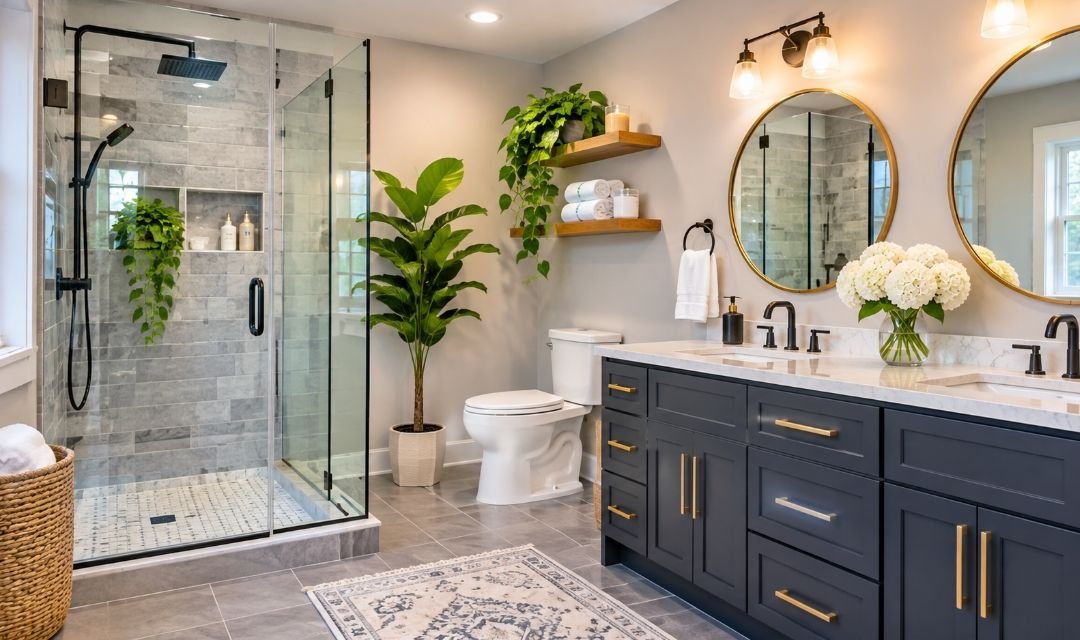
Bathroom renovation tips can help you transform an old, uncomfortable bathroom into a beautiful, modern, and practical space. Whether you want to replace outdated tiles, install a new shower, improve storage, or create a relaxing bathroom design, careful planning can make a big difference. Bathroom remodeling is an important part of home improvement, which involves repairing, upgrading, and improving residential spaces.
A bathroom is one of the most frequently used rooms in any home. It should be comfortable, easy to clean, and safe for everyone in the household.
However, renovating a bathroom can become expensive if you start without a clear plan. Plumbing changes, waterproofing, new fixtures, and labor costs can quickly increase the total budget.
The good news is that not every bathroom renovation requires major construction. Simple improvements such as replacing a mirror, repainting walls, installing shelves, or updating lighting can make a noticeable difference.
This guide covers 25 practical bathroom renovation tips for 2026, including budget-friendly ideas, modern design trends, small bathroom solutions, and common mistakes to avoid.
Quick Overview of Bathroom Renovation Tips
| Category | Details |
|---|---|
| Main topic | Bathroom Renovation Tips |
| Popular renovation styles | Modern, minimalist, traditional, spa-inspired |
| Common improvements | Showers, vanities, tiles, lighting, storage |
| Budget-friendly upgrades | Painting, mirrors, accessories, shelves |
| Popular colors | Warm white, beige, sage green, light gray |
| Flooring options | Porcelain tile, ceramic tile, suitable vinyl |
| Shower designs | Walk-in showers, glass enclosures |
| Storage solutions | Floating shelves, vanity drawers, wall cabinets |
| Important safety features | Slip resistance, ventilation, waterproofing |
| DIY-friendly projects | Painting, decorating, simple storage |
| Professional projects | Plumbing, electrical, structural, waterproofing |
| Main renovation goal | Improve comfort, appearance, and functionality |
Why Bathroom Renovation Is Important
Bathroom renovation can improve daily comfort, hygiene, and convenience.
Over time, bathroom fixtures may become worn or outdated.
Tiles can crack, grout may deteriorate, and old storage units may become difficult to use.
Poor ventilation can also contribute to moisture problems.
Renovation provides an opportunity to address these issues.
For example, installing a better exhaust fan may help control moisture.
A modern vanity can provide additional storage.
A safer shower layout may improve accessibility.
Bathroom improvements can also make a home more attractive to future buyers, although the financial return depends on renovation costs and local property conditions.
The best bathroom renovation should balance appearance, durability, safety, and everyday needs.
1. Start With a Clear Bathroom Renovation Plan
The first step in any successful bathroom renovation is planning.
Before purchasing tiles or fixtures, identify what needs to change.
Ask yourself whether the bathroom lacks storage, has poor lighting, or contains damaged materials.
You should also consider who uses the bathroom.
A family bathroom may need more storage and durable surfaces.
A guest bathroom might require only a simple refresh.
Create a list of essential improvements and optional decorative changes.
This helps prevent unnecessary spending.
2. Set a Realistic Bathroom Renovation Budget
Bathroom renovation costs can vary widely.
A simple cosmetic update may involve painting and replacing accessories.
A major remodel can require new plumbing, flooring, fixtures, and waterproofing.
Start by calculating how much you can comfortably spend.
Divide the budget into materials, labor, fixtures, and unexpected expenses.
Many homeowners use a contingency allowance of approximately 10–20%, although older bathrooms or complicated projects may require more.
Avoid spending the entire budget on decorative materials.
Necessary repairs should always take priority.
3. Choose a Modern Bathroom Color Scheme
Color can strongly influence the appearance of a bathroom.
Light shades such as white, cream, and beige can make small bathrooms feel brighter.
Sage green adds a calm, natural appearance.
Warm gray provides a neutral background.
Dark colors can create a dramatic design, particularly when combined with suitable lighting.
However, extremely dark surfaces may make a poorly lit bathroom feel smaller.
Before selecting colors, consider the room’s size, natural light, and existing fixtures.
A consistent color scheme can make the bathroom look more organized and attractive.
4. Install a Walk-In Shower
Walk-in showers are popular in modern bathroom design.
They can create an open and uncluttered appearance.
Glass panels allow light to pass through the room.
A walk-in shower may also improve accessibility when designed properly.
However, installation requires careful attention to drainage and waterproofing.
A curbless shower needs an appropriate floor slope.
Poor installation can allow water to spread beyond the shower area.
Consult experienced professionals before changing the shower floor or drainage system.
5. Upgrade Your Bathroom Vanity
A bathroom vanity provides storage and supports the sink.
Replacing an old vanity can improve both appearance and functionality.
Floating vanities are common in contemporary bathrooms.
They create visible floor space and can make a small bathroom feel more open.
Traditional freestanding vanities may provide additional storage.
Choose a vanity that fits comfortably without blocking doors or walking paths.
Drawers can be especially useful for organizing toiletries.
Select moisture-resistant materials designed for bathroom conditions.
6. Replace Your Bathroom Mirror
A mirror is one of the simplest bathroom features to update.
A larger mirror can reflect more light and make the room appear spacious.
Round mirrors create a softer contemporary look.
Rectangular mirrors offer a classic design.
Some mirrors include built-in lighting.
However, you do not need an expensive illuminated mirror to improve your bathroom.
A simple framed mirror can create a stylish appearance.
Make sure it is securely mounted and positioned at a comfortable height.
7. Improve Bathroom Lighting
Good lighting is essential for a functional bathroom.
You need enough light for shaving, applying makeup, cleaning, and other daily activities.
Overhead lighting provides general illumination.
Lights beside or above a mirror can improve visibility around the sink.
Warm lighting may create a relaxing atmosphere.
However, task areas still need adequate brightness.
Electrical fixtures must be suitable for bathroom locations.
Because bathrooms contain water and moisture, wiring changes should be completed by qualified professionals.
8. Choose Durable Bathroom Flooring
Bathroom floors are regularly exposed to moisture.
Therefore, flooring should be water-resistant, durable, and easy to clean.
Porcelain tile is a common choice.
Ceramic tile is also available in many designs.
Some vinyl flooring products are suitable for bathrooms.
However, not every flooring material is appropriate for wet conditions.
Slip resistance is particularly important.
Highly polished surfaces may become slippery when wet.
Choose flooring that balances appearance with safety.
9. Update Bathroom Wall Tiles
Wall tiles can change the entire appearance of a bathroom.
Subway tiles remain a classic option.
Large-format tiles can create a cleaner appearance with fewer grout lines.
Patterned tiles may add personality.
Natural stone can create a luxurious look, although it may require additional maintenance.
Before selecting tiles, consider cleaning requirements and installation costs.
Waterproofing behind shower tiles is essential.
Tiles and grout alone do not provide a complete waterproofing system.
10. Add Smart Bathroom Storage
Storage is important in bathrooms of every size.
Without enough storage, countertops can become crowded with toiletries and cleaning products.
Consider vanity drawers, wall cabinets, and recessed shelves.
Floating shelves may work well for towels and decorative items.
Over-toilet storage can be useful in some small bathrooms.
However, avoid installing shelves where they interfere with movement.
Store medicines and hazardous cleaning products securely, especially in households with children.
11. Install a Modern Showerhead
Replacing an old showerhead can improve the shower experience.
Modern options include handheld showerheads, rainfall-style fixtures, and adjustable spray settings.
A handheld showerhead may be especially useful for cleaning and accessibility.
Water-efficient models can help reduce consumption.
However, performance depends on local water pressure and plumbing conditions.
Check compatibility before purchasing.
A showerhead upgrade is often less expensive than replacing the entire shower system.
12. Improve Bathroom Ventilation
Ventilation is one of the most important bathroom renovation considerations.
Bathrooms produce moisture during showers and baths.
Without adequate ventilation, moisture may contribute to mold growth and material damage.
An appropriately sized exhaust fan can help remove humid air.
Where required, the fan should vent outdoors rather than into an attic or enclosed space.
Windows may provide additional ventilation, but they are not always sufficient.
Regularly clean ventilation equipment and address leaks promptly.
Good ventilation helps protect both the bathroom and the surrounding building.
13. Create a Spa-Inspired Bathroom
Spa-inspired bathrooms focus on comfort and relaxation.
Popular design features include warm lighting, natural-looking materials, and uncluttered surfaces.
Neutral colors can create a peaceful atmosphere.
A comfortable shower and soft towels may improve the experience.
Plants can also add a natural touch if the lighting and moisture conditions are suitable.
However, a spa-inspired bathroom does not need expensive fixtures.
Simple organization, clean surfaces, and thoughtful lighting can achieve a relaxing appearance.
14. Use Large-Format Tiles
Large-format tiles are popular in contemporary bathrooms.
They create broad, continuous-looking surfaces.
Because there are fewer grout joints, the design can appear less busy.
Stone-look porcelain tiles are commonly used for this effect.
However, large tiles require properly prepared surfaces.
Installation can be more challenging than with smaller tiles.
For shower floors, tile size and slip resistance must be suitable for drainage slopes and wet conditions.
Professional installation may be necessary.
15. Add a Built-In Shower Niche
A shower niche provides storage inside the shower wall.
It can hold shampoo, soap, and other bathing products.
Built-in niches help reduce clutter and eliminate the need for some hanging organizers.
They can also create a cleaner appearance.
However, cutting into a shower wall requires careful planning.
The niche must be properly waterproofed.
Its location should not interfere with plumbing, wiring, or structural components.
Poorly installed niches can become a source of water leaks.
16. Replace Old Bathroom Faucets
Bathroom faucets can become worn, stained, or difficult to operate.
Replacing an outdated faucet may refresh the sink area.
Popular finishes include chrome, brushed nickel, matte black, and brass.
Single-handle faucets are convenient for many users.
Some models include water-saving features.
Before purchasing, check the number and spacing of mounting holes in the sink or countertop.
Choose a faucet that is easy to clean and maintain.
17. Consider a Freestanding Bathtub
Freestanding bathtubs can become a striking feature in larger bathrooms.
They are available in modern and traditional styles.
However, they require sufficient floor space.
Cleaning around the bathtub should also be considered.
Some freestanding models are heavy and may require additional structural assessment.
Plumbing arrangements can increase installation costs.
For small bathrooms, a built-in bathtub or walk-in shower may be more practical.
Choose the option that best fits your household’s needs.
18. Add Warm and Natural Materials
Natural-looking materials can make bathrooms feel welcoming.
Wood-look tiles are popular because they provide the appearance of wood with different moisture-resistance characteristics.
Stone-look surfaces can create a calm atmosphere.
Warm beige and cream colors complement these finishes.
However, actual wood products may require special protection in humid conditions.
Choose materials specifically rated for bathroom use.
Durability should remain a priority.
19. Upgrade Bathroom Accessories
Small accessories can refresh a bathroom without major construction.
Consider replacing towel bars, toilet paper holders, soap dispensers, and storage containers.
Matching finishes can create a coordinated appearance.
For example, matte black accessories may complement a modern white bathroom.
Brushed brass can add warmth.
Avoid overcrowding the room with decorative objects.
Simple accessories often create a cleaner and more organized appearance.
20. Make a Small Bathroom Feel Bigger
Small bathrooms require efficient design.
Light-colored walls may make the room feel brighter.
Large mirrors can reflect light.
Wall-mounted storage can free up floor space.
A clear glass shower enclosure may create a more open appearance than an opaque partition.
Choose fixtures that fit the room comfortably.
Avoid installing an oversized vanity or bathtub.
The goal is to improve movement and functionality without sacrificing necessary storage.
21. Add Accessibility Features
Bathroom accessibility is important for people of different ages and abilities.
Useful features may include grab bars, shower seats, handheld showerheads, and improved lighting.
A properly designed curbless shower can reduce barriers.
However, accessibility improvements require careful planning.
Grab bars must be securely attached to suitable structural supports.
Flooring should provide appropriate slip resistance.
Consider consulting an accessibility specialist for complex projects.
22. Choose Water-Efficient Fixtures
Water-efficient fixtures may reduce household water consumption.
Low-flow faucets, efficient showerheads, and modern toilets can use less water than older models.
However, actual savings depend on usage patterns and product performance.
Choose fixtures that meet applicable efficiency standards.
A product should provide comfortable performance while reducing unnecessary water use.
Water efficiency can be particularly useful in areas where water availability or utility costs are concerns.
23. Update the Bathroom Ceiling
Bathroom ceilings are exposed to humid air.
Peeling paint and discoloration may indicate moisture problems.
Before repainting, investigate any leaks or ventilation issues.
Use paint and preparation methods suitable for bathrooms.
A clean, light-colored ceiling can make the room feel brighter.
Some homeowners add recessed lighting.
However, ceiling-mounted electrical fixtures must be appropriate for their location.
Avoid covering existing moisture damage without fixing its cause.
24. Use Budget-Friendly Bathroom Decor
Not every bathroom improvement requires expensive remodeling.
Fresh towels, a new shower curtain, and coordinated accessories can create a noticeable change.
A small rug designed for bathroom use may improve comfort.
Simple wall art can add personality when placed away from direct moisture.
Storage baskets can help organize everyday items.
Choose decorations that are easy to clean.
Avoid using materials that trap moisture or create slipping hazards.
25. Plan for Long-Term Maintenance
A beautiful bathroom should remain practical for years.
Before selecting fixtures and materials, consider how easily they can be cleaned and repaired.
Some decorative surfaces require frequent maintenance.
Complex plumbing fixtures may have expensive replacement parts.
Choose products with reliable warranties and available spare parts.
Proper ventilation, waterproofing, and regular cleaning can help protect your investment.
A durable bathroom design is often more valuable than one that simply follows the latest trend.
Modern Bathroom Renovation Trends for 2026
Bathroom design in 2026 continues to emphasize comfort, practical storage, and natural-looking finishes.
Common contemporary design directions include warm neutral colors, walk-in showers, floating vanities, and layered lighting.
Many homeowners also prefer bathrooms that are easier to maintain.
Large-format tiles and simple fixtures can create an uncluttered appearance.
Accessibility and water efficiency are also important considerations.
However, design trends should be treated as inspiration rather than strict rules.
The best bathroom should suit the property and the people using it.
Bathroom Renovation Ideas on a Budget
Affordable bathroom improvements can make a noticeable difference.
The following table compares common projects by relative cost.
| Renovation idea | Relative cost | Project difficulty |
|---|---|---|
| Replacing towels and accessories | Low | Easy |
| Updating a shower curtain | Low | Easy |
| Painting suitable walls | Low | Easy |
| Installing simple shelves | Low | Easy–moderate |
| Replacing a mirror | Low–medium | Easy–moderate |
| Updating faucets | Low–medium | Moderate |
| Replacing lighting | Medium | Professional help recommended |
| Installing a new vanity | Medium | Moderate–complex |
| Replacing floor tiles | Medium–high | Complex |
| Installing a walk-in shower | High | Complex |
| Complete bathroom remodeling | High | Complex |
Actual costs vary according to location, materials, labor, and the condition of the existing bathroom.
How Much Does Bathroom Renovation Cost?
Bathroom renovation costs depend on the size and scope of the project.
A cosmetic update may involve only painting, a mirror, and accessories.
A mid-range renovation may include a new vanity, toilet, lighting, and flooring.
A complete remodel can involve demolition, plumbing, electrical work, waterproofing, and new fixtures.
Because labor and material prices differ greatly between locations, a single price estimate cannot represent every bathroom.
Request written quotations from qualified contractors.
Make sure each quotation explains the materials, labor, and work included.
Keep a contingency allowance for hidden damage or unexpected repairs.
Best Bathroom Layout Ideas
A good bathroom layout makes daily activities comfortable.
| Bathroom layout | Best suited for | Main advantage |
|---|---|---|
| Single-wall layout | Small bathrooms | Keeps fixtures together |
| Three-piece layout | Standard bathrooms | Includes toilet, sink, and shower or tub |
| Walk-in shower layout | Modern compact bathrooms | Efficient use of space |
| Double-vanity layout | Shared bathrooms | Provides separate sink areas |
| Wet-room layout | Suitable accessible designs | Can reduce barriers when properly engineered |
| Separate tub and shower | Large bathrooms | Offers more bathing options |
Before changing the layout, consider plumbing locations, ventilation, door clearance, and safe movement.
Moving plumbing fixtures can significantly increase renovation costs.
Common Bathroom Renovation Mistakes to Avoid
One of the biggest mistakes is ignoring waterproofing.
Water can damage walls, floors, and nearby rooms when a bathroom is not properly sealed.
Another mistake is choosing slippery flooring.
Bathroom surfaces should be suitable for wet conditions.
Poor ventilation is another common problem.
Without enough airflow, moisture can accumulate.
Some homeowners also install oversized fixtures in small rooms.
This can make the bathroom uncomfortable to use.
Finally, avoid beginning major plumbing or electrical work without qualified help.
Good planning and professional installation can prevent expensive repairs.
How to Plan a Successful Bathroom Renovation
Start by inspecting the existing bathroom.
Look for leaks, damaged surfaces, poor ventilation, and outdated fixtures.
Next, decide what you want to improve.
Create a budget that includes materials, labor, and unexpected expenses.
Measure the room carefully.
Choose fixtures that fit the available space.
Select durable materials designed for wet conditions.
Finally, establish a realistic project schedule.
Bathroom renovations often involve several trades, including plumbing, electrical work, tiling, and waterproofing.
Coordinating these activities can help reduce delays.
Frequently Asked Questions About Bathroom Renovation Tips
1. What are the best bathroom renovation tips?
Start with a clear budget, prioritize waterproofing, improve ventilation, choose durable materials, and plan practical storage.
2. How can I renovate my bathroom cheaply?
Update accessories, repaint suitable walls, replace the mirror, and improve storage without changing the plumbing layout.
3. What is the most expensive part of bathroom renovation?
Major plumbing changes, shower reconstruction, waterproofing, and extensive tiling can be expensive.
4. How can I make a small bathroom look bigger?
Use light colors, large mirrors, compact fixtures, and practical wall-mounted storage.
5. Are walk-in showers popular in 2026?
Yes. Walk-in showers remain a common feature in contemporary bathroom designs.
6. What flooring is best for bathrooms?
Porcelain tile, ceramic tile, and suitable waterproof flooring products are popular options.
7. Is a floating vanity a good idea?
A floating vanity can create a modern appearance and make floor cleaning easier, but it must be securely installed.
8. What bathroom colors are popular?
Warm white, beige, sage green, light gray, and natural stone shades are common contemporary choices.
9. How long does bathroom renovation take?
Small cosmetic projects may take a few days, while complete renovations can require several weeks or longer.
10. Should I replace my bathtub with a shower?
It depends on your space, accessibility needs, bathing preferences, and household requirements.
11. What is the best lighting for bathrooms?
Combine general ceiling lighting with appropriate task lighting near the mirror.
12. Why is bathroom ventilation important?
Ventilation helps control moisture and reduces the risk of condensation and mold problems.
13. Can I renovate a bathroom myself?
Simple decorating projects may be suitable for DIY, but plumbing, electrical, and waterproofing work often requires professionals.
14. What is a spa-inspired bathroom?
It is a bathroom designed to feel relaxing through comfortable fixtures, soft lighting, natural-looking materials, and organized spaces.
15. Are large bathroom tiles better?
They can create a cleaner appearance, but suitability depends on the surface, drainage, and installation requirements.
16. What is the cheapest bathroom upgrade?
Replacing accessories, updating a shower curtain, or repainting suitable surfaces are often affordable options.
17. How can I improve bathroom storage?
Use vanity drawers, wall cabinets, shelves, and properly installed shower niches.
18. Is bathroom remodeling a good investment?
It may improve comfort and property appeal, but financial returns depend on renovation costs and local market conditions.
19. What should I renovate first in a bathroom?
Address leaks, damaged waterproofing, ventilation problems, and other safety concerns before cosmetic changes.
20. How do I choose bathroom tiles?
Consider moisture resistance, slip resistance, durability, cleaning requirements, and design.
21. What is a curbless shower?
It is a shower designed without a raised threshold, often used for modern or accessible bathrooms.
22. Are smart bathroom fixtures worth buying?
They may provide convenience, but consider cost, reliability, maintenance, and whether the features are useful.
23. How can I make my bathroom energy-efficient?
Use LED lighting, efficient ventilation, and suitable water-saving fixtures.
24. Do I need a contractor for bathroom renovation?
Complex plumbing, electrical, structural, and waterproofing projects should be handled by qualified professionals.
25. What is the most important bathroom renovation tip?
Prioritize waterproofing, ventilation, and safety before choosing decorative finishes.
Final Thoughts
Bathroom renovation tips can help you create a beautiful, comfortable, and practical space without making unnecessary changes.
Simple improvements such as replacing mirrors, updating accessories, and improving lighting can refresh an outdated bathroom.
Larger projects, including walk-in showers, new flooring, and modern vanities, may provide additional benefits when carefully planned.
However, the most important features of a successful bathroom are not always visible.
Proper waterproofing, ventilation, safe flooring, and reliable plumbing protect your home and support long-term comfort.
Whether you are planning a small makeover or a complete remodel, choose improvements that match your budget, lifestyle, and daily needs.
With thoughtful design and careful planning, your bathroom can become a modern, relaxing, and functional part of your home.
For more home improvement guides, bathroom remodeling inspiration, interior design ideas, and affordable renovation tips, visit Picanto Magazine