
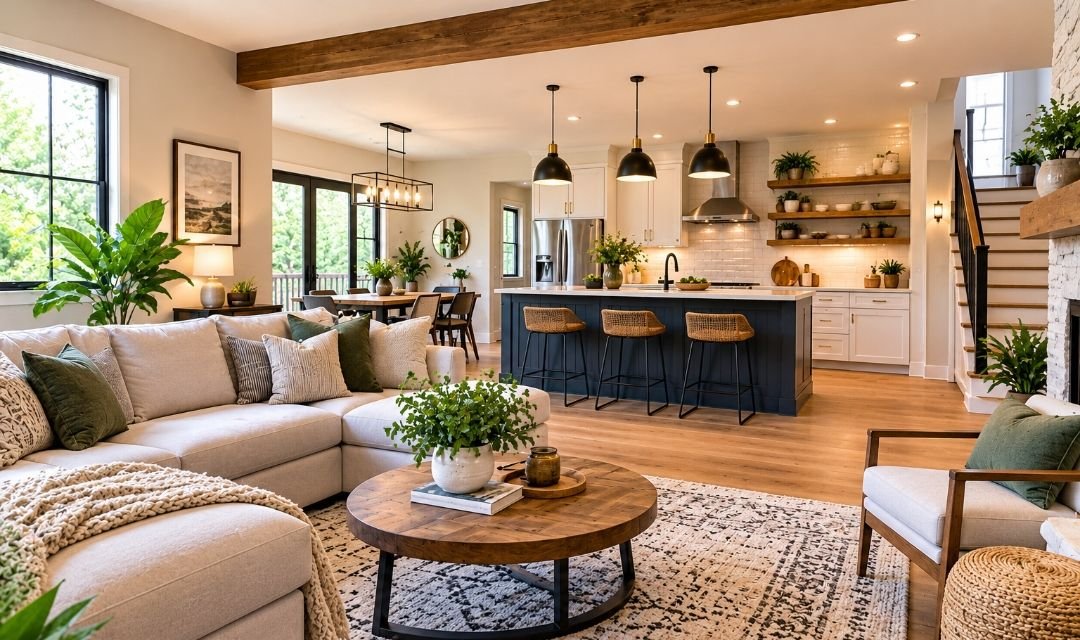
Home renovation ideas can help you turn an ordinary house into a beautiful, comfortable, and practical living space. Whether you want to update your kitchen, refresh your bathroom, or completely change your living room, the right improvements can make a big difference. According to the general principles of home improvement, renovation projects can involve upgrading, repairing, or changing different parts of a property to improve its appearance and function.
Renovating a home does not always require a large budget. Simple changes, such as painting walls, replacing old lighting, or adding storage, can make rooms feel fresh and modern.
Some homeowners prefer major renovations that include new flooring, kitchen cabinets, or bathroom fixtures. Others focus on smaller DIY projects that can be completed over a weekend.
The best approach depends on your budget, available space, personal style, and long-term goals.
This guide explores 25 practical home renovation ideas, along with budgeting advice, design tips, and common mistakes to avoid.
Quick Overview of Home Renovation Ideas
| Category | Details |
|---|---|
| Main topic | Home Renovation Ideas |
| Popular renovation areas | Kitchen, bathroom, living room, bedroom |
| Budget options | Low-cost, mid-range, and major renovations |
| Popular design styles | Modern, minimalist, traditional, Scandinavian |
| Affordable upgrades | Painting, lighting, hardware, shelves |
| Major improvements | Flooring, remodeling, structural changes |
| DIY-friendly projects | Painting, decorating, simple storage upgrades |
| Professional projects | Electrical, plumbing, structural work |
| Main benefits | Better comfort, appearance, and functionality |
| Planning priority | Budget, safety, and project scope |
| Suitable properties | Houses, apartments, and small homes |
Why Home Renovation Is Important
Home renovation can improve the way a property looks and functions.
Over time, homes develop problems such as worn flooring, outdated fixtures, damaged paint, and inefficient layouts.
Renovation allows homeowners to address these issues.
A well-planned project may also make daily activities easier.
For example, adding kitchen storage can reduce clutter, while improving bathroom ventilation can help control moisture.
Some renovations may increase property value, although the financial return depends on the local market and project cost.
Most importantly, home improvements should support the needs of the people living in the property.
1. Refresh Your Walls With Modern Paint Colors
Painting is one of the easiest home renovation ideas for changing a room’s appearance.
A fresh coat of paint can make old walls look cleaner and brighter.
Neutral colors such as white, beige, cream, and light gray work well in many homes.
These shades can make small rooms feel more open.
For a stronger look, consider using a dark green, navy blue, or warm terracotta accent wall.
Before painting, repair cracks and prepare the surface properly.
Good preparation helps paint last longer and produces a smoother finish.
2. Upgrade Your Kitchen Cabinets
Replacing all the cabinets can be expensive, but it is not always necessary.
If the existing cabinets are structurally sound, painting or refinishing them may be a more affordable option.
White cabinets create a bright and classic look.
Dark green, navy blue, and natural wood finishes can add character.
You can also replace cabinet handles and knobs.
Small hardware changes often make older cabinets look more modern.
3. Install a Stylish Kitchen Backsplash
A backsplash protects the wall behind kitchen counters from splashes and stains.
It can also become an attractive design feature.
Popular backsplash materials include ceramic tile, porcelain tile, glass, and natural stone.
Subway tiles offer a simple and timeless appearance.
Patterned tiles can create a more decorative look.
Choose materials that are easy to clean and suitable for kitchen conditions.
For homeowners on a tight budget, certain peel-and-stick products may provide a temporary decorative solution, provided they are rated for the intended location.
4. Improve Kitchen Lighting
Lighting is important for both appearance and safety.
A kitchen needs enough light for cooking, cleaning, and food preparation.
Under-cabinet lighting can brighten countertops.
Pendant lights can create an attractive feature above a kitchen island.
Recessed ceiling lights provide general illumination.
Using several types of lighting can make the kitchen more practical.
Electrical installation should be completed by a qualified professional when wiring changes are required.
5. Replace Old Kitchen Countertops
Countertops receive heavy daily use.
Scratches, stains, and worn surfaces can make a kitchen look outdated.
Replacing the countertops can improve the room’s appearance.
Popular materials include quartz, granite, laminate, butcher block, and solid-surface products.
Each material has advantages and disadvantages.
Laminate is often a lower-cost option.
Quartz is popular for its appearance and relatively simple maintenance.
Natural stone may require sealing and additional care.
Choose a countertop based on your budget, cooking habits, and maintenance preferences.
6. Renovate Your Bathroom With Modern Fixtures
Replacing old fixtures can improve comfort and appearance.
Consider upgrading the sink, vanity, faucet, showerhead, or toilet.
A modern vanity can provide useful storage.
Water-efficient fixtures may also reduce water consumption.
When renovating a bathroom, pay attention to waterproofing and ventilation.
Poor waterproofing can lead to expensive moisture damage.
Major plumbing and waterproofing work should be handled by experienced professionals.
7. Install a Walk-In Shower
Walk-in showers are popular in modern bathroom design.
They can create a cleaner appearance and make the room feel more spacious.
Glass shower panels allow light to move through the room.
Large-format tiles can reduce the number of visible grout lines.
A built-in shower niche provides convenient storage for shampoo and soap.
However, shower renovations require proper drainage and waterproofing.
An attractive shower is not a successful renovation if water leaks into the walls or floor.
8. Add a Modern Bathroom Mirror
A mirror can change the appearance of a bathroom without requiring major construction.
Large mirrors reflect light and can make small spaces feel bigger.
Round mirrors work well in contemporary bathrooms.
Rectangular mirrors offer a classic look.
Some homeowners choose mirrors with integrated lighting.
Before purchasing, measure the available wall space and consider the position of the sink and lighting.
A mirror should be both attractive and practical.
9. Upgrade Your Living Room Flooring
Old or damaged floors can make a home feel tired.
Replacing flooring can create a noticeable improvement.
Common options include hardwood, engineered wood, luxury vinyl, laminate, and tile.
The right choice depends on moisture exposure, foot traffic, maintenance needs, and budget.
Luxury vinyl and laminate are popular in many renovation projects because they offer a variety of appearances.
However, their durability and water resistance vary by product.
Always follow the manufacturer’s installation requirements.
10. Create a Beautiful Accent Wall
An accent wall adds visual interest without changing the entire room.
You can create one using paint, wallpaper, decorative molding, or wood panels.
A dark accent wall can make a large living room feel cozy.
A textured wall behind a bed can become a bedroom focal point.
Choose a wall that naturally attracts attention.
Avoid adding too many competing patterns.
A simple accent wall often looks more balanced than several heavily decorated surfaces.
11. Renovate Your Bedroom With a Minimalist Design
A bedroom should feel calm and comfortable.
Minimalist design focuses on simplicity and useful furniture.
Start by removing unnecessary clutter.
Choose soft colors, comfortable bedding, and practical storage.
A simple bed frame and matching bedside tables can create a coordinated look.
Warm lighting can make the space more relaxing.
You do not need to purchase expensive furniture to create a minimalist bedroom.
Often, better organization and a consistent color scheme are enough.
12. Add Built-In Storage Solutions
Storage is an important part of home renovation.
Poor storage can make even a large room feel crowded.
Built-in wardrobes, wall shelves, and under-stair cabinets can help organize belongings.
In small bedrooms, storage beds may provide extra space.
Living rooms can benefit from built-in shelving around a television or fireplace.
Before installing permanent storage, consider how the room will be used in the future.
Good storage should be accessible, practical, and easy to maintain.
13. Improve Your Home’s Natural Lighting
Natural light can make indoor spaces feel brighter and more welcoming.
Start by checking whether heavy curtains or large furniture block existing windows.
Light-colored walls can help reflect daylight.
Mirrors may also make a room appear brighter.
For a larger renovation, homeowners sometimes consider adding windows or skylights.
However, changing window openings can affect structural support, waterproofing, and energy performance.
Such projects may require permits and professional design.
14. Create an Open-Plan Living Space
Open-plan layouts combine areas such as the kitchen, dining room, and living room.
They can make a home feel more connected.
This design may improve movement between rooms and allow more natural light to spread through the space.
However, removing walls is not always simple.
Some walls support the structure of the building.
Removing a load-bearing wall without proper engineering can create serious safety problems.
Before changing a floor plan, consult a qualified structural professional and check local building requirements.
15. Upgrade Interior Doors and Handles
Interior doors are often overlooked during renovation.
Old doors may have scratches, damaged finishes, or outdated designs.
Painting or replacing them can refresh a hallway or bedroom.
Modern door handles can also improve the overall appearance.
Black, brushed nickel, and brass finishes are common choices.
Try to use a consistent hardware style throughout connected spaces.
This creates a more coordinated design.
16. Renovate Your Home Entrance
A clean and welcoming entrance can create a positive impression.
Consider repainting the front door or improving the lighting.
Inside, a small console table may provide space for keys and other essentials.
Wall hooks and shoe storage can reduce clutter.
A mirror can also make a narrow entrance feel larger.
Choose durable materials because entrance areas often experience heavy foot traffic.
17. Create a Functional Home Office
Working from home has increased interest in dedicated office spaces.
A home office does not need to occupy an entire room.
A quiet corner may be enough for a desk and chair.
Good lighting is essential.
Position the desk to reduce screen glare.
Choose a chair that supports comfortable working posture.
Add shelves or drawers to organize supplies.
If the room is shared with other activities, use furniture that can serve more than one purpose.
18. Improve Outdoor Living Spaces
Outdoor renovation can make a property more enjoyable.
A patio, balcony, or small garden can become an additional living area.
Consider comfortable seating, weather-resistant furniture, and appropriate outdoor lighting.
Plants can add color and soften hard surfaces.
For privacy, homeowners may use screens, fences, or suitable landscaping.
Choose materials designed for outdoor conditions.
Electrical equipment used outside should be properly rated and installed safely.
19. Add Energy-Efficient Improvements
Energy efficiency is an important consideration during renovation.
Better insulation, air sealing, and efficient windows may reduce heating and cooling needs.
LED lighting can use less electricity than older lighting technologies.
Efficient appliances may also lower energy consumption.
However, the savings depend on local climate, energy prices, building conditions, and usage.
Before spending money on major upgrades, consider a professional home energy assessment.
This can help identify the improvements most likely to provide value.
20. Update Your Ceiling Design
Ceilings can influence how a room feels.
A clean white ceiling often makes a space look brighter.
Decorative molding can add character to traditional interiors.
Some homeowners choose recessed lighting or simple ceiling panels.
However, complicated ceiling designs may make smaller rooms feel crowded.
Avoid sacrificing too much ceiling height.
Also, ensure that any changes involving electrical wiring or structural components are completed safely.
21. Add Smart Home Technology
Smart home devices can make daily activities more convenient.
Popular examples include smart thermostats, lighting controls, video doorbells, and connected security systems.
Some devices can be controlled through a smartphone.
Others can operate automatically according to schedules.
Before purchasing, check compatibility with your existing devices and internet connection.
Consider privacy and cybersecurity as well.
Smart devices should receive security updates, and default passwords should be changed.
22. Renovate a Small Laundry Room
Laundry rooms are often designed for function rather than appearance.
However, a few improvements can make them more organized.
Add shelves for cleaning supplies.
Use cabinets to hide clutter.
Install a practical countertop if space allows.
Good ventilation is important, especially when using a clothes dryer.
Water-resistant flooring can also be useful.
A small laundry room can become much more efficient with careful planning.
23. Improve Your Staircase
A staircase can become an attractive feature in a home.
Simple updates may include repainting the railing, refinishing wooden steps, or replacing worn stair coverings.
Good lighting is especially important for safety.
Handrails should be secure.
Stair dimensions and guardrails must meet applicable building requirements.
Avoid decorative changes that create slippery surfaces or uneven steps.
Safety should always come before appearance.
24. Use Space-Saving Furniture
Small homes benefit from furniture that performs several functions.
A sofa bed can provide sleeping space for guests.
A storage ottoman can hold blankets or other items.
Folding tables can create additional dining or working space.
Wall-mounted desks may help in compact rooms.
Before buying furniture, measure the available space.
Leave enough room for doors to open and people to move comfortably.
25. Refresh Your Home With Affordable Decor
Not every renovation requires construction.
Small decorative changes can refresh a room.
Consider replacing curtains, adding cushions, updating artwork, or introducing indoor plants.
A new rug can help define a seating area.
Matching decorative accessories can create a consistent style.
Avoid filling every available surface.
A few carefully selected items often look better than excessive decoration.
Home Renovation Ideas on a Budget
Home renovation can become expensive without proper planning.
Fortunately, many improvements are possible without major spending.
| Budget level | Renovation ideas | Relative cost |
|---|---|---|
| Low | Painting a room | $ |
| Low | Replacing cabinet handles | $ |
| Low | Adding shelves | $ |
| Low | Updating curtains and decor | $ |
| Low to medium | Replacing light fixtures | $–$$ |
| Medium | Refinishing cabinets | $$ |
| Medium | Installing new flooring | $$ |
| Medium to high | Replacing countertops | $$–$$$ |
| High | Full bathroom remodeling | $$$ |
| High | Major kitchen renovation | $$$ |
| High | Structural layout changes | $$$ |
These are relative cost categories, not price quotations. Actual costs vary by location, materials, labor, and project size.
How to Save Money During Renovation
Start with the improvements that matter most.
Repairing leaks or unsafe wiring should take priority over decorative changes.
Reuse existing materials when they are in good condition.
For example, refinishing cabinets may cost less than replacing them.
Compare quotations from qualified contractors.
Also, keep money available for unexpected problems.
Hidden water damage, outdated wiring, or structural issues can increase renovation expenses.
How to Plan a Successful Home Renovation
A successful renovation begins with clear planning.
First, identify what you want to improve.
Second, establish a realistic budget.
Third, decide which projects require professional help.
Fourth, select materials that suit your home and lifestyle.
Finally, prepare a project schedule.
Some improvements depend on other work being completed first.
For example, plumbing and electrical changes should usually be planned before installing finished wall surfaces.
Good planning can reduce delays, unnecessary expenses, and frustration.
Common Home Renovation Mistakes to Avoid
Many homeowners make similar mistakes during renovation projects.
One common problem is starting work without a complete budget.
Another is choosing attractive materials that are unsuitable for the room.
For example, flooring that performs well in a dry bedroom may not be suitable for a wet bathroom.
Poor measurements can also create problems.
Furniture, cabinets, and appliances should be measured carefully before purchase.
Another serious mistake is attempting electrical, gas, plumbing, or structural work without the required expertise.
Professional assistance is often essential for these tasks.
Modern Home Renovation Trends
Modern renovation design often focuses on comfort, natural materials, and practical spaces.
Warm neutral colors remain popular because they work with many furniture styles.
Wood finishes can add warmth.
Simple storage solutions help reduce clutter.
Energy efficiency and durable materials are also important considerations.
Rather than following every trend, choose designs that will remain useful over time.
A timeless renovation may provide better long-term satisfaction than a highly fashionable design that quickly feels outdated.
Final Thoughts
Home renovation ideas can help improve comfort, appearance, and everyday functionality without requiring a complete property makeover.
Simple projects such as painting, updating cabinet hardware, and improving lighting can create noticeable changes.
Larger renovations, including kitchen remodeling, bathroom upgrades, and new flooring, may provide additional benefits when planned carefully.
The most important step is choosing improvements that match your needs and budget.
Focus on safety, durability, and practical design before spending money on decorative features.
With thoughtful planning, even a modest renovation can make your home feel more welcoming and enjoyable for years to come.
Frequently Asked Questions About Home Renovation Ideas
1. What are the best home renovation ideas?
Popular ideas include repainting walls, upgrading kitchens, remodeling bathrooms, replacing flooring, and improving storage.
2. What is the cheapest way to renovate a home?
Painting, replacing hardware, updating lighting, and rearranging furniture are often affordable starting points.
3. How can I make my home look modern?
Use a consistent color scheme, simple furniture, practical storage, and updated lighting.
4. Which room should I renovate first?
Start with areas that have safety problems, damage, or the greatest impact on daily life.
5. Is kitchen renovation expensive?
It can be. Costs depend on the size of the kitchen, materials, appliances, and amount of construction.
6. How can I renovate my kitchen cheaply?
Consider painting cabinets, replacing handles, updating lighting, and installing an affordable backsplash.
7. What are the best bathroom renovation ideas?
Useful upgrades include better ventilation, modern fixtures, improved storage, and water-resistant surfaces.
8. Can I renovate my home myself?
Some projects, such as painting and simple decorating, are suitable for DIY. Technical and safety-critical work may require licensed professionals.
9. How long does home renovation take?
Small projects may take a weekend, while major renovations can require several weeks or months.
10. Does renovation increase home value?
Some improvements may increase property value, but the return depends on local market conditions and project costs.
11. What flooring is best for renovation?
The best flooring depends on moisture, foot traffic, budget, and maintenance needs.
12. How can I make a small room look bigger?
Use lighter colors, good lighting, mirrors, and appropriately sized furniture.
13. Are open-plan homes better?
They can improve connection between spaces, but they may also reduce privacy and sound separation.
14. What are popular kitchen cabinet colors?
White, beige, sage green, navy blue, and natural wood finishes are common choices.
15. What is the best paint color for a living room?
Neutral shades are versatile, but the ideal color depends on lighting and personal preference.
16. How can I improve home lighting?
Combine general lighting with task lighting and decorative fixtures.
17. Are smart home upgrades worth it?
They can improve convenience, but value depends on cost, compatibility, security, and actual use.
18. How can I renovate without changing the floor plan?
Focus on paint, flooring, lighting, fixtures, cabinetry, and storage.
19. What should I avoid during renovation?
Avoid poor planning, unrealistic budgets, unsafe DIY work, and unsuitable materials.
20. How much should I budget for unexpected costs?
Many homeowners set aside a contingency of roughly 10–20%, although older properties or complex projects may require more.
21. What are the best bedroom renovation ideas?
Try new paint, improved lighting, built-in storage, and comfortable furniture.
22. How can I make my house energy-efficient?
Consider insulation, air sealing, efficient lighting, and suitable heating or cooling improvements.
23. Should I hire a renovation contractor?
Hire qualified professionals for complex work and projects involving structural, electrical, plumbing, or gas systems.
24. What is the difference between renovation and remodeling?
Renovation generally updates or restores an existing space, while remodeling often changes its layout or structure.
25. What home renovation ideas are best for small houses?
Space-saving furniture, built-in storage, light colors, and efficient layouts are particularly useful.
For more home improvement guides, renovation inspiration, interior design ideas, and lifestyle articles, visit Picanto Magazin