
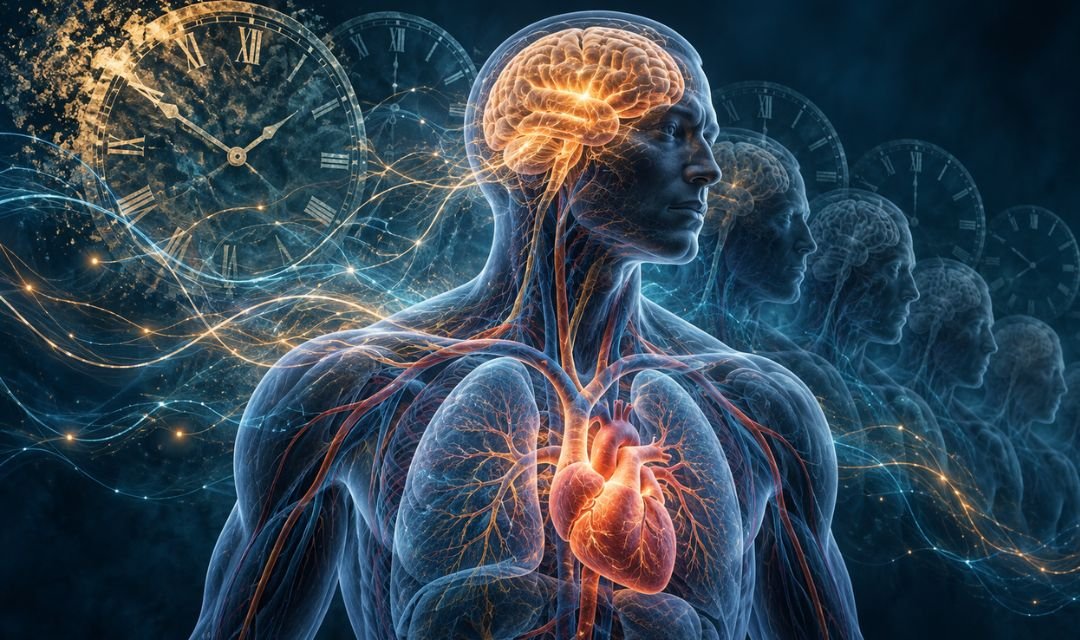
Cocaine has been called a lot of things over the decades, a party drug, a rich person’s habit, a 1980s relic. None of those labels captures what it actually does to a person. Underneath the short-lived euphoria is a drug that rewires the brain with surprising speed, strains nearly every organ system, and makes stopping genuinely difficult without the right support. Understanding the biology helps explain why willpower alone rarely does the job.
This article covers how cocaine acts on the brain, what happens to the body during short-term and long-term use, the physical and psychological signs that use has become a problem, and what the evidence says about recovery. Whether you are curious for yourself, for someone close to you, or simply want accurate information, here is what the science shows.
What Cocaine Does to the Brain
Cocaine is a stimulant that works primarily by blocking the reuptake of dopamine in the brain’s reward circuitry. Normally, dopamine is released between neurons, binds to receptors, and then gets pulled back into the sending neuron through a transporter protein. Cocaine jams that transporter. Dopamine floods the synapse, binding repeatedly to receptors and producing an intense sense of pleasure, energy, and confidence.
The problem is proportion. Natural rewards, things like food, social connection, and exercise, raise dopamine levels modestly. Cocaine can increase dopamine activity three to five times above baseline, according to research published by the National Institute on Drug Abuse. The brain is not built for that kind of spike. It responds by pulling back its own dopamine production and reducing the number of available receptors, essentially trying to restore balance. Over time, ordinary pleasures no longer produce enough dopamine to feel good. The person needs cocaine just to feel normal, not even to feel good.
Cocaine also affects serotonin and norepinephrine, which influence mood, alertness, and the stress response. This is part of why the crash after a cocaine high involves anxiety, irritability, and fatigue rather than just neutral tiredness. The brain has been chemically disrupted, and it takes time to recalibrate.
Short-Term Physical Effects
The immediate physical effects of cocaine use are tied to its stimulant properties. The drug raises heart rate and blood pressure quickly, constricts blood vessels, dilates pupils, and raises body temperature. Most people notice increased energy and decreased appetite. Talking faster, moving with more urgency, feeling unusually alert: these are common early signs.
The duration depends on how the drug is used. Snorting cocaine produces effects that peak within 15 to 30 minutes and fade within an hour. Smoking crack cocaine produces a faster, more intense effect that lasts only 5 to 10 minutes, which is part of why it carries a higher risk of rapid dependence. The shorter the high, the more frequently a person tends to redose.
Even during a single session, the cardiovascular strain is real. Cocaine-associated chest pain accounts for a significant share of emergency department visits in the United States. The American Heart Association has noted that cocaine use is a major risk factor for sudden cardiac events even in young, otherwise healthy adults.
Long-Term Consequences Across Body Systems
Regular cocaine use leaves a trail of damage across multiple systems. The effects are not always visible from the outside, but they accumulate. Below is a summary of how sustained use affects different parts of the body.
| Body System | Effect of Long-Term Cocaine Use |
| Cardiovascular | Increased risk of heart attack, irregular heart rhythm, thickened heart muscle walls, accelerated atherosclerosis |
| Respiratory | Chronic cough, reduced lung function for those who smoke crack; nasal tissue damage for those who snort |
| Brain | Reduced gray matter volume, impaired memory and attention, heightened risk of stroke |
| Kidneys | Reduced blood flow to the kidneys, elevated risk of acute kidney injury and long-term kidney disease |
| Mental Health | Cocaine-induced psychosis, paranoia, anxiety disorders, worsened depression after each use cycle |
| Immune System | Weakened immune response, increased vulnerability to infections |
The nasal damage from snorting deserves specific mention because it is often underestimated. Cocaine constricts blood vessels in the nasal tissue. Over months or years, this repeated constriction starves the septum of blood supply, eventually causing perforation. In severe cases, the cartilage and bone structure of the nose collapse. These changes can become permanent.
Recognizing a Cocaine Use Disorder
Not every person who uses cocaine develops a use disorder, but the line between recreational use and compulsive use can blur faster than most people expect. The brain changes described earlier happen without a person realizing it. By the time someone notices they have lost control over how much or how often they use, the neurological groundwork for dependence may already be in place.
The Diagnostic and Statistical Manual of Mental Disorders, Fifth Edition (DSM-5) outlines criteria for stimulant use disorder. Clinicians look at a pattern of use that causes significant impairment or distress, using more than intended, repeated failed attempts to cut back, spending excessive time obtaining or recovering from the drug, and continuing despite clear physical or psychological harm.
- Using larger amounts or for longer periods than originally planned
- Persistent desire to cut down with unsuccessful attempts to do so
- Craving cocaine strongly enough that it interrupts thoughts
- Failing to meet obligations at work, school, or home because of use
- Continuing to use despite relationship conflicts directly caused by it
- Giving up activities that used to be meaningful in order to use
- Putting oneself in risky situations while under the influence
- Experiencing withdrawal symptoms when use stops
Cocaine withdrawal does not produce the dramatic physical symptoms associated with opioid or alcohol withdrawal, but that does not mean it is easy. The main withdrawal symptoms are psychological: intense fatigue, strong cravings, depressed mood, difficulty sleeping, and slowed thinking. These symptoms can last days to weeks, and the intensity of cravings is one of the main reasons people relapse early in recovery.
What Recovery Actually Looks Like
Recovery from cocaine dependence is possible, and a meaningful body of research supports that outcome. The brain has plasticity. Given time, reduced stress, and the right support, dopamine systems can recover some of their baseline function. That process is measured in months, not days, and the early weeks tend to be the most vulnerable.
For people whose use has become entrenched, structured treatment for cocaine addiction typically combines medical monitoring during the withdrawal phase with behavioral therapies that address the psychological side of dependence. Cognitive behavioral therapy has the strongest evidence base for stimulant use disorders, helping people identify triggers, change thought patterns that reinforce use, and build practical coping skills.
Contingency management is another approach with solid research behind it. It uses positive reinforcement, such as vouchers or small rewards, to encourage abstinence and engagement with treatment. Studies reviewed by the Substance Abuse and Mental Health Services Administration have found it particularly effective for stimulant use disorders when combined with counseling.
As of now, no medication has received FDA approval specifically for cocaine use disorder, which is a significant gap compared to opioid or alcohol treatment. Researchers are actively studying compounds including modafinil, disulfiram, and topiramate, but none have produced consistent enough results for regulatory approval. This makes the behavioral component of treatment especially important.
Factors That Shape Recovery Outcomes
Recovery is not a uniform experience. Several factors influence how difficult the process is and how durable the results tend to be.
- Duration and intensity of use: longer, heavier use tends to involve more pronounced brain adaptations and a longer adjustment period.
- Co-occurring mental health conditions: depression, anxiety, and ADHD are common alongside cocaine use disorder and need to be addressed directly.
- Social environment: access to people who support sobriety, and distance from environments where cocaine is present, significantly affects outcomes.
- Motivation and readiness: research consistently shows that internal motivation, even if it develops gradually, predicts better long-term results than external pressure alone.
- Access to structured support: people who engage with professional support early in recovery have better outcomes than those who attempt to stop without any framework.
Relapse, if it happens, does not mean failure. It is a recognized part of many recovery journeys. The more useful framing is to treat it as information: what triggered the return to use, what was missing from the recovery plan, and what needs to change. Many people who achieve lasting recovery have had periods of relapse before finding what works for them.
A Few Numbers Worth Knowing
Statistics on cocaine use help frame the scale of the issue. According to the 2022 National Survey on Drug Use and Health, conducted by SAMHSA, approximately 4.8 million people in the United States reported using cocaine in the past year. Among adults aged 18 to 25, cocaine use rates are notably higher than in older age groups. The same survey found that roughly 1.4 million people met the criteria for a cocaine use disorder, meaning that use had crossed into compulsive, harmful territory.
Emergency department data from the Drug Abuse Warning Network has historically shown cocaine as one of the leading substances implicated in drug-related ED visits, often in combination with alcohol. Mixing cocaine and alcohol creates a third compound called cocaethylene in the liver, which is more toxic to the heart than either substance alone and prolongs the duration of the cocaine effect, increasing the total cardiac strain.
These numbers reflect real people making their way through circumstances that are often more complicated than simple choice. Biology, environment, mental health, and social context all feed into why someone starts using and why stopping feels difficult. Understanding that complexity is the starting point for any honest conversation about cocaine and recovery.