
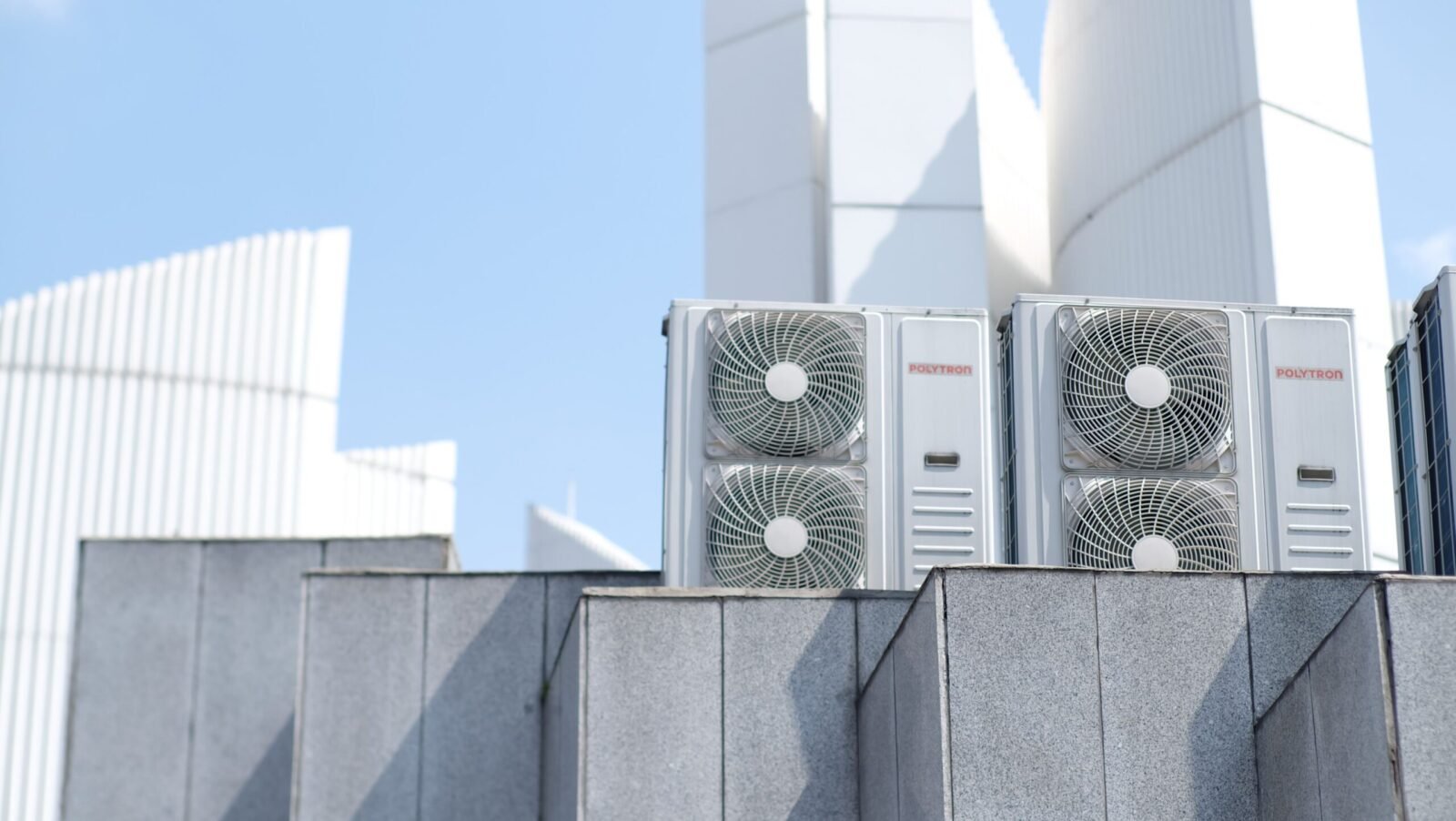
As summer fades and cooler temperatures begin to settle in, your HVAC system quietly takes on a new responsibility of keeping your home warm, comfortable, and energy-efficient throughout the winter. While it is easy to assume that your heating system will work perfectly simply because it did last year, months of inactivity can reveal small problems that become much bigger once the temperature drops.
Preparing your HVAC system before winter is therefore less about reacting to a breakdown and more about preventing one. A few simple checks, timely maintenance, and small improvements around your home can help your system operate more efficiently while reducing unnecessary strain. Whether you have a furnace, heat pump, or another type of heating system, these five steps can help you get ready before winter arrives.
5 steps to prepare your HVAC system for the colder months
Winter preparation is really about giving your HVAC system the best possible conditions to do its job when you need it most. Following these 5 steps before winter arrives can help you avoid unnecessary disruptions and make your home feel consistently comfortable throughout the season.
1. Schedule a Professional HVAC Inspection Early
One of the smartest things you can do before winter arrives is schedule a professional inspection of your heating system. Rather than waiting until the first particularly cold night to discover that something is wrong, have a qualified technician assess the system while there is still plenty of time to address any issues.
For homeowners, searching for local HVAC services in Las Vegas for an early-season inspection can be especially useful because HVAC systems may sit relatively idle during warmer months before suddenly being called upon to provide consistent heat. A professional can examine important components, check electrical connections, assess airflow, inspect the thermostat, and identify signs of wear that may not be obvious to the average homeowner.
For fuel-burning furnaces, seasonal maintenance is also important from a safety perspective. A technician can inspect the burner, heat exchanger, combustion process, and other components to make sure the system is operating properly. Think of this appointment as preventive care rather than an emergency repair.
2. Choose the Right HVAC Professional for the Job
Not every HVAC maintenance visit is equally thorough, so choosing the right professional matters. When comparing contractors, look for someone like Premier Heating Services, who is properly qualified, experienced with your type of heating equipment, transparent about the work being performed, and willing to explain any problems they discover.
A good seasonal tune-up should involve more than simply turning the thermostat to heat and confirming that warm air comes from the vents. The technician should take the time to inspect the system’s major components, look for potential safety concerns, check operating performance, and identify anything that could affect reliability or efficiency during the colder months.
This is also an ideal time to ask questions about your system’s condition. If your furnace or heat pump is several years old, a professional can help you understand whether routine maintenance is likely to keep it running reliably or whether certain repairs may become necessary in the near future. Having that information before winter gives you the opportunity to make decisions calmly, rather than being forced into them during an unexpected heating emergency.
3. Replace or Clean Your HVAC Filter
Your air filter might look like a small and insignificant component, but it plays an important role in maintaining airflow and protecting your HVAC equipment. As the filter collects dust and other airborne particles, it can eventually become clogged, forcing the system to work harder to move air throughout the home.
ENERGY STAR recommends checking HVAC filters monthly during periods of heavy use and changing them when they become dirty. At minimum, many systems require replacement about every three months, although the appropriate schedule depends on the filter and household conditions.
Before winter begins, inspect your filter and replace it if necessary. However, avoid assuming that the highest-rated filter is automatically the best choice. A filter with a higher MERV rating can capture more particles, but your HVAC system must be able to accommodate it without restricting airflow. If you are unsure, ask a professional to recommend an appropriate filter for your equipment.
4. Test Your Thermostat and Heating System
Do not wait until a freezing night to discover that your thermostat or heating system is not working properly. Before winter weather becomes intense, switch your thermostat to heating mode and allow the system to run for a while.
Pay attention to what you hear and feel. Warm air should reach the vents, the system should start and stop normally, and there should not be persistent, unusual noises or odors. If the system repeatedly turns on and off within a short period, struggles to reach the desired temperature, or produces unusual sounds, it deserves further investigation.
This is also a good opportunity to review your thermostat settings. A programmable or smart thermostat can help match heating schedules to your daily routine, so you are not unnecessarily heating an empty house.
5. Inspect Vents, Ductwork, and the Area Around Your HVAC Equipment
Even a well-maintained furnace or heat pump cannot perform efficiently if the air it produces cannot move freely throughout your home. Walk through each room and make sure supply vents and return registers are open and unobstructed. Furniture, rugs, curtains, and household items should not block them.
It is also worth checking accessible ductwork for obvious gaps or damage. Leaky ducts can allow conditioned air to escape before it reaches the rooms where it is needed, reducing efficiency and comfort. Do not overlook the area surrounding your HVAC equipment, either. Keep it clean and free of boxes, stored belongings, dust, or other objects that could interfere with operation or maintenance.
Parting Thoughts
Getting your HVAC system ready for winter does not have to be complicated, but it should be intentional. Small precautions like scheduling professional maintenance, replacing a dirty filter, checking airflow, and inspecting ductwork can collectively make your home more comfortable and your heating system more dependable.
Most importantly, do not wait for winter to expose a problem that could have been identified months earlier. Preventive maintenance gives you time to address minor issues before they become expensive emergencies, while simple energy-efficiency improvements can reduce the amount of work your system has to do.
A little preparation before the temperature drops can therefore make a significant difference. When winter finally arrives, you want your HVAC system to do exactly what it was designed to do: keep your home warm, comfortable, and ready for the season ahead.