
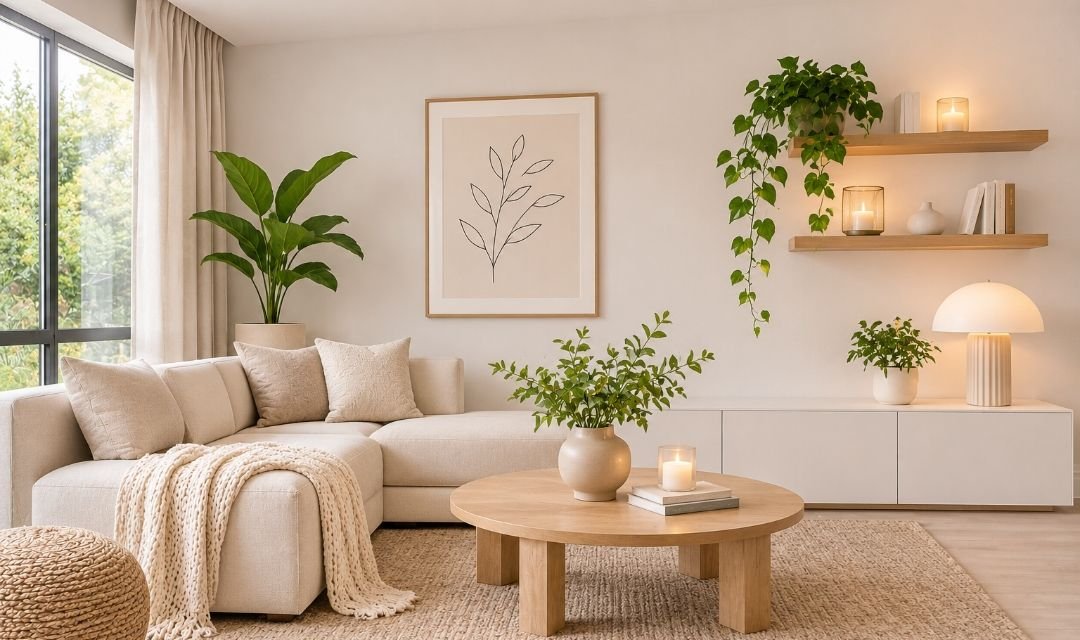
Minimalist home decor is a beautiful way to create a peaceful, organized, and comfortable home without filling every corner with furniture and decorations. This decorating style focuses on simple colors, useful furniture, natural materials, and open spaces. Inspired by the ideas behind minimalism, it encourages homeowners to choose fewer but more meaningful items while keeping their living spaces stylish and practical.
Quick Overview of Minimalist Home Decor
| Feature | Details |
|---|---|
| Focus keyword | Minimalist Home Decor |
| Design philosophy | Simplicity, comfort, and functionality |
| Popular styles | Modern, Scandinavian, Japandi, warm minimalism |
| Main colors | White, beige, cream, gray, soft brown |
| Accent colors | Sage green, olive, terracotta, charcoal |
| Common materials | Natural wood, cotton, linen, stone, glass |
| Furniture | Simple, comfortable, multifunctional |
| Lighting | Natural daylight, warm lamps, pendant lights |
| Storage | Hidden cabinets, drawers, floating shelves |
| Best for | Apartments, bedrooms, living rooms, family homes |
| Budget options | Decluttering, painting, rearranging furniture |
| Overall goal | A calm, welcoming, clutter-free home |
A minimalist home is not an empty home. It is a place where every piece of furniture and every decoration has a reason to be there.
Many people believe minimalism means using only white walls, plain furniture, and almost no decorations. However, modern minimalist interiors can include warm colors, soft fabrics, wooden furniture, artwork, and beautiful plants.
The secret is balance.
Instead of buying many decorative items, you select a few that make your home feel special.
In this guide, you will discover 30 practical minimalist home decor ideas for living rooms, bedrooms, kitchens, bathrooms, and small apartments. You will also learn how to decorate on a budget, choose colors, avoid common mistakes, and create a home that feels both modern and cozy.
What Is Minimalist Home Decor?
Minimalist home decor is an interior decorating approach that removes unnecessary visual clutter while keeping the things that make a home useful and comfortable.
It focuses on three main principles: simplicity, functionality, and balance.
Simplicity means choosing clean shapes, coordinated colors, and carefully selected decorations.
Functionality means making sure furniture and accessories serve a practical purpose.
Balance means arranging everything so the room feels comfortable rather than crowded.
For example, a minimalist living room might contain a neutral sofa, wooden coffee table, soft rug, floor lamp, and one large painting.
This arrangement can feel complete without needing dozens of decorative objects.
Minimalist decorating also encourages thoughtful shopping. Rather than replacing furniture whenever trends change, you can choose durable pieces that remain useful for years.
30 Minimalist Home Decor Ideas for a Beautiful Home
1. Start With a Simple Color Palette
Color is one of the easiest ways to create a minimalist appearance.
Choose two or three main colors that work well together.
White, cream, beige, and warm gray are popular starting points.
For example, cream walls can look beautiful with a beige sofa and light wooden furniture.
You can also add one accent color, such as sage green or terracotta.
Avoid using too many competing shades in the same room.
A consistent palette makes your home feel connected and organized.
2. Remove Unnecessary Clutter
Before purchasing anything new, look around your home.
Are there objects you no longer use?
Do you have decorative items covering every shelf?
Start by removing unnecessary belongings.
Organize items into categories such as keep, donate, recycle, and discard.
However, do not throw away meaningful possessions simply to follow a decorating trend.
Minimalism is about making thoughtful choices.
A cleaner room can look dramatically different without spending money.
3. Choose Furniture With Clean Lines
Minimalist furniture often features simple shapes and smooth surfaces.
Look for sofas with straightforward designs, tables with slim legs, and cabinets without excessive decoration.
However, furniture should also be comfortable.
A beautiful chair is not useful if nobody enjoys sitting in it.
Choose pieces that fit your room and support everyday activities.
Simple furniture can remain attractive even when decorating trends change.
4. Add Natural Wooden Furniture
Wood is one of the best materials for creating warm minimalist interiors.
A wooden coffee table can soften a modern living room.
A simple oak-style bed frame can create a peaceful bedroom.
Wooden shelves can add character without overwhelming the walls.
Light wood works well with cream and white.
Walnut-colored furniture can create a richer appearance.
Choose complementary wood tones rather than trying to match every item perfectly.
5. Let Natural Light Enter Your Home
Natural light can make minimalist interiors feel brighter and more welcoming.
Avoid placing tall furniture directly in front of windows.
Use light curtains where privacy allows.
Keep window areas clean and organized.
A mirror placed thoughtfully may reflect daylight into darker areas.
However, remember that privacy, heat, and glare are also important.
Choose window coverings that work with your climate and daily routine.
6. Use Warm and Comfortable Lighting
Minimalist interiors should not feel cold.
Warm lighting can create a welcoming atmosphere.
Use table lamps beside sofas.
Install suitable bedside lighting.
Consider simple pendant fixtures above dining tables.
Layer different light sources instead of relying on one bright ceiling light.
This allows you to change the atmosphere depending on the activity.
For electrical installation, always follow safety requirements and use qualified professionals when needed.
7. Choose a Neutral Sofa
A sofa is often the largest furniture piece in the living room.
Choose a comfortable design in beige, cream, gray, or another coordinated shade.
A simple sofa can work with different decorating styles.
Add a few cushions for texture.
Avoid overcrowding the seating area with unnecessary pillows.
If your current sofa remains comfortable, consider replacing its covers or updating nearby accessories instead of purchasing a new one.
8. Add One Statement Artwork
Minimalist homes can include beautiful artwork.
The key is choosing pieces carefully.
Instead of covering an entire wall with small decorations, consider one large painting.
Abstract artwork can create a modern appearance.
Landscape photography may add a peaceful feeling.
Choose something you genuinely enjoy.
Artwork should make the room feel personal rather than simply fill empty space.
9. Decorate With Indoor Plants
Plants can add natural color to neutral interiors.
A tall plant can look attractive beside a sofa.
A small plant may work well on a shelf.
Choose plants based on available light and maintenance needs.
Snake plants, spider plants, and pothos are common indoor options.
Some plants can be harmful to pets, so check safety before bringing them home.
You only need a few plants to create a natural atmosphere.
10. Use Hidden Storage Furniture
Hidden storage is especially helpful in minimalist homes.
Choose a coffee table with drawers.
Use a storage ottoman for blankets.
Consider a bed with built-in storage.
Closed cabinets can hide everyday objects that do not need to remain on display.
However, storage should be easy to access.
A practical storage system helps maintain an organized appearance without making everyday life difficult.
11. Create a Cozy Minimalist Living Room
A minimalist living room should feel comfortable enough for everyday use.
Start with a suitable sofa.
Add a coffee table and soft rug.
Choose practical lighting.
Include storage for remote controls, books, and other belongings.
Keep the layout open enough for comfortable movement.
You can add personal photographs or a favorite painting.
The goal is not to create a furniture showroom.
It is to make a welcoming place for family and friends.
12. Design a Peaceful Minimalist Bedroom
A bedroom should support rest and relaxation.
Choose comfortable bedding in coordinated colors.
Use simple bedside tables.
Keep unnecessary objects away from the bed.
Soft lighting can make the room feel more peaceful.
A wooden or upholstered headboard can add warmth.
Choose curtains that provide suitable privacy and light control.
A minimalist bedroom should feel cozy rather than empty.
13. Keep Kitchen Countertops Organized
Minimalist kitchens often look clean because countertops are carefully organized.
Store rarely used appliances in cabinets when practical.
Use drawers for utensils.
Keep everyday cooking tools accessible.
Choose simple storage containers.
However, do not sacrifice kitchen functionality just to achieve an uncluttered appearance.
Your kitchen should remain easy to cook in.
A practical arrangement is more important than perfectly empty countertops.
14. Choose Simple Kitchen Cabinets
Flat-panel cabinets are common in minimalist kitchens.
They create a smooth and streamlined appearance.
White, cream, gray, and natural wood are popular finishes.
Cabinets without complicated decorative details can be easier to coordinate with other materials.
However, cabinet quality matters.
Choose durable finishes that suit your cooking habits.
Good storage planning is just as important as appearance.
15. Create a Minimalist Bathroom
A minimalist bathroom can feel calm and organized.
Choose coordinated tiles and fixtures.
Use a simple mirror.
Store toiletries in suitable cabinets.
A floating vanity can create a lighter visual appearance.
However, bathrooms require proper waterproofing, ventilation, and safe flooring.
Never ignore these practical requirements for decorative reasons.
A beautiful bathroom should also be safe and easy to maintain.
16. Use Soft and Textured Fabrics
Texture prevents minimalist rooms from feeling flat.
Consider linen curtains, cotton cushions, woven rugs, and knitted throws.
A cream sofa can look beautiful with a textured blanket.
A wooden bed can complement soft white bedding.
Mixing a few textures creates visual interest without needing many colors.
Choose materials that are comfortable and suitable for your household.
17. Add a Simple Area Rug
An area rug can connect furniture and make a room feel complete.
Neutral rugs are popular in minimalist interiors.
Beige, cream, soft gray, and natural woven finishes work well.
Choose a rug that fits the seating area.
A rug that is too small may make furniture look disconnected.
Consider cleaning requirements and durability before purchasing.
A simple rug can add comfort without overwhelming the room.
18. Use Floating Shelves Carefully
Floating shelves can provide storage without occupying floor space.
They work well in bedrooms, living rooms, and home offices.
Display a few books, plants, or decorative objects.
Avoid filling every shelf completely.
Leave some open space.
Install shelves using appropriate supports.
A carefully arranged shelf can look beautiful while remaining practical.
19. Choose a Simple Dining Table
A minimalist dining room does not need elaborate furniture.
A wooden table with clean lines can create a welcoming atmosphere.
Choose comfortable chairs.
Use a simple pendant light if suitable.
A small vase may be enough for decoration.
However, leave adequate space for movement around the table.
A dining room should support comfortable meals rather than focus only on appearance.
20. Add Mirrors for Light and Depth
Mirrors can make rooms feel brighter.
A large mirror may work well in a hallway.
A round mirror can add a soft shape to a bedroom.
Mirrors can also reflect natural light.
However, avoid placing them where reflections create glare.
Choose frames that complement your furniture.
Always secure large mirrors properly.
21. Use Multifunctional Furniture
Multifunctional furniture is particularly useful in smaller homes.
A sofa bed can provide additional sleeping space.
A storage bench can hold blankets.
An extendable dining table can accommodate guests.
A desk with drawers can organize office supplies.
Choose furniture that is easy to use and durable.
The best multifunctional pieces save space without reducing comfort.
22. Try Warm Minimalism
Warm minimalism combines simple design with cozy materials.
Instead of using only white and gray, it includes beige, caramel, cream, and soft brown.
Natural wood adds warmth.
Soft rugs and textured curtains create comfort.
Warm lighting completes the appearance.
This style works well for homeowners who enjoy minimalist interiors but do not want their rooms to feel cold.
23. Explore Japandi-Inspired Decor
Japandi is a decorating approach that combines influences from Japanese and Scandinavian design.
It often features simple furniture, natural materials, muted colors, and carefully selected objects.
Low-profile furniture may suit some rooms.
Wood, linen, and ceramic accessories are common choices.
However, you do not need to follow every design rule.
Choose the elements that work for your home.
The goal is to create a balanced and comfortable space.
24. Keep Your Entryway Simple
The entryway creates the first impression of your home.
Use a narrow console table if space allows.
Add hooks for coats and bags.
A shoe cabinet can reduce clutter.
A simple mirror may reflect light.
Keep walking paths clear.
Avoid filling the entrance with unnecessary furniture.
A practical entryway can make the whole home feel more organized.
25. Create a Minimalist Home Office
A minimalist workspace can support concentration and organization.
Choose a desk that fits the room.
Use a comfortable chair.
Keep cables organized.
Add suitable task lighting.
Store office supplies in drawers or shelves.
However, do not remove equipment that you need for work.
The goal is to create a practical workspace with fewer distractions.
26. Choose Quality Over Quantity
Minimalist decorating encourages thoughtful purchasing.
Instead of buying several inexpensive items that may wear out quickly, consider whether one durable piece would serve you better.
However, expensive does not always mean better.
Compare materials, construction, comfort, and maintenance requirements.
Secondhand furniture can also be a practical choice.
Buy items because they meet your needs, not simply because they are fashionable.
27. Use a Consistent Flooring Style
Flooring influences how connected a home feels.
Using similar flooring across suitable rooms can create visual continuity.
Wood and wood-look materials often complement minimalist interiors.
Neutral tiles can work well in kitchens and bathrooms.
However, flooring must suit each room’s conditions.
Consider moisture, durability, slip resistance, and cleaning.
Choose practical materials before focusing on appearance.
28. Leave Some Empty Space
Empty space is an important part of minimalist decorating.
Not every corner needs furniture.
Not every wall needs artwork.
Not every shelf needs decorations.
Open areas can help rooms feel balanced.
However, empty space should not make the room uncomfortable or impractical.
The goal is to provide enough room for movement and everyday activities.
29. Personalize With Meaningful Objects
Minimalist homes should reflect the people who live in them.
Display a favorite photograph.
Keep books you enjoy.
Choose artwork that has personal meaning.
A handmade decorative item can add character.
However, avoid collecting objects simply to fill shelves.
A few meaningful items can make a room feel special.
Minimalism works best when it supports your personality.
30. Maintain a Simple Cleaning Routine
A minimalist home is easier to enjoy when it remains organized.
Return items to their proper places.
Keep frequently used surfaces clear.
Review storage areas occasionally.
Remove belongings that no longer serve a purpose.
However, your home does not need to look perfect every day.
A practical cleaning routine should fit your lifestyle.
The goal is a comfortable home, not an unrealistic standard of perfection.
Best Color Combinations for Minimalist Home Decor
Choosing a coordinated color palette can make decorating easier.
| Color combination | Best room | Overall appearance |
|---|---|---|
| White and beige | Living room | Bright and peaceful |
| Cream and oak | Bedroom | Warm and natural |
| Soft gray and white | Home office | Clean and modern |
| Sage green and cream | Kitchen | Fresh and relaxing |
| Walnut and warm white | Dining room | Elegant and cozy |
| Terracotta and beige | Living room | Earthy and welcoming |
| Charcoal and cream | Bedroom | Bold and balanced |
| Olive green and natural wood | Family room | Calm and organic |
Choose colors based on available light, furniture, and personal preferences.
Minimalist Home Decor for Small Spaces
Minimalism can be particularly useful in compact homes.
Small rooms benefit from furniture that fits the available space.
Avoid oversized sofas and cabinets.
Use vertical storage.
Consider furniture with built-in compartments.
Keep walking paths clear.
Choose a limited color palette.
Use mirrors and lighting thoughtfully.
However, do not sacrifice comfort to make a room look larger.
A well-designed small home should support everyday living.
Small Apartment Decorating Ideas
For small apartments, focus on flexible furniture.
A folding dining table can save space.
A storage bed can organize bedding.
Wall-mounted shelves can reduce the need for additional cabinets.
A compact sofa may work better than a large sectional.
Use rugs or furniture arrangements to define different areas.
These ideas can make small apartments feel more practical without requiring structural changes.
Minimalist Home Decor on a Budget
Creating a minimalist home does not require a large decorating budget.
Start with what you already own.
Rearrange furniture.
Remove unnecessary clutter.
Refinish suitable wooden furniture.
Paint walls when needed.
Replace outdated cushion covers.
Use affordable storage organizers.
Choose simple artwork.
Small improvements can create a noticeable difference.
Example $500 Minimalist Home Makeover Budget
| Improvement | Example cost |
|---|---|
| Paint and supplies | $100 |
| Storage organizers | $70 |
| Lighting upgrades | $80 |
| Curtains and cushions | $90 |
| Wall art | $40 |
| Plants and accessories | $40 |
| Contingency | $80 |
| Total | $500 |
These amounts are examples rather than current retail prices. Actual costs depend on location, materials, and project requirements.
Minimalist Home Decor Trends for 2026
Several decorating directions are relevant to minimalist homes in 2026.
Warm minimalism remains a useful approach for creating comfortable interiors.
Natural wood and earthy colors can make simple rooms feel welcoming.
Japandi-inspired furniture offers a balance between natural materials and clean shapes.
Multifunctional furniture remains practical for small homes.
Built-in storage can help reduce clutter.
Durable materials and energy-conscious lighting are also useful considerations.
However, trends should not control every decorating decision.
Choose designs that remain comfortable and practical for your household.
Common Minimalist Home Decor Mistakes
Minimalist decorating can become less effective when homeowners focus only on appearance.
One common mistake is removing too much furniture.
A room may look simple but become uncomfortable.
Another mistake is choosing only hard materials and cool colors.
Soft fabrics and natural wood can create warmth.
Some homeowners purchase expensive minimalist furniture without considering everyday needs.
Another problem is insufficient storage.
Without practical storage, clutter can quickly return.
Finally, avoid copying a design exactly without considering your own room dimensions.
The best minimalist interior should fit your lifestyle.
How to Decorate Your Home in a Minimalist Style
Follow these simple steps when planning a makeover:
-
Review your current furniture and belongings.
-
Remove unnecessary clutter.
-
Measure each room.
-
Choose a consistent color palette.
-
Identify essential furniture.
-
Plan practical storage.
-
Improve natural and artificial lighting.
-
Add soft textures and natural materials.
-
Select a few meaningful decorations.
-
Maintain a comfortable organization routine.
You do not need to change your entire home at once.
Start with one room and make improvements gradually.
Frequently Asked Questions About Minimalist Home Decor
1. What is minimalist home decor?
Minimalist home decor is a decorating style that emphasizes simple furniture, practical storage, coordinated colors, and limited unnecessary decoration.
2. How do I make my home look minimalist?
Start by decluttering, choosing simple furniture, improving storage, and using a coordinated color palette.
3. What colors are best for minimalist homes?
White, cream, beige, gray, sage green, and other muted shades are popular options.
4. Is minimalist home decor expensive?
Not necessarily. Decluttering, rearranging furniture, and painting can be affordable ways to refresh a home.
5. Can a minimalist home feel cozy?
Yes. Soft fabrics, warm lighting, natural wood, and comfortable furniture can create a welcoming atmosphere.
6. What furniture is best for minimalist interiors?
Furniture with clean lines, practical functions, and suitable proportions often works well.
7. Is minimalism good for small apartments?
Yes. It encourages efficient furniture placement and reduces unnecessary clutter.
8. How do I decorate minimalist walls?
Use a few selected paintings, photographs, mirrors, or simple decorative features.
9. Are plants suitable for minimalist homes?
Yes. Plants can add natural color and texture.
10. What is warm minimalism?
Warm minimalism combines simple interiors with cozy colors, natural materials, and comfortable fabrics.
11. Can I use dark colors in minimalist rooms?
Yes. Dark colors can create contrast when balanced with suitable lighting and furniture.
12. What is the difference between minimalism and modern design?
Minimalism emphasizes reducing unnecessary elements, while modern design includes a broader range of design principles.
13. How can I create a minimalist bedroom?
Use comfortable bedding, simple furniture, practical storage, and soft lighting.
14. What does a minimalist kitchen look like?
It usually features streamlined cabinets, organized countertops, practical storage, and coordinated finishes.
15. How do I decorate a minimalist living room?
Choose comfortable seating, a practical coffee table, suitable lighting, and a few meaningful accessories.
16. Are rugs suitable for minimalist interiors?
Yes. Rugs can add warmth, texture, and comfort.
17. How can I reduce clutter at home?
Organize belongings, remove unnecessary items, and use suitable storage solutions.
18. Does minimalist furniture need to match?
No. Complementary colors and materials can create a balanced appearance.
19. Can I mix minimalist and traditional furniture?
Yes. A carefully selected combination can create a personal and attractive interior.
20. What lighting works best in minimalist homes?
A combination of natural light, general lighting, and task lighting often works well.
21. What minimalist decorating ideas are relevant in 2026?
Warm minimalism, natural materials, earthy colors, and multifunctional furniture are useful design directions.
22. How can I decorate a minimalist home cheaply?
Use existing furniture, declutter, repaint suitable surfaces, and select affordable accessories.
23. Is minimalism suitable for families with children?
Yes. Durable furniture, safe layouts, and practical storage can make minimalist homes family-friendly.
24. What mistakes should I avoid?
Avoid uncomfortable furniture, insufficient storage, poor lighting, and excessive focus on appearance.
25. What is the most important minimalist decorating rule?
Keep items that provide comfort, function, or personal meaning while reducing unnecessary clutter.
Final Thoughts
Minimalist home decor offers a simple and practical way to create beautiful, peaceful, and comfortable living spaces.
You do not need expensive furniture or a completely empty house to enjoy minimalist interiors.
Small changes such as removing clutter, choosing coordinated colors, improving lighting, and adding natural materials can make a noticeable difference.
The best minimalist homes combine simplicity with warmth.
Choose furniture that supports everyday activities.
Use practical storage to keep belongings organized.
Add comfortable fabrics and meaningful accessories.
Most importantly, create a home that reflects your personality and lifestyle.
Whether you live in a small apartment or a large family house, thoughtful minimalist decorating can help you create a welcoming environment that remains stylish and functional for years.
For more home improvement guides, minimalist decorating inspiration, affordable renovation ideas, and modern interior design tips, visit Picanto Magazine